What happened
Artist Refik Anadol and partner Efsun Erkılıç opened Dataland, billed as the world's first "museum of AI arts," in downtown Los Angeles on June 20. The opening exhibit, Machine Dreams: Rainforest, welcomed more than 10,000 visitors in the first two weeks.
Why it matters
Dataland challenges the perception that AI art is purely low-quality generated content. The gallery demonstrates a methodical approach to AI art creation—Anadol's team trained their own AI models using 5 petabytes of raw data collected with researcher consent from the Amazon and other rainforests, avoiding the unlicensed data extraction that has drawn lawsuits against major tech firms.
What to watch
The exhibit uses wearable biosensors to make artworks responsive to visitors' movements, heart rate, skin temperature, and other biometric data. The gallery commits to deleting visitor data upon departure, treating personal information as a form of memory to be respected rather than harvested for surveillance.
Summaries like this, in your inbox every morning.
Refik Anadol has built a reputation for technological installations that explore the relationship between humans and machines, but Dataland represents a deliberate pivot toward legitimacy in AI art at a moment when generative AI faces widespread skepticism. The backlash against "AI slop" and unlicensed data extraction has created reputational risk for the entire field; Anadol's insistence on ethically sourced, consented training data and transparent methodology signals an alternative path.
The gallery's technical architecture—biosensor-responsive immersive environments and real-time interaction—serves both aesthetic and ethical purposes. By making the visitor the co-creator (their biometric data shapes what the artwork becomes in the moment), Anadol inverts the surveillance logic that has made AI companies controversial. The commitment to delete personal data on exit, framed as respecting memory itself, stands in direct contrast to the data-harvesting practices of Silicon Valley. Google DeepMind's provision of experimental low-energy compute resources suggests institutional interest in this model, though the article does not specify ongoing financial support.
Dataland's opening visitor count—more than 10,000 in the first two weeks—suggests public appetite for AI art framed as legitimate artistic inquiry rather than algorithmic commodification. The gallery's success may hinge on whether its commitment to demystification and consent can sustain visitor trust as the broader AI industry faces continued scrutiny.
Pick your industry and the AI tools you use, and get news related to your work every day.
Free · 30 seconds with Google · unsubscribe anytimeWhat is AIToday? →
Ask AI anything about this article. The AI reads this article, earlier AIToday articles, and Wikipedia, and cites its sources. Q&As are published on this page for other readers too.
kaazu published vrm-charsheet, an MIT-licensed browser tool that drags in a VRM file and exports six preset co…

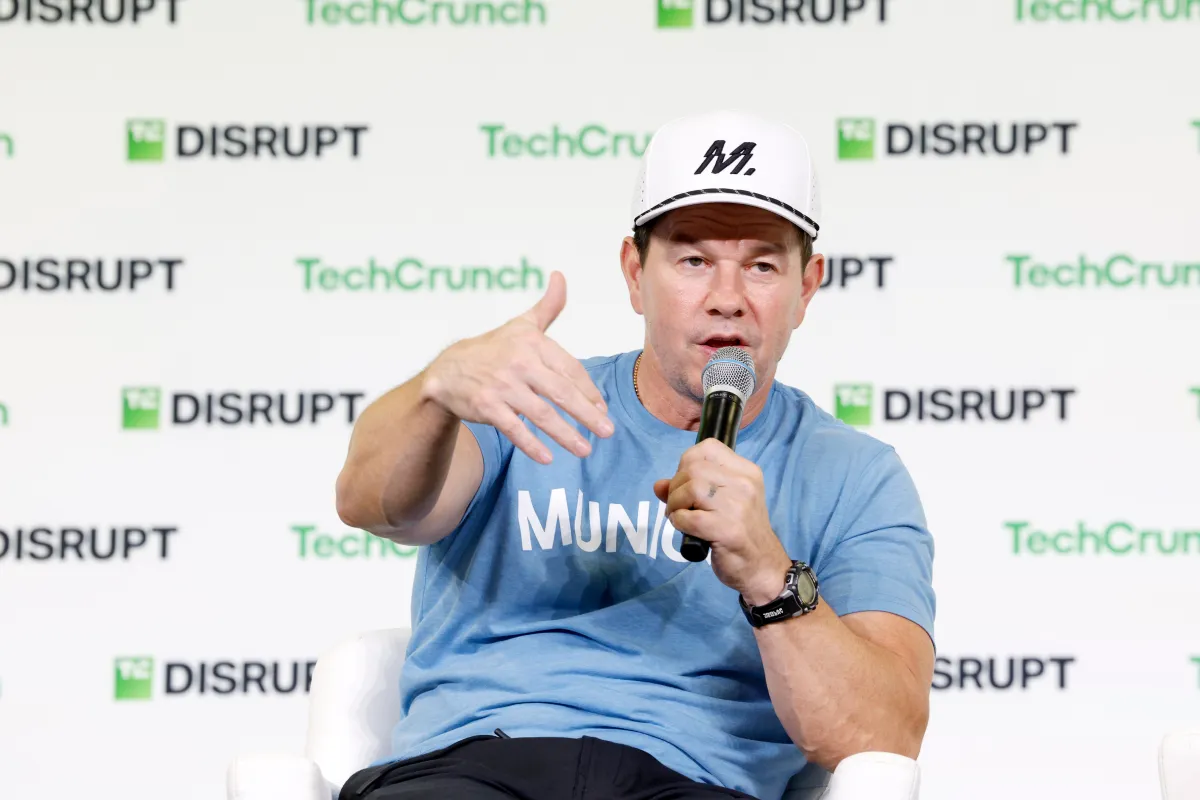
At TechCrunch Disrupt, Mark Wahlberg said he may use AI to enhance the stadium setting in his upcoming Pete Ro…
The government's "Principles Code", published Aug 25, 2026, requires AI developers and providers to disclose m…
A network of AI-generated models is using comics' material to funnel views to their OnlyFans and Fanvue accoun…

TOPPAN Holdings and Keio University ran a quantum-computer and generative-AI proof-of-concept from February 1…
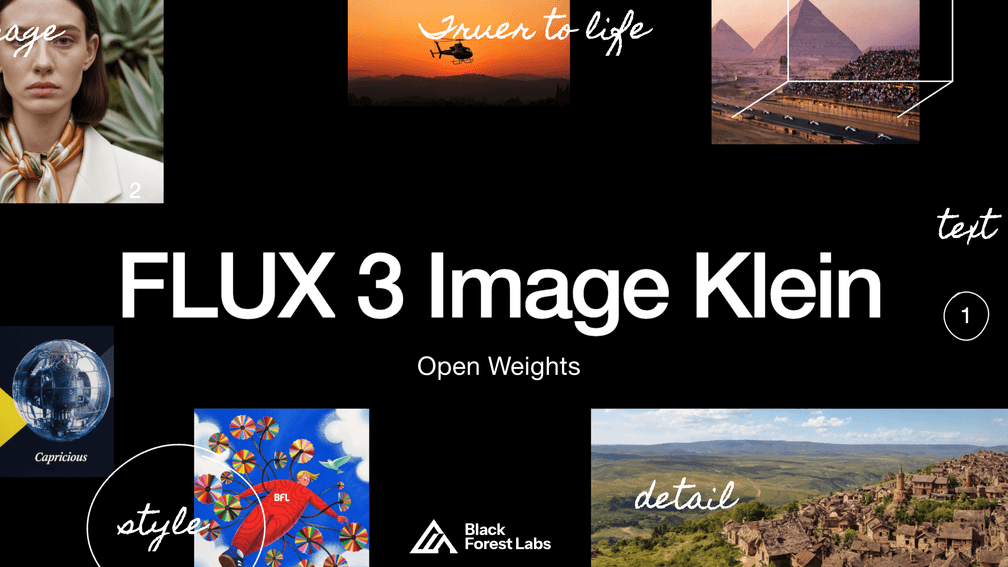
Black Forest Labs released FLUX 3 Image Klein as open weights on October 15, 2026 — a 5.6B-parameter model for…