What happened
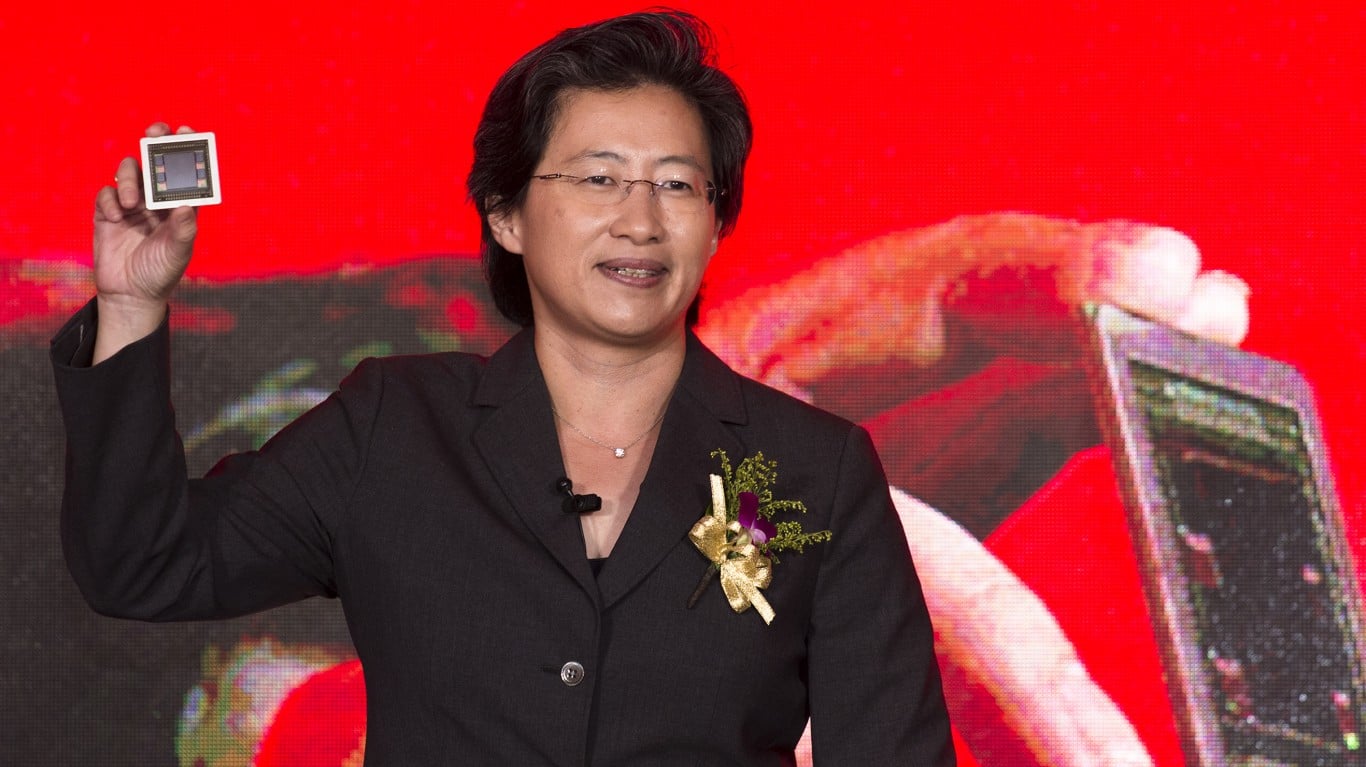
Advanced Micro Devices (AMD) acquired Taalas, a Canadian startup, to strengthen its AI chip capabilities. AMD CEO Lisa Su described Taalas's team as a "phenomenal team working at the bleeding edge of AI inference." The company's technology focuses on programming AI models directly onto silicon itself, rather than relying on general-purpose graphics processors.
Why it matters
Taalas's approach—"building the hardware around the model"—targets memory and power constraints that are slowing AI inference (the step where an AI produces answers). As AI agents scale up, efficiency gains and breaking through these bottlenecks may become more important than raw processing power. For AMD, the acquisition offers a differentiated strategy to close the competitive gap with Nvidia without simply matching its financing-heavy deals.
What to watch
The acquisition signals a shift toward model-specific silicon as a next frontier in AI chips. AMD is betting that custom silicon tailored to particular models will unlock performance gains where general-purpose chips are hitting limits—particularly as companies grapple with memory and energy constraints in deploying next-generation AI systems.
Summaries like this, in your inbox every morning.
AMD's acquisition of Taalas arrives amid a broader wave of consolidation and capital deployment in the AI chip space. Nvidia has been making massive deals at breakneck speed, including backing an OpenAI data center project with $105 billion, which has raised questions about the sustainability and valuation of the sector. Against this backdrop, AMD's move to acquire a smaller, specialized startup reflects a different strategic philosophy: rather than pursuing massive financing arrangements or general-purpose scale, AMD is betting on targeted innovation in a specific problem domain—direct-silicon AI inference.
The significance of Taalas lies in its focus on model-specific silicon. As AI inference workloads scale, memory bandwidth and power consumption have emerged as critical constraints that general-purpose GPUs struggle to address efficiently. By acquiring Taalas and its team's expertise in embedding models directly into silicon, AMD gains access to a differentiated technical approach that could unlock efficiency gains and help it compete on a different axis than Nvidia. AMD's CEO framed this as "building the hardware around the model," suggesting a shift from the traditional paradigm of adapting models to fixed hardware. This strategy may appeal to customers facing real-world constraints in deploying large AI systems, where energy costs and memory bottlenecks are becoming material concerns.
Pick your industry and the AI tools you use, and get news related to your work every day.
Free · 30 seconds with Google · unsubscribe anytimeWhat is AIToday? →
Ask AI anything about this article. The AI reads this article, earlier AIToday articles, and Wikipedia, and cites its sources. Q&As are published on this page for other readers too.
The Motley Fool argues Amazon is the AI company of the two, since AWS was just 21% of first-half 2026 revenue…

Hewlett Packard Enterprise stock is down 5% at $55.87
Vercel data published Thursday shows TypeSafe AI's Jev, a lightweight decision model for choosing among predet…
Chunghwa Telecom president Rong-shy Lin said the shift from conversational AI to autonomous AI agents is resha…

CoreWeave fell 5% in premarket trading Friday and was on track to finish the week down 15%, after rebounding f…
Apple and Meta said they would jointly release a new open-weight AI model designed to run on high-end Macs, ai…


