What happened
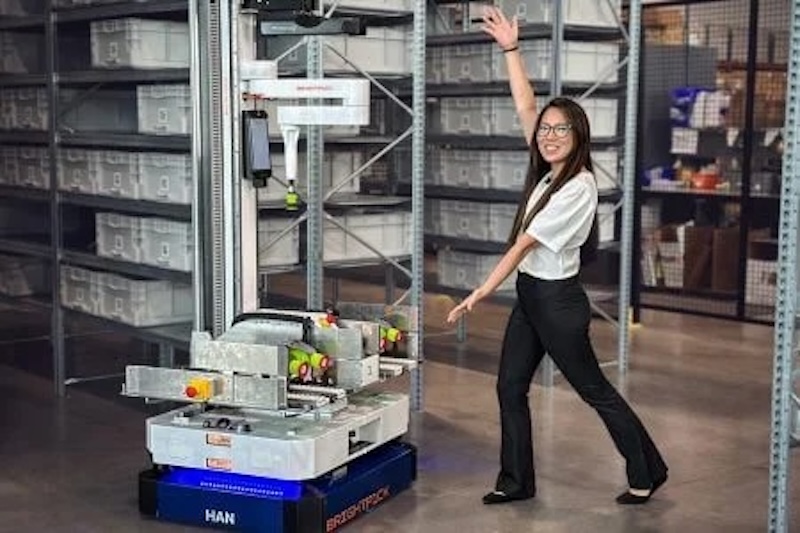
Brightpick will deploy 44 additional Autopicker autonomous mobile robots across facilities in the Czech Republic and Slovakia for Dr. Max Group, Europe's largest pharmacy chain. The expansion follows successful operations at the Prague distribution center, where 30 robots currently operate; total deployment will reach 74 units by the end of this year.
Why it matters
The Prague warehouse now processes up to 20,000 items daily with a 95 percent reduction in manual picking labor, a 40 percent increase in warehouse capacity, and practical elimination of picking errors. For pharmacy and e-commerce logistics operators, this demonstrates that autonomous systems can handle both high-volume replenishment and dynamic order fulfillment while freeing human workers for higher-skill tasks like quality control.
What to watch
Two new projects—Viapharma Ostrava (22 robots for hospital and pharmacy stock replenishment) and Dr. Max Bratislava (22 robots for e-commerce order processing)—will be completed in the second half of this year. The rollout shows how the system scales without requiring structural warehouse modifications.
Summaries like this, in your inbox every morning.
Brightpick's expansion with Dr. Max Group represents a validation of autonomous warehouse systems in a highly regulated, accuracy-critical sector. Pharmacy logistics demands uncompromising accuracy, speed, and strict adherence to standards—constraints that make it a harder test case than many retail or general e-commerce applications. The Prague pilot, which began in late 2023 with nine robots and scaled to 30 over three years, delivered measurable results: the warehouse now processes up to 20,000 items daily, achieved a 95 percent reduction in manual picking labor, and increased capacity by 40 percent while virtually eliminating picking errors. This success directly enabled the decision to roll out 44 additional robots across two new sites by end of year.
The expansion is significant because it shows both the scalability of the technology and the business case for adoption. Rather than replacing workers outright, the deployment freed human staff to move into higher-skill roles like quality control—a pattern that may reduce labor resistance and make the technology easier to implement in other regulated industries. The Prague facility's ability to handle both high-volume replenishment for hospitals and pharmacies and the dynamic, time-sensitive demands of e-commerce order fulfillment suggests the Autopicker's versatility extends beyond a single use case, which could broaden its addressable market.
Pick your industry and the AI tools you use, and get news related to your work every day.
Free · 30 seconds with Google · unsubscribe anytimeWhat is AIToday? →
Ask AI anything about this article. The AI reads this article, earlier AIToday articles, and Wikipedia, and cites its sources. Q&As are published on this page for other readers too.
Skild AI used Nvidia Isaac Sim to give its S1 model one objective — score a goal — and let it compete against…
Yamazaki Mazak and ABEJA said on the 16th they will start joint development of physical AI, using ABEJA's ABEJ…
Toyota Motor's Japan Mobility Show Bizweek 2026 booth centers on its AI basketball robot CUE7, has no other ex…
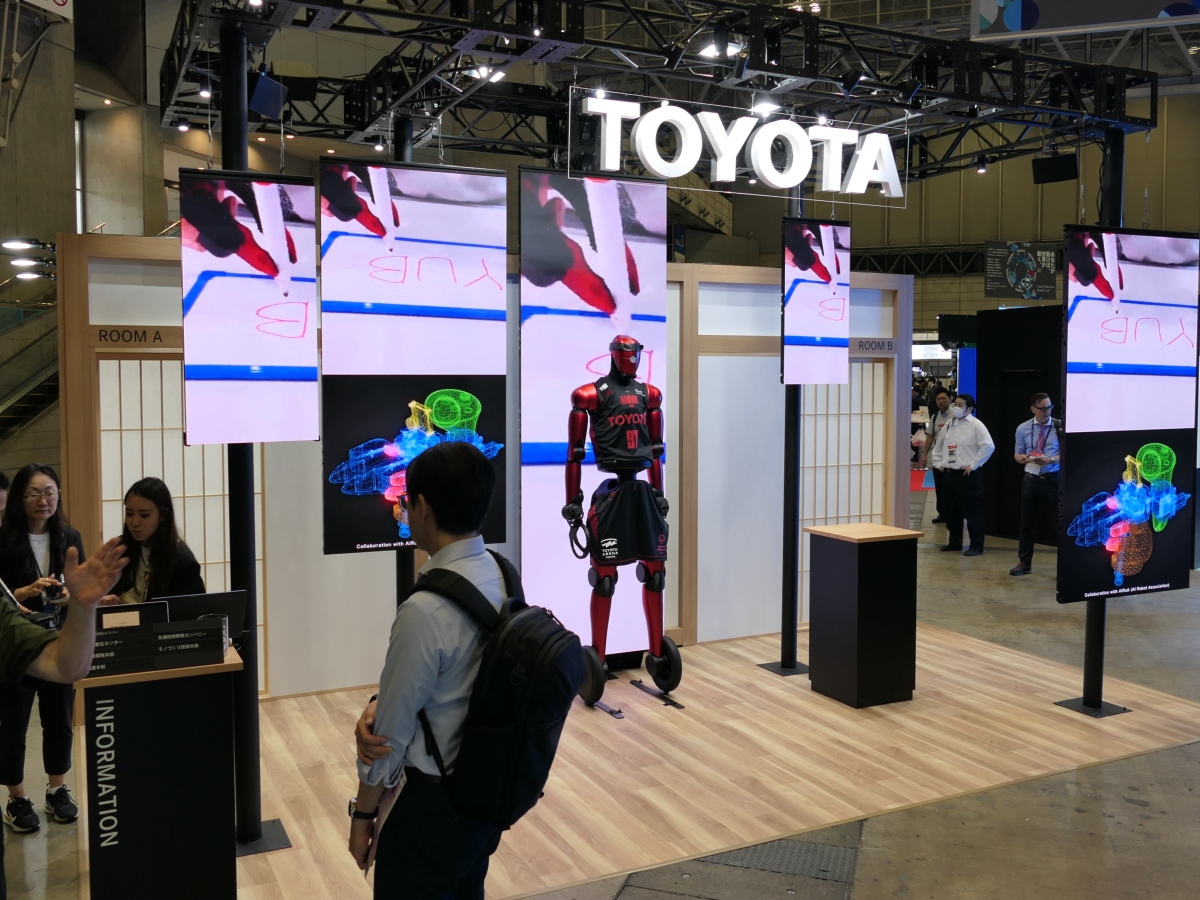
Japan Mobility Show Bizweek 2026 showcased Physical AI applications, including Toyota's basketball-playing rob…
Google pitched Gemini 4 Argon as one model for robot control, simulation and training-data review, saying it s…
Researcher Sammy Azdoufal discovered Energize Lab's Eiliko robot stores 13 million conversations from 68,000 t…