What happened
AWS announced an integration where Amazon Quick, an agentic AI workspace, connects to fal's generative media platform via Model Context Protocol (MCP). This enables creators to run workflows like an eight-panel storyboard or a music-video concept within one interactive session.
Why it matters
Creative teams face demand that exceeds capacity—78% of creative leaders report this—and faster generation alone doesn't solve workflow fragmentation. The integration retains context across steps, adds human approval gates, and packages repeatable processes as shareable Skills.
What to watch
The setup requires a fal account and API key, plus permission to add a remote MCP connector in Amazon Quick. The storyboard workflow uses FLUX.1 Kontext for reference-guided panel generation.
Summaries like this, in your inbox every morning.
This integration addresses a pain point many creative teams face: juggling fragmented tools and manual handoffs. By using Amazon Quick as the orchestrator and fal as the media generation backbone, the solution centralizes the creative process. The MCP standard is key here, as it provides a consistent interface between the agent workspace and fal's vast model library of over 1,000 models. This means teams can switch between image, video, and audio tasks without leaving the conversation.
The emphasis on 'Skills' is another notable element. By capturing validated workflows as shareable Skills, teams can standardize their creative process. This is significant because it moves beyond one-off generation to repeatable, quality-controlled pipelines. The storyboard example shows how planning, character approval, and reference-guided generation can be codified, reducing the risk of context loss and ensuring brand consistency.
While the post is a technical walkthrough, its implication for business is clear: the potential to cut down on production cycles. The traditional storyboard process described takes a week, but the agentic loop compresses that into a single session. However, the actual time savings would depend on the team's familiarity with the tools and the complexity of the project. The integration is available now for those with access to Amazon Quick and fal.
Pick your industry and the AI tools you use, and get news related to your work every day.
Free · 30 seconds with Google · unsubscribe anytimeWhat is AIToday? →
Ask AI anything about this article. The AI reads this article, earlier AIToday articles, and Wikipedia, and cites its sources. Q&As are published on this page for other readers too.
In Q2, billionaires or their funds sold six 'Magnificent Seven' AI stocks
Nvidia was rising early Friday, even as the wider chip sector kept falling, Barron's reported

ElevenLabs completed a $300 million employee tender at a $22 billion valuation, and co-founder Mati Staniszews…
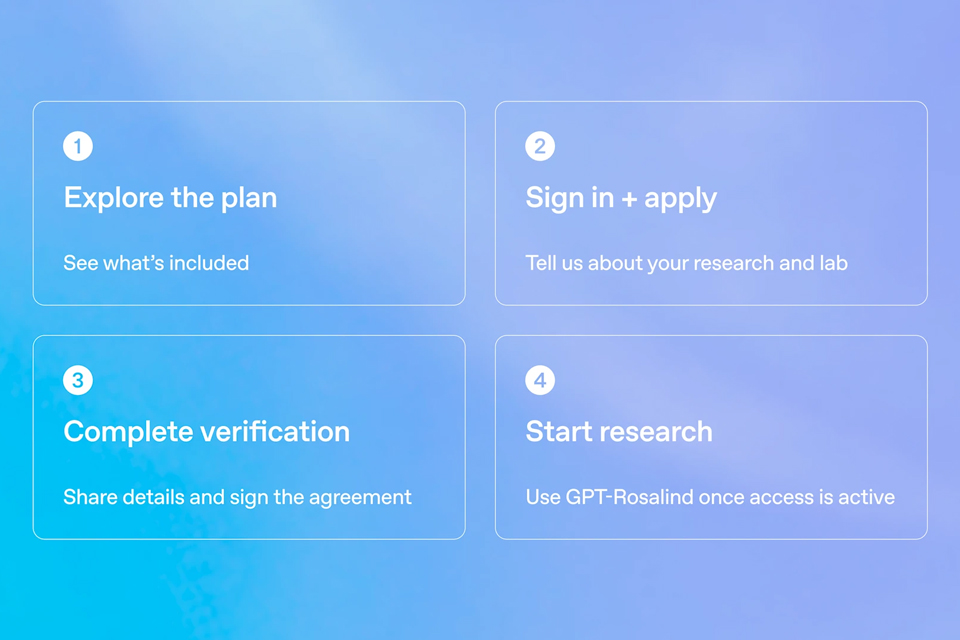
On October 15, OpenAI announced the Rosalind Academic Plan, giving approved US university labs free access to…
Neostellar Capital principal Evan Schlossman said CoreWeave's $103.7 billion in remaining performance obligati…
Supermicro Computer appointed Mark Long as chief financial officer, bringing an experienced technology finance…