Summaries like this, in your inbox every morning.
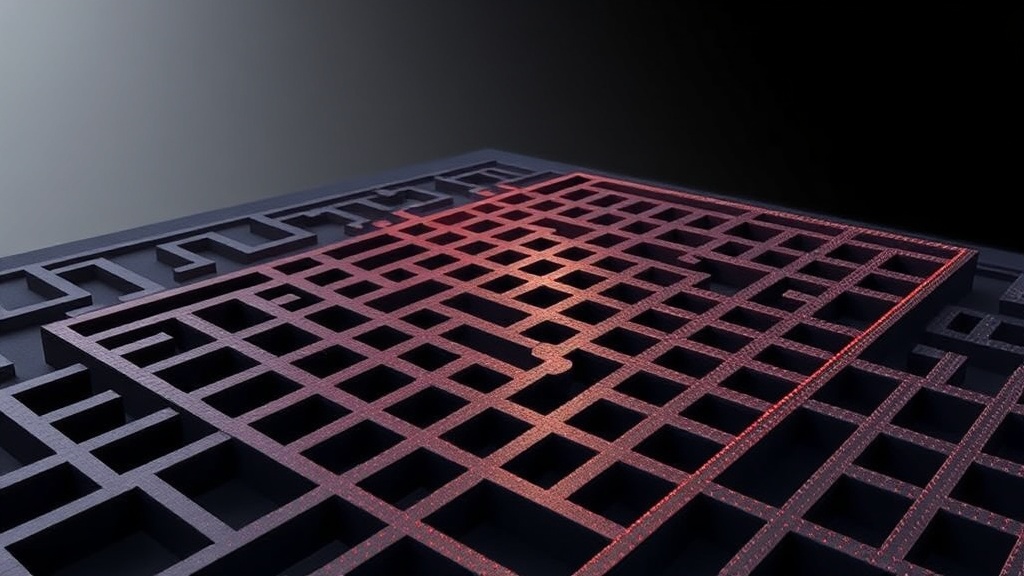
Sign up free →MazeBench benchmark tested 16 model configurations from OpenAI, Anthropic, Google, and Alibaba on 110 procedurally generated mazes, with GPT-5.4 achieving 91% and Gemini 3.1 Pro at 79%
Models consume 1,710-22,818 tokens per maze solve—a task humans complete quickly—using a two-stage strategy of image-to-grid translation followed by breadth-first search in text
Without reasoning budget constraints, all model configurations score only 2-12% accuracy; on ultra-hard 20×20 mazes, models hit token limits and fail entirely
Claude Sonnet 4.6 performance jumps from 6% on maze images to 80% when provided pre-converted text grids, revealing models lack genuine visual planning capabilities
No comments yet. Be the first to share your thoughts!
Log in to join the discussion

Get curated AI news from 200+ sources delivered daily to your inbox. Free to use.
Get Started FreeFree · takes 30 seconds · unsubscribe anytime
1 minute a day. The AI essentials.
200+ sources · Email / LINE / Slack
