
What happened
MIT FutureTech tested six OpenAI model generations released between December 2024 and April 2026 on 254 theoretical questions; full-marks answers rose from 7 to 88, hit rate from 2.8 percent to 34.6 percent, and cost per full-marks answer fell from roughly $170 to $15.
Why it matters
Cheaper theoretical reasoning could let scientists work outside their specialties and pursue questions previously too costly to attempt, though the study notes a plausible answer is not new scientific knowledge and costs exclude human labor and verification.
WHO IT HITSResearch scientists and lab managers across mathematics, physics and economics may find theoretical work that once required specialist expertise and large compute budgets becomes affordable to attempt, though verification labor still falls on human researchers.
Summaries like this, every morning.
The MIT FutureTech study puts numbers on a shift that has been hard to pin down: how fast AI is getting at theoretical reasoning, and at what price. Six OpenAI model generations released between December 2024 and April 2026 were given identical questions, with the original papers and the internet withheld — a setup that tests reasoning rather than retrieval. Full marks went from 7 of 254 questions to 88, and the computing cost of a full-marks answer dropped roughly elevenfold, from about $170 to $15.
The authors — Gabriel Manso, Claudio Mayrink Verdun and Neil Thompson — frame the consequence in terms of who can afford to ask. Falling costs could open advanced theoretical methods to scientists working outside their traditional areas of expertise, and could make previously prohibitive questions worth pursuing. The gains were not confined to one discipline; all seven fields improved.
The paper is careful about what this does not show. Producing a plausible theoretical answer is not the same as establishing new scientific knowledge, grading leaned heavily on AI with limited independent mathematical review, and the cost figures exclude human labor and verification. The researchers suggest that as reasoning gets cheaper, identifying worthwhile questions, testing results and fitting findings into existing knowledge could become the tighter constraints on progress — a shift in how research is organized, not just how fast it moves.
Pick your industry and the AI tools you use, and get news related to your work every day.
Free · 30 seconds with Google · unsubscribe anytimeWhat is AIToday? →
Ask AI anything about this article. The AI reads this article, earlier AIToday articles, and Wikipedia, and cites its sources. Q&As are published on this page for other readers too.
Medium is launching TK, an AI-powered minimalist note-taking, journaling and private social networking app wit…

Meta introduced specialized models trained with its new "Muse Wonder" model for Muse and Meta AI, lifting Muse…
Zyphra released the beta of MAIA, an AI agent designed for teams, not individuals

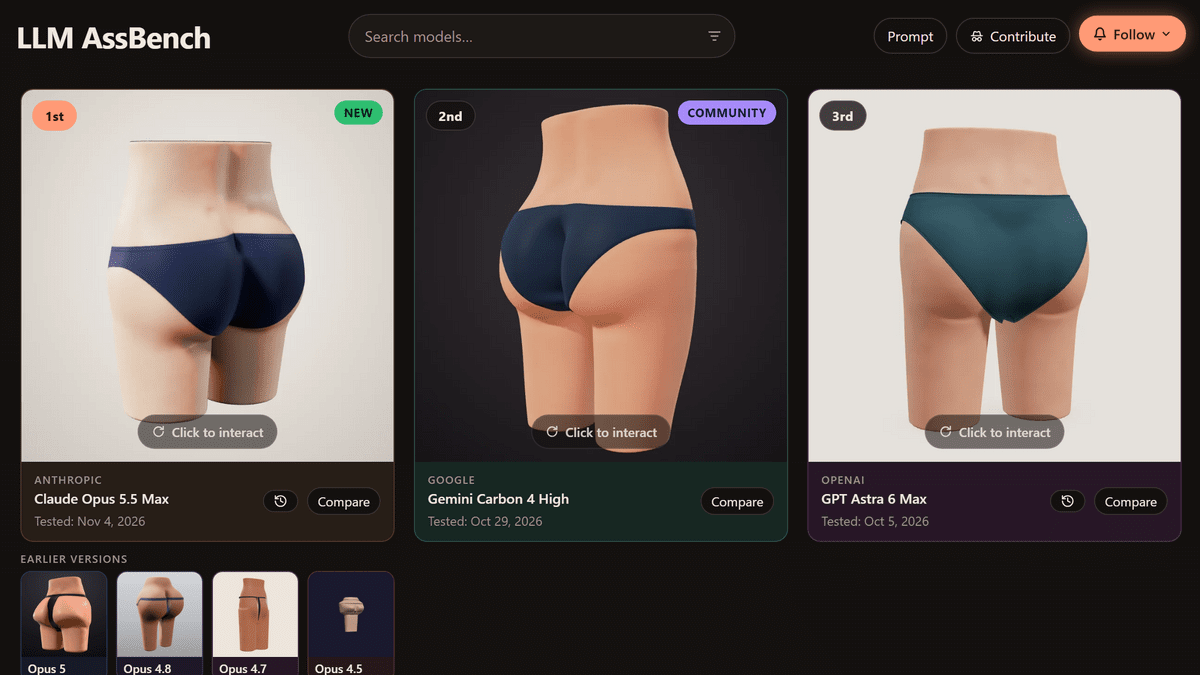
Developer Luigi released LLM AssBench in September 2026; AIs must build a rotatable, clickable 3D buttocks mod…
The Japan Foundation, asked by the Ministry of Foreign Affairs and backed by next fiscal year's budget, will d…

SHL's June–July survey found 19.1% of U.S