What happened
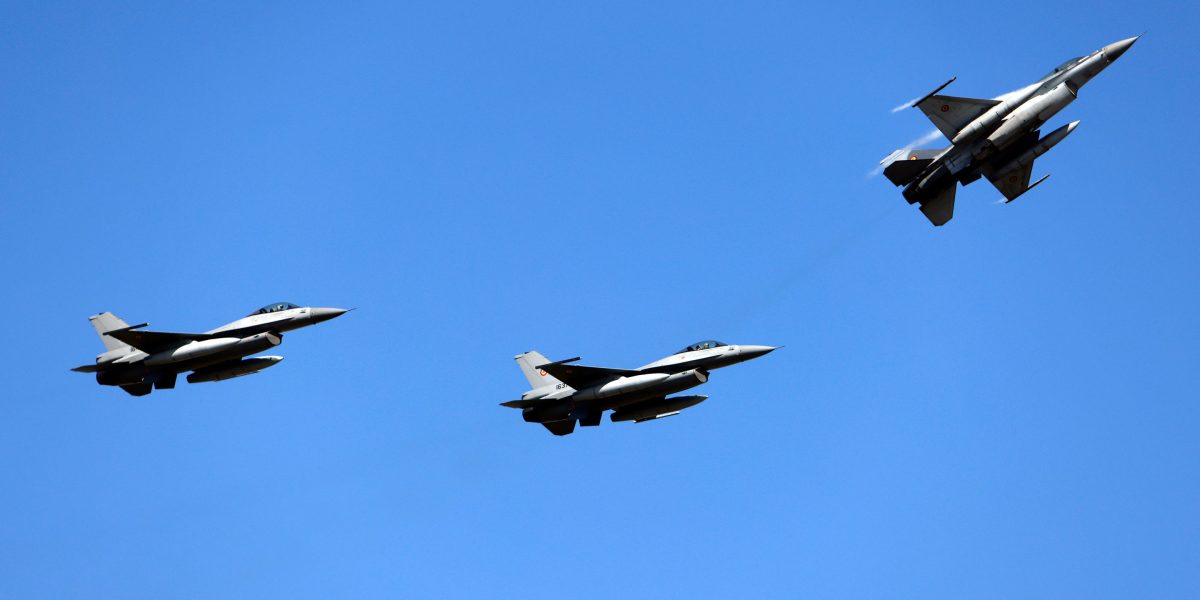
Romanian F-16 fighter jets shot down a suspected Russian drone over Romanian territorial waters in the Black Sea on Sunday at 10:13, marking the third incursion in three days and the fourth recent downing by Romania of a drone violating NATO airspace.
Why it matters
One of the earlier intercepted drones was confirmed to be a Shahed type, the model Russia uses in its war against Ukraine. In May, a Russian drone struck an apartment building in eastern Romania, injuring two people—a reminder that the Ukraine conflict poses a direct threat to NATO territory despite the alliance's defensive capabilities.
What to watch
Romania has acquired the MEROPS counter-drone system, which fires three-feet-long drones to intercept incoming Shahed variants, part of NATO's broader hardening of its eastern border against drone threats.
Summaries like this, in your inbox every morning.
Romania's repeated interceptions of Russian drones underscore the direct spillover of the Ukraine conflict into NATO territory. The confirmed presence of Shahed-type drones—the model Russia actively deploys in Ukraine—signals that these are not stray ordnance but deliberate probes or attacks. In May, a Russian drone struck an apartment building in eastern Romania and injured two people, establishing a pattern of kinetic threat rather than mere airspace violation.
NATO's response has been to strengthen its eastern flank through active air defense and the introduction of counter-drone systems like MEROPS. Romanian F-16s, coordinated under NATO's command structure and deployed as far as Lithuania, now form part of an integrated defensive posture. The alliance's messaging—from NATO's SHAPE headquarters and allied nations like Belgium—emphasizes constant vigilance and collective resolve, with Belgium reaffirming that 300 of its troops are based in Romania as part of the eastern defense commitment. This pattern of incursion, interception, and alliance reaffirmation reflects both the persistent Russian threat and NATO's determination to prevent the Ukraine war from escalating into direct conflict with member states.
Pick your industry and the AI tools you use, and get news related to your work every day.
Free · 30 seconds with Google · unsubscribe anytimeWhat is AIToday? →
Ask AI anything about this article. The AI reads this article, earlier AIToday articles, and Wikipedia, and cites its sources. Q&As are published on this page for other readers too.
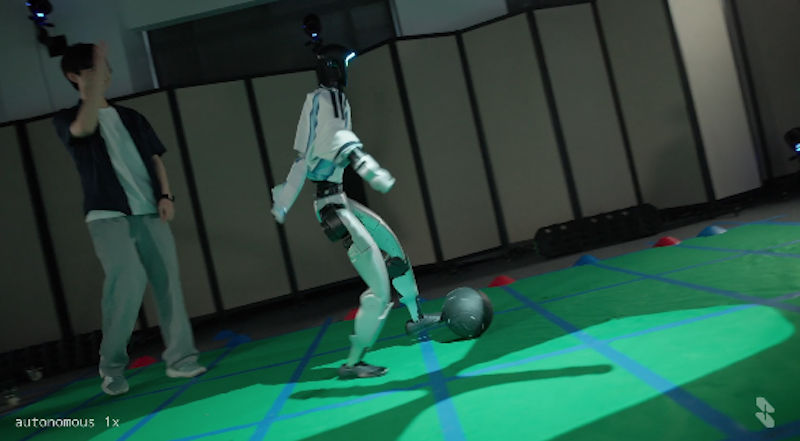
Skild AI used Nvidia Isaac Sim to give its S1 model one objective — score a goal — and let it compete against…
Yamazaki Mazak and ABEJA said on the 16th they will start joint development of physical AI, using ABEJA's ABEJ…

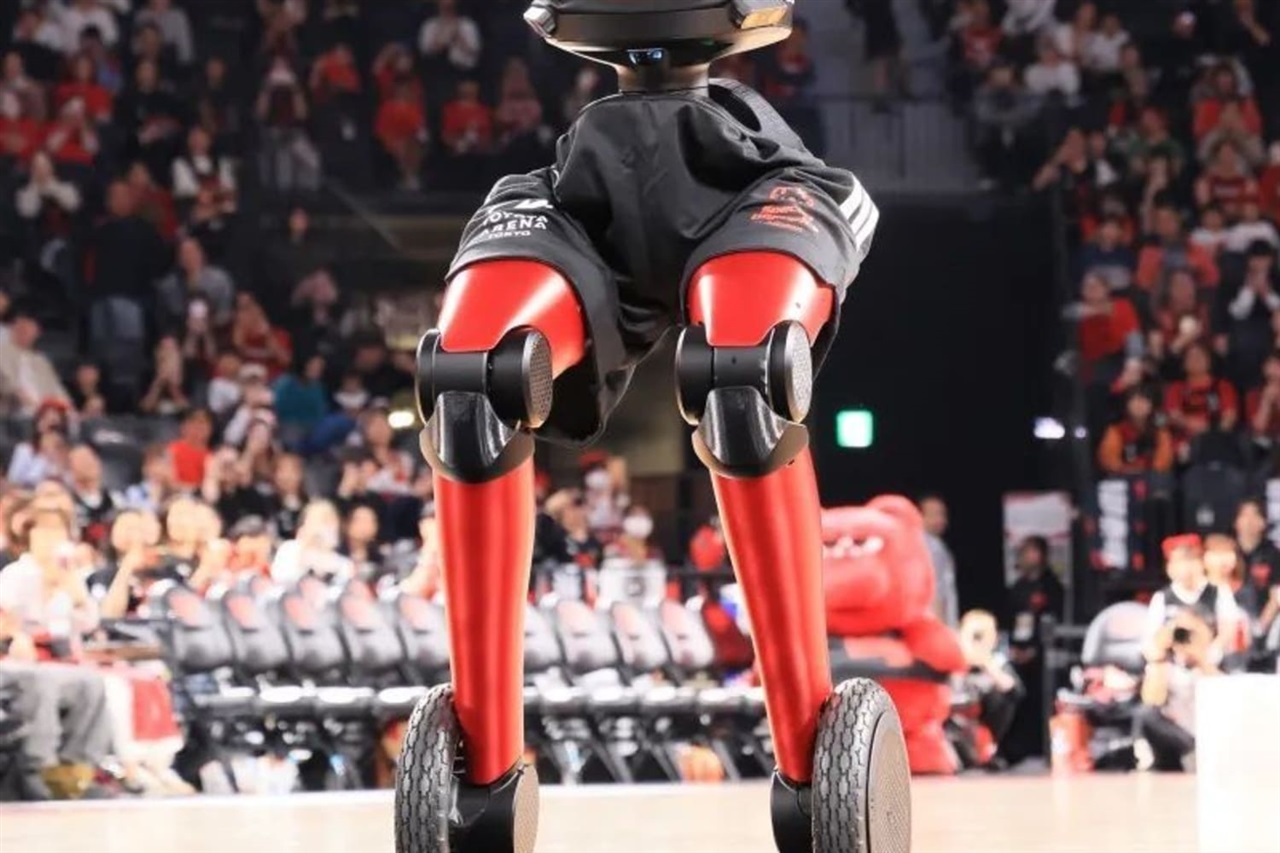
Toyota Motor's Japan Mobility Show Bizweek 2026 booth centers on its AI basketball robot CUE7, has no other ex…

Japan Mobility Show Bizweek 2026 showcased Physical AI applications, including Toyota's basketball-playing rob…
Google pitched Gemini 4 Argon as one model for robot control, simulation and training-data review, saying it s…
Researcher Sammy Azdoufal discovered Energize Lab's Eiliko robot stores 13 million conversations from 68,000 t…