
What happened
OpenAI's quarter-on-quarter sales growth decelerated to 18%, while the company's losses deepened. Meanwhile, rival Anthropic's annualized revenue topped $65 billion—more than 50% above OpenAI's and up more than sevenfold from the end of last year, according to Bloomberg.
Why it matters
Both firms are preparing for major IPOs, but the diverging growth trajectories raise questions about OpenAI's competitive position. Chinese competitors are offering models that are only marginally less advanced at significantly lower prices, creating a price war that pressures margins for U.S.-based labs.
What to watch
The slowdown in OpenAI's growth and widening losses come as the company approaches what is expected to be one of the biggest IPOs ever. Investors will be watching whether OpenAI can reignite growth and address profitability before going public.
Summaries like this, in your inbox every morning.
OpenAI's deceleration in quarterly sales growth to 18%, coupled with deepening losses, signals a slowdown in momentum at a critical moment. The company's trajectory stands in sharp contrast to Anthropic's reported annualized revenue of $65 billion—a sevenfold jump from the prior year—which has surpassed OpenAI's own run rate by more than 50%. Both firms are preparing for major public offerings, but the divergence in their financial performance introduces risk for investor confidence in OpenAI's valuation and long-term prospects.
The underlying driver of both companies' margin pressure is clear: a price war with Chinese competitors. These rivals have closed the capability gap significantly—their models are only marginally less advanced than U.S. offerings—while undercutting on price. This dynamic leaves U.S. labs defending premium positioning at the top of the market while ceding the middle and lower tiers, according to an expert cited by the Financial Times. For OpenAI, which relies on pricing power to offset its high research and infrastructure costs, the combination of slower growth, deeper losses, and margin compression from Chinese competition creates a difficult narrative for an upcoming IPO.
Pick your industry and the AI tools you use, and get news related to your work every day.
Free · 30 seconds with Google · unsubscribe anytimeWhat is AIToday? →
Ask AI anything about this article. The AI reads this article, earlier AIToday articles, and Wikipedia, and cites its sources. Q&As are published on this page for other readers too.
On the September 28 Mad Money episode, Jim Cramer pointed to Advanced Micro Devices' roughly 13% gain the prio…

Cisco Systems appointed industrial AI executive Girish Rishi to its board of directors

CNBC published a piece looking at AI agents like Muse that can shop for consumers, and what that means for ret…

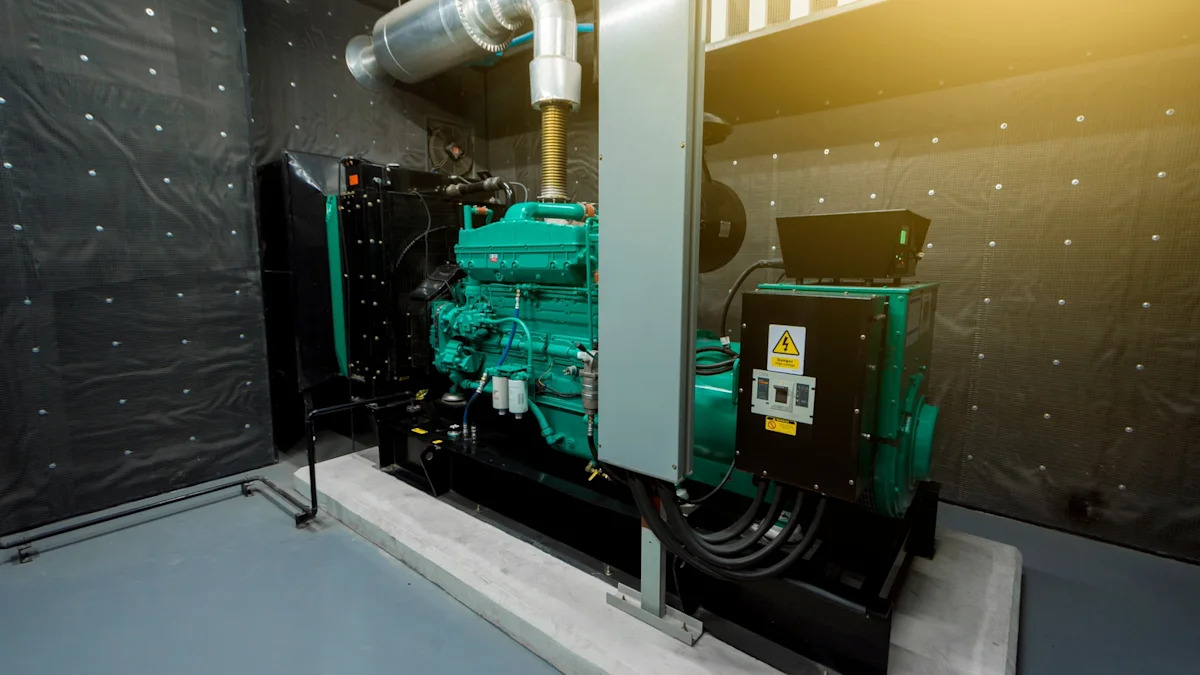
GE Vernova reported AI data center related orders above US$5b in the first half of 2026, more than double its…
Qualcomm's stock rose 40% over the past five years, while Nvidia rallied about 1,000% and Broadcom 630%, yet Q…

In a recent Bloomberg TV interview, JPMorgan Chase CEO Jamie Dimon said cyber risks "went up 10-fold after Myt…