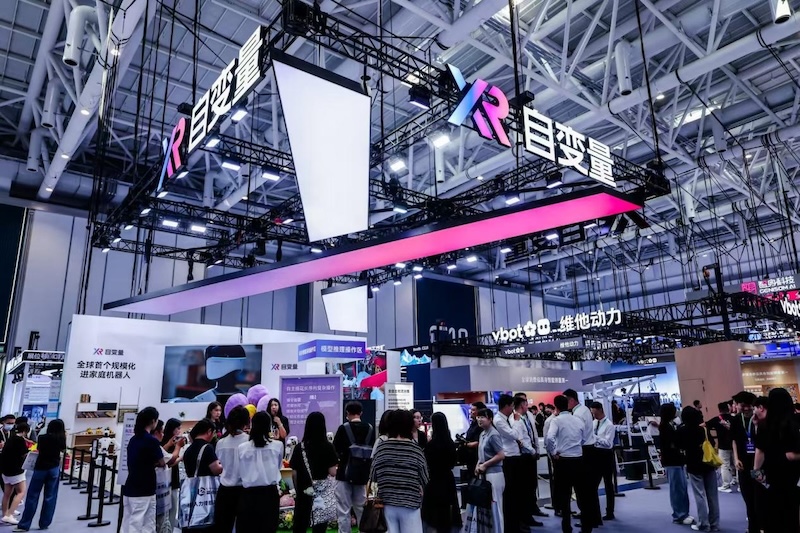
What happened
X Square Robot is exhibiting its full embodied AI portfolio at the World Robot Conference 2026 in Beijing (August 19–23) at booth C107, featuring its WALL-B foundation model, robotic hardware, and data-collection platform. The company recently livestreamed a logistics demonstration in which its system processed 1,816 parcels with reported accuracy exceeding 98 percent.
Why it matters
The demonstrations connect embodied AI across three distinct domains—industrial logistics, dexterous manipulation (flower-arranging, fan disassembly), and household robotics—to show that a single foundation-model approach can adapt to different physical systems and environments rather than requiring a single universal robot form. This challenges the assumption that humanoid robots are the only viable path to general-purpose robotics.
What to watch
The logistics results (1,816 parcels per hour, approximately 45 percent above the company's 1,248-parcel-per-hour target) drew direct comparison to Figure AI's 200-hour humanoid demonstration, raising a broader industry question about which robot architecture makes commercial sense when considering purchase cost, operation, and maintenance.
Summaries like this, in your inbox every morning.
X Square Robot's WRC 2026 portfolio demonstrates a strategic shift in how the robotics industry approaches embodied AI: rather than designing a single universal platform, the company is building foundation models and data infrastructure that scale across purpose-built hardware for different tasks. The logistics livestream—processing 1,816 parcels per hour with over 98 percent accuracy—became a focal point because it invited direct comparison to Figure AI's much longer 200-hour humanoid demonstration, which achieved a comparable sustained hourly rate of 1,248 parcels per hour. However, the two systems are fundamentally different: Figure deployed a complete humanoid robot over extended endurance testing, while X Square Robot used stationary robotic arms optimized for parcel induction. Industry observers quoted in the body note that the real differentiator is not speed alone but adaptability under real-world conditions—overlapping parcels, deformable packaging, label misalignment—combined with the cost and maintainability of each approach.
The three demonstration categories at WRC—logistics with six-axis arms, dexterous manipulation with five-finger hands (flower-arranging, fan disassembly), and domestic tasks in a home environment—illustrate X Square Robot's thesis that embodied intelligence is not form-dependent. Each domain presents distinct challenges: industrial workstations offer controlled conditions, while homes demand perception and adaptability as humans and objects move unpredictably. Underlying all three is the QUANXTA Zero data infrastructure, which attempts to make training-data collection scalable by allowing operators to demonstrate tasks in body-free hardware (wearable sensors and grippers) rather than on robots themselves, then combining those demonstrations with real-robot samples for model training. This approach treats data collection as a reusable asset pipeline rather than a one-off per-task effort.
Pick your industry and the AI tools you use, and get news related to your work every day.
Free · 30 seconds with Google · unsubscribe anytimeWhat is AIToday? →
Ask AI anything about this article. The AI reads this article, earlier AIToday articles, and Wikipedia, and cites its sources. Q&As are published on this page for other readers too.
Toyota Motor's Japan Mobility Show Bizweek 2026 booth centers on its AI basketball robot CUE7, has no other ex…
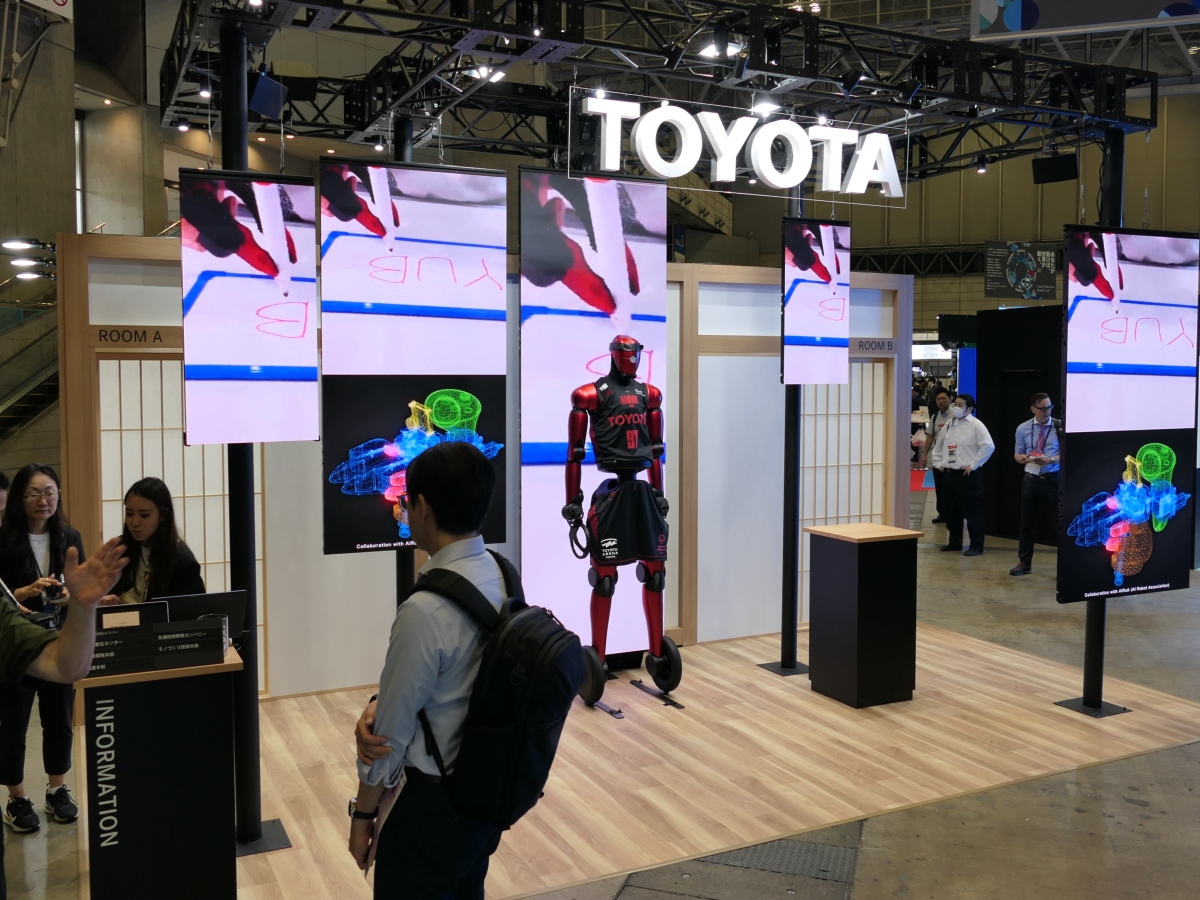
Japan Mobility Show Bizweek 2026 showcased Physical AI applications, including Toyota's basketball-playing rob…
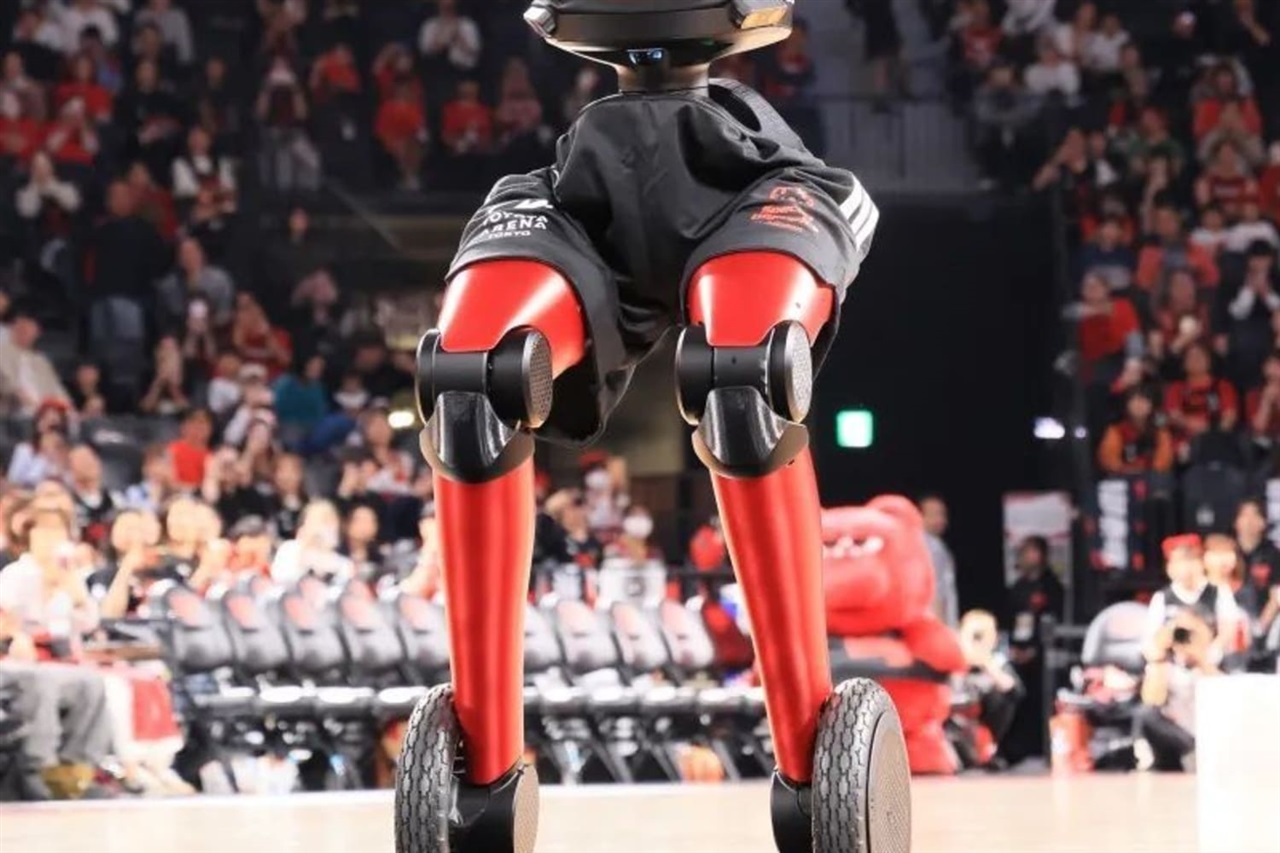
Google pitched Gemini 4 Argon as one model for robot control, simulation and training-data review, saying it s…
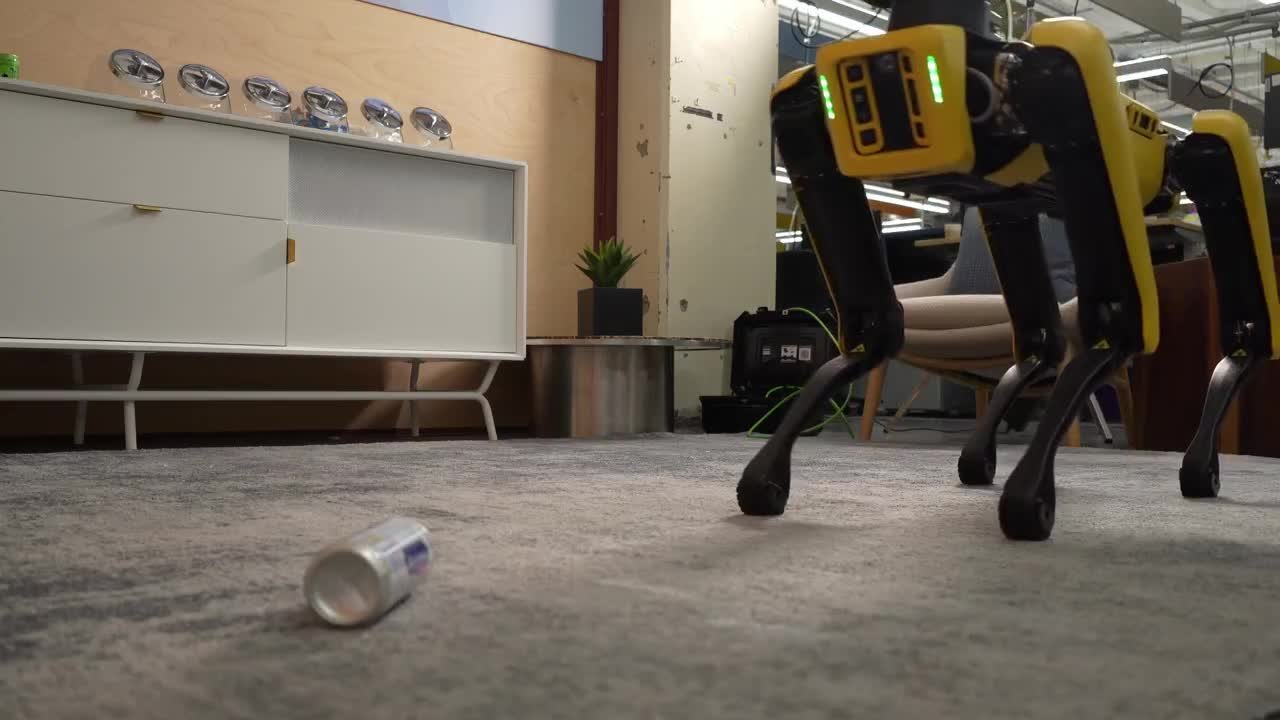
Researcher Sammy Azdoufal discovered Energize Lab's Eiliko robot stores 13 million conversations from 68,000 t…
ZOZO NEXT and AVITA signed an MOU on joint research into textiles and clothing specialized for humanoid robots…

Day 2 at TechCrunch Disrupt 2026 in San Francisco's Moscone West features speakers from Nvidia, Waabi, Flock S…