Summaries like this, in your inbox every morning.
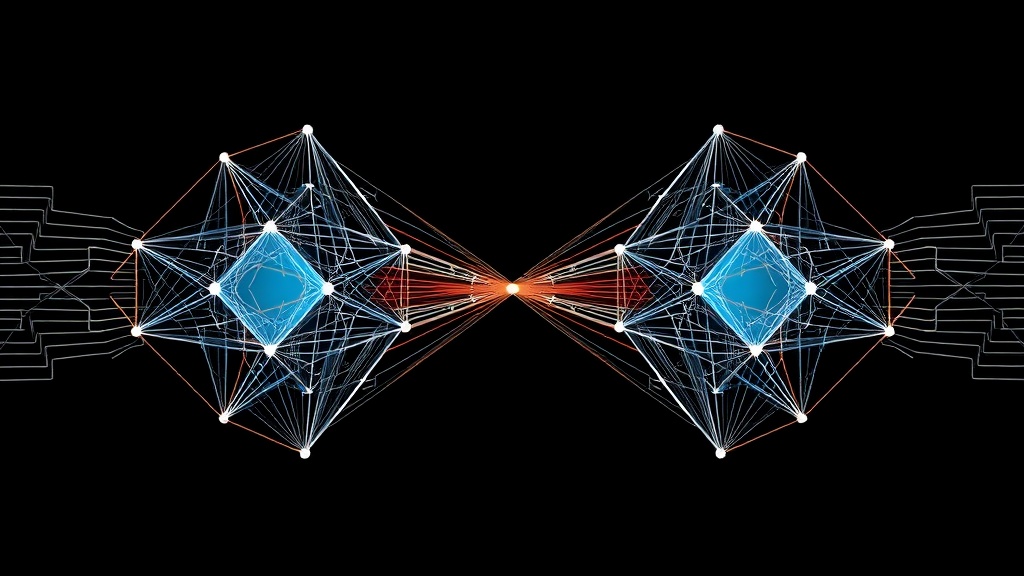
Sign up free →Vision-Language Models like CLIP suffer from a 'modality gap' where image and text representations remain geometrically separated, limiting tasks like image captioning and joint clustering
Researchers decomposed the gap into two components: Centroid Gap and Distribution Gap, proving the Distribution Gap is the true predictor of cross-modal task quality (R² = 0.986)
Existing post-processing approaches only reduce the centroid offset while leaving the underlying distributional mismatch intact, making them insufficient
The team proposes TPC-CMA (Three-Phase Curriculum for Cross-Modal Alignment), a new fine-tuning framework designed to explicitly reduce both gap components
No comments yet. Be the first to share your thoughts!
Log in to join the discussion

Get curated AI news from 200+ sources delivered daily to your inbox. Free to use.
Get Started FreeFree · takes 30 seconds · unsubscribe anytime
1 minute a day. The AI essentials.
200+ sources · Email / LINE / Slack
