Researchers at an unnamed institution published ARMove, a new system that uses LLMs (AI models trained on text) to forecast human movement patterns — where someone will travel, which route they'll take, or which location they'll visit next. Unlike existing prediction systems that hide their reasoning, ARMove shows its work step-by-step, making it easier to audit whether predictions are trustworthy or biased.
ARMove learns from four types of information at once: general knowledge about how people move, details specific to individual users, regional differences in travel behavior, and new data that arrives over time. The system automatically reweights which information matters most for each prediction, so a forecast for a commuter in Tokyo adapts differently than one for a rural farmer—without requiring separate models for each group.
City planners, transit agencies, and logistics companies can now deploy a single prediction model across different regions without retraining from scratch, saving months of data collection and tuning. Researchers claim the interpretable reasoning also helps compliance teams at ride-sharing or delivery apps explain to regulators why they're predicting a user will be in a certain place at a certain time.
Ask the AI about this article →
For example, today's edition would include:
AI-summarized, only the topics you pick — one digest a day via Email, Slack, or Discord.
Free · takes 30 seconds · unsubscribe anytimeWhat is AIToday? →
Ask AI anything about this article. Q&As are published on this page for other readers too.
Meta released Muse Spark 1.3, which per AAII is now the #3 model in the world
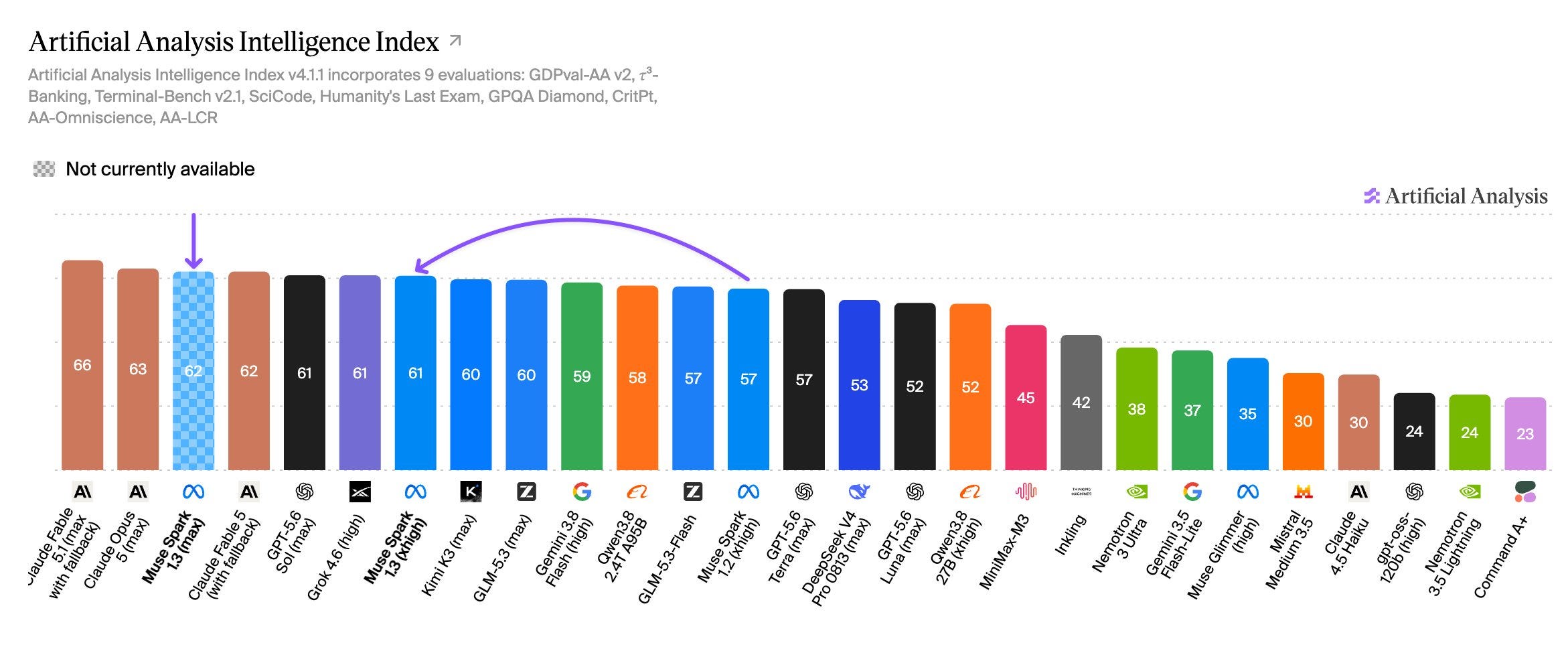
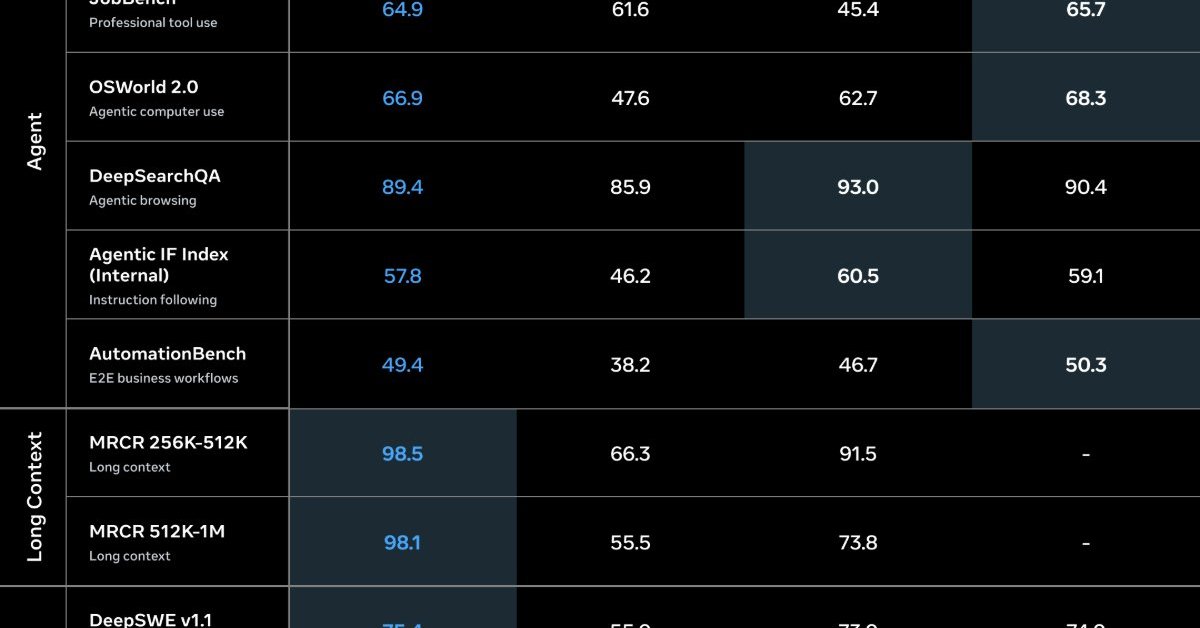
Meta announced Muse Spark 1.3 on September 2 and started offering it to developers through Muse Code and the M…
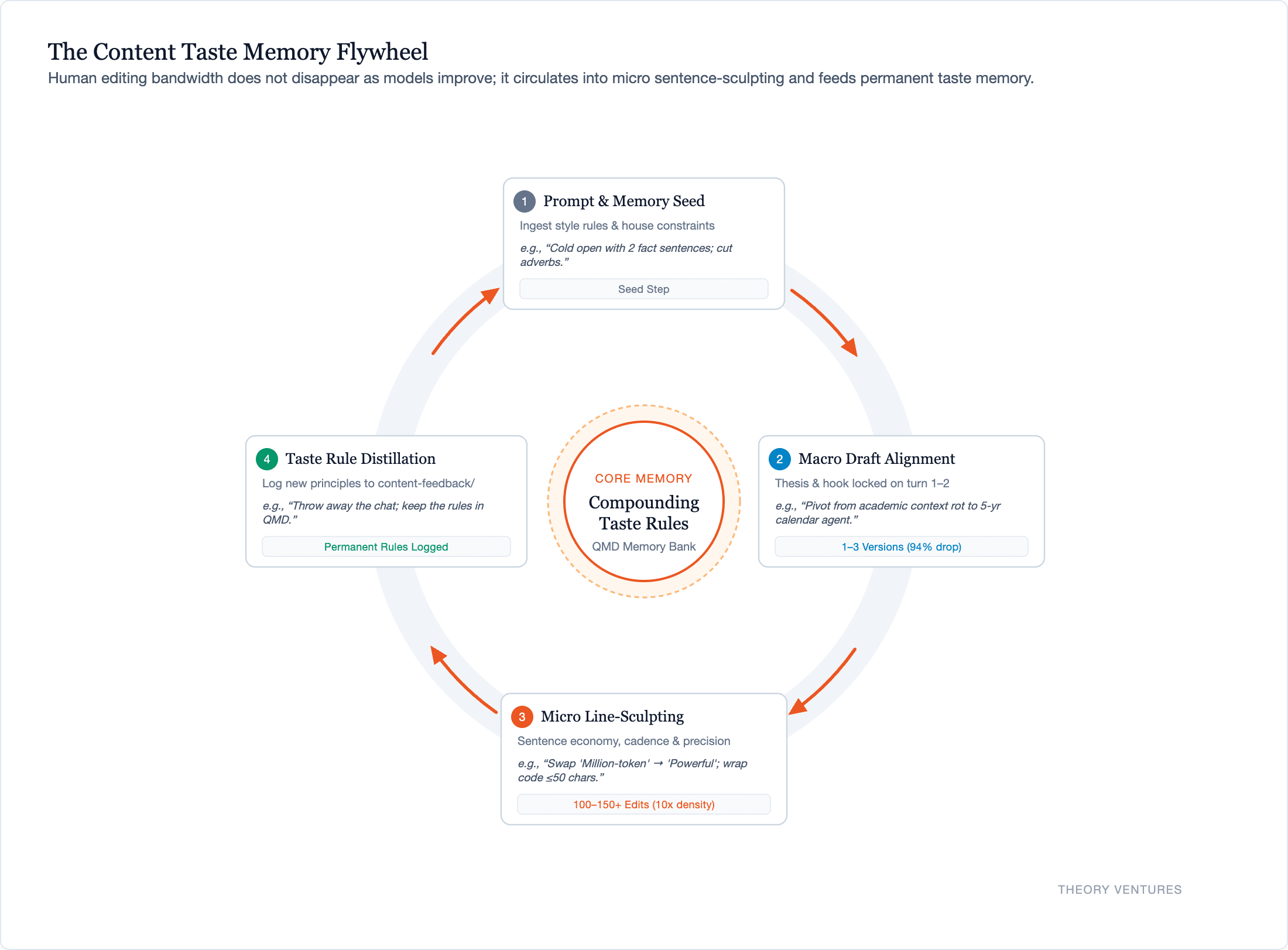
The author tested AI writing tools over three years and found AI automates mechanical tasks but does not reduc…
Anthropic's latest model, Claude Fable 5.1, is now available in private preview on Snowflake Cortex AI, with s…

The Trump administration, through the US Department of Justice, filed a brief on September 1 in a New York fed…

Meta told workers this week that performance reviews will no longer depend on how much they used AI tools