What happened
Osaurus, an MIT-licensed application, launched version 0.22.22 today. It runs open-source AI models directly on your Mac using Apple Silicon, keeping all data local. Users can add ChatGPT, Claude, or Gemini when needed while maintaining a shared memory across all models.
Why it matters
Most AI tools send user input to remote servers, creating privacy and data security concerns. Osaurus addresses this by keeping conversations, code, and files entirely on your machine—your data never leaves unless you explicitly choose to send it to a paid service. The app works offline and does not collect analytics, making it valuable for users handling sensitive information or working in environments without reliable connectivity.
What to watch
Osaurus requires Apple Silicon and macOS 15.5 or later. The software is open-source (MIT licensed), built in public, and available for download; users can read, fork, and ship the code with their own projects. The app supports autonomous agents with voice control, folder watchers, and browser plugins, not just chat.
Summaries like this, in your inbox every morning.
Osaurus addresses a growing concern in the AI landscape: the tension between convenience and privacy. While most AI tools funnel user input to remote servers for processing—a model that enables powerful services but raises data security and compliance questions—Osaurus inverts that dynamic by keeping models and computation local to the user's machine. This design philosophy is particularly relevant for users handling sensitive code, proprietary documents, or personal information, as well as those working in environments where cloud connectivity is unreliable or restricted.
The application's architecture allows users to opt into cloud services selectively. Rather than forcing an all-or-nothing choice between privacy and capability, Osaurus lets users run local open models (which are free and transparent) for routine tasks while maintaining the ability to call ChatGPT, Claude, or Gemini for specific jobs that might benefit from those services' scale or training. By sharing memory across all integrated models, the tool preserves context and continuity—a practical advantage over switching between separate tools. The MIT license and public-source commitment signal that the creators are betting on user trust and long-term adoption through openness, not vendor lock-in.
Pick your industry and the AI tools you use, and get news related to your work every day.
Free · 30 seconds with Google · unsubscribe anytimeWhat is AIToday? →
Ask AI anything about this article. The AI reads this article, earlier AIToday articles, and Wikipedia, and cites its sources. Q&As are published on this page for other readers too.
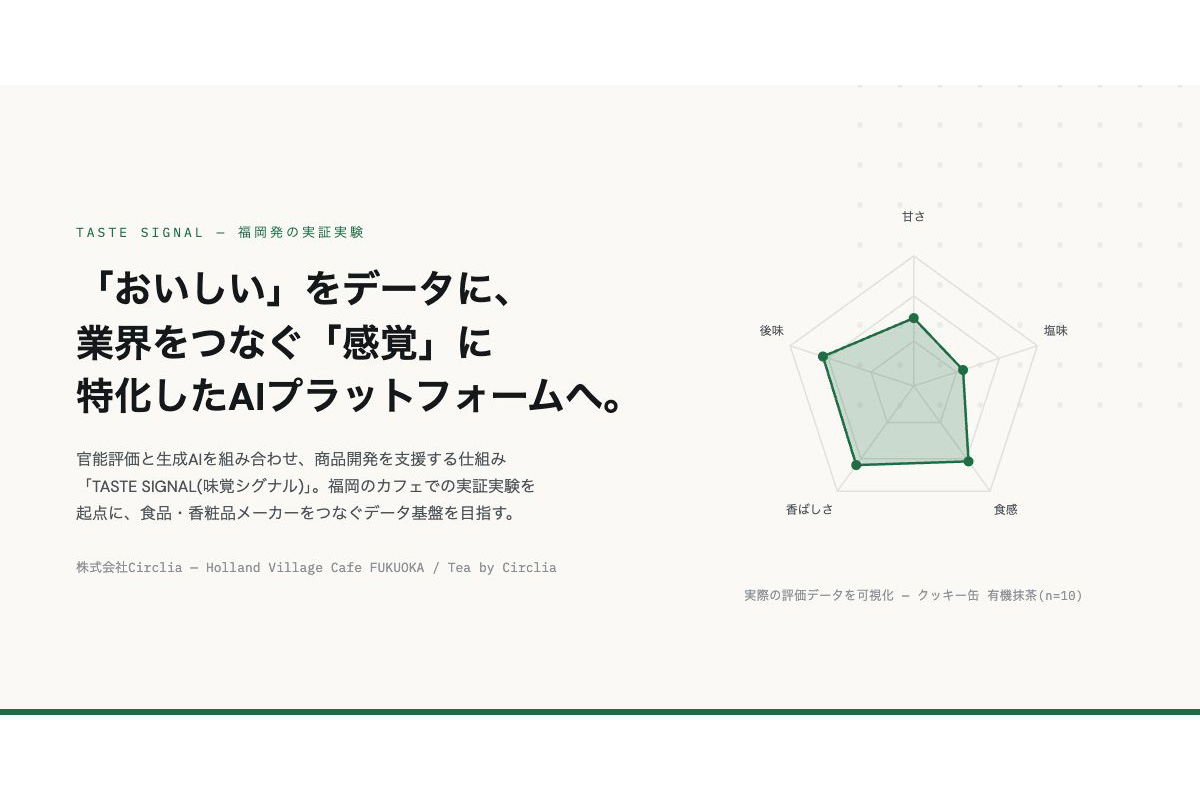
Circlia started a proof-of-concept for TASTE SIGNAL: visitors to Holland Village Cafe FUKUOKA taste cookies an…
In a webinar hosted by French Mathematical Society president Isabelle Gallagher, Fields Medal winner Hugo Dumi…

NVIDIA released Nemotron 3.5 Super VL, an open-weight model with 120 billion parameters that handles text, ima…
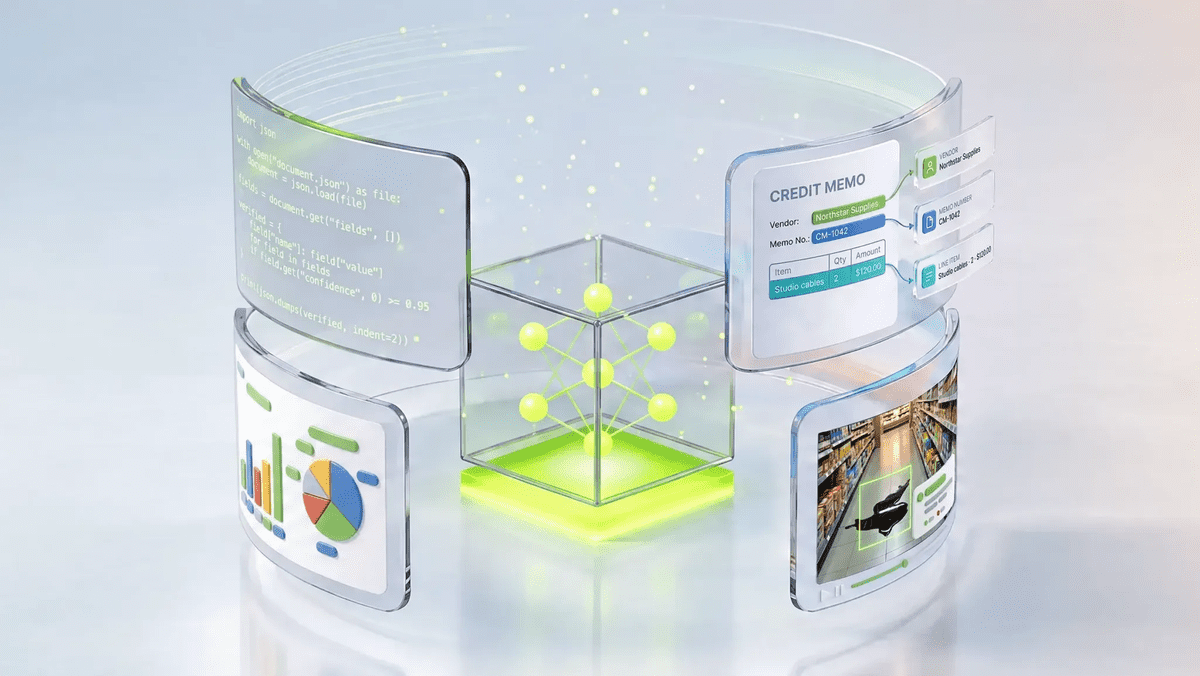
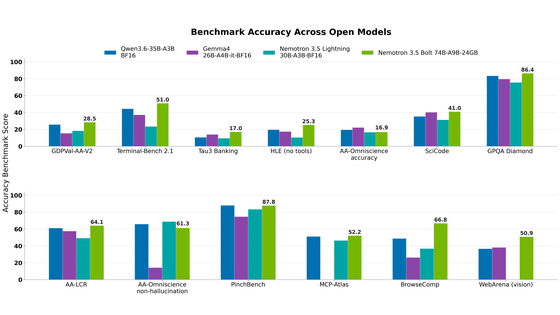
NVIDIA released Nemotron 3.5 Bolt 74B-A9B 24GB, an AI model for local agents that hits over 80 tokens per seco…
Anthropic said on October 15 it has started giving METR's six staff company devices, office space and access t…
NVIDIA published a blog post titled "AI Security Is an Engineering Problem - How to Solve It at Every Layer of…