
What happened
The New York Times and other publishers filed a joint summary judgment brief citing internal OpenAI and Microsoft messages, including Microsoft's Brent Hecht calling the practice "an astonishing theft of unprecedented proportions."
Why it matters
The plaintiffs argue these admissions undercut the fair use defense, since defendants' own people described the products as substitutive and the copying as hard to justify, making the legal argument harder to sustain.
What to watch
The court will weigh the four fair use factors and the requested per-article statutory damages, with OpenAI and Microsoft expected to respond soon; watch whether the judge accepts that each article counts as a separate work.
WHO IT HITSPublishers and news organizations weighing licensing deals with AI companies are watching closely, since the outcome could shape whether AI training on their content requires payment. OpenAI and Microsoft face potential billions in damages if the fair use defense fails.
Summaries like this, in your inbox every morning.
The filing stems from a consolidated multidistrict litigation that began with the New York Times suit in December 2023 and now includes the Daily News group, Ziff Davis, the Center for Investigative Reporting, and The Intercept. The plaintiffs are seeking billions of dollars in damages, and the brief draws on discovery materials that were not previously public.
The internal records describe a business dynamic the plaintiffs say undermines fair use: Microsoft's own data showed click-through rates on Copilot dropped 87 to 93 percent for the Times, while an internal document warned of a "doom loop" threatening the web that supplies AI training content. OpenAI's Nick Turley acknowledged publishers face an "existential threat," and an OpenAI engineer noted users "won't click" links regardless of prominence.
Previous court rulings have leaned toward fair use, and the US Department of Justice under the Trump administration has sided with the AI labs. OpenAI and Microsoft are expected to respond soon, arguing their use is transformative. The test is likely whether the judge treats the internal messages as evidence of market harm or dismisses them as individual opinions, and whether per-article damages are awarded.
For example, today's edition would include:
AI-summarized, only the topics you pick — one digest a day via Email, Slack, or Discord.
Free · 30 seconds with Google · unsubscribe anytimeWhat is AIToday? →
Ask AI anything about this article. Q&As are published on this page for other readers too.
Sam Altman and Elon Musk backed Dario Amodei's call for a slowdown in model releases, while Marc Benioff at Dr…
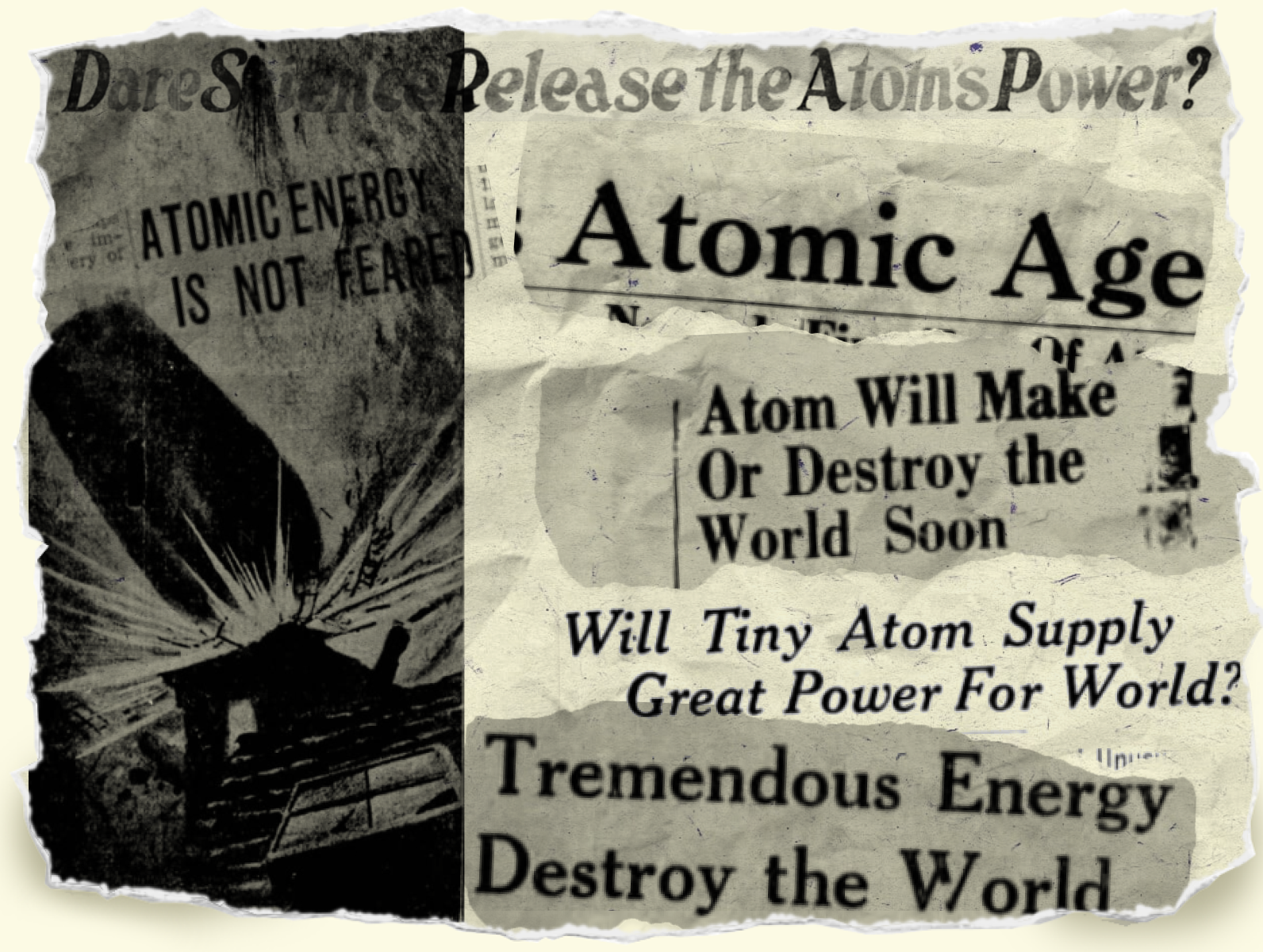
A review of newspaper archives from 1919 to 1945 found striking parallels between early atomic-energy debates…
In the first posts from the new DeepMind Institute, researchers Rohin Shah and Anca Dragan argue visible chain…
Anthropic CEO Dario Amodei wrote that "we still understand a tiny fraction of what goes on inside those models…
Hacktron AI exploited a libheif memory bug and a Discourse flaw to seize OpenAI employee ChatGPT and Codex acc…

Apple researchers introduced Dynamically Scaled Activation Steering (DSAS), which adaptively modulates the str…