What happened
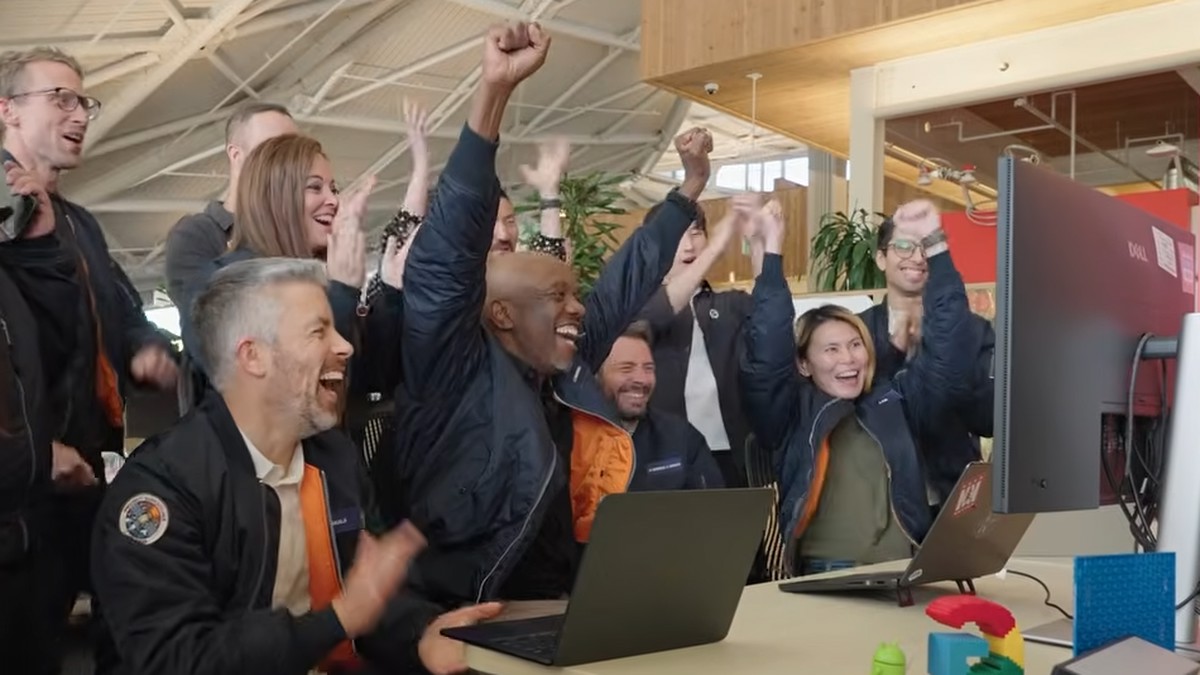
Google said a satellite running its TPU processor received a response from the open model Gemma 4 after a ground station asked it to write a haiku about being in space.
Why it matters
It shows a data-center-class AI chip can execute a model in orbit, which Google is presenting as a world first, though only a single satellite has been tested so far.
WHO IT HITSSatellite operators and space-infrastructure engineers may see a path toward running AI computation on orbit rather than beaming data to ground stations, while Google's own research team evaluates thermal and radiation tolerance.
Summaries like this, every morning.
Project Suncatcher is Google's effort to move AI computation into orbit, and the haiku exchange is its first public demonstration that a model can answer a prompt from space. After launch, the team spent several weeks powering up the host computer and the housing that holds the TPU before running the test. The satellite passed near Svalbard, Norway, when the generated verse came down to the ground station.
The experiment did not stop at one poem. Google says it ran further prompts asking for humorous space-themed fixed-form verse and for reports on the satellite system's technical status. That suggests the company is probing not just whether the model answers, but whether the onboard hardware can be queried like a normal computing node.
The harder questions are physical. Google plans experiments to evaluate thermal stress and radiation tolerance, since space exposes processors to temperature swings and radiation unlike conditions on the ground. Whether AI chips can compute continuously there is central to the idea. A second experiment, planned for 2027, would interconnect two satellites — a step beyond the single-satellite test confirmed here.
Pick your industry and the AI tools you use, and get news related to your work every day.
Free · 30 seconds with Google · unsubscribe anytimeWhat is AIToday? →
Ask AI anything about this article. The AI reads this article, earlier AIToday articles, and Wikipedia, and cites its sources. Q&As are published on this page for other readers too.
Gomumari will start offering its Master Data Management AI Agent on November 2, 2026, at an initial build cost…

Apple outlined plans to charge for heavier use of certain Apple Intelligence features from 2027, with usage ca…
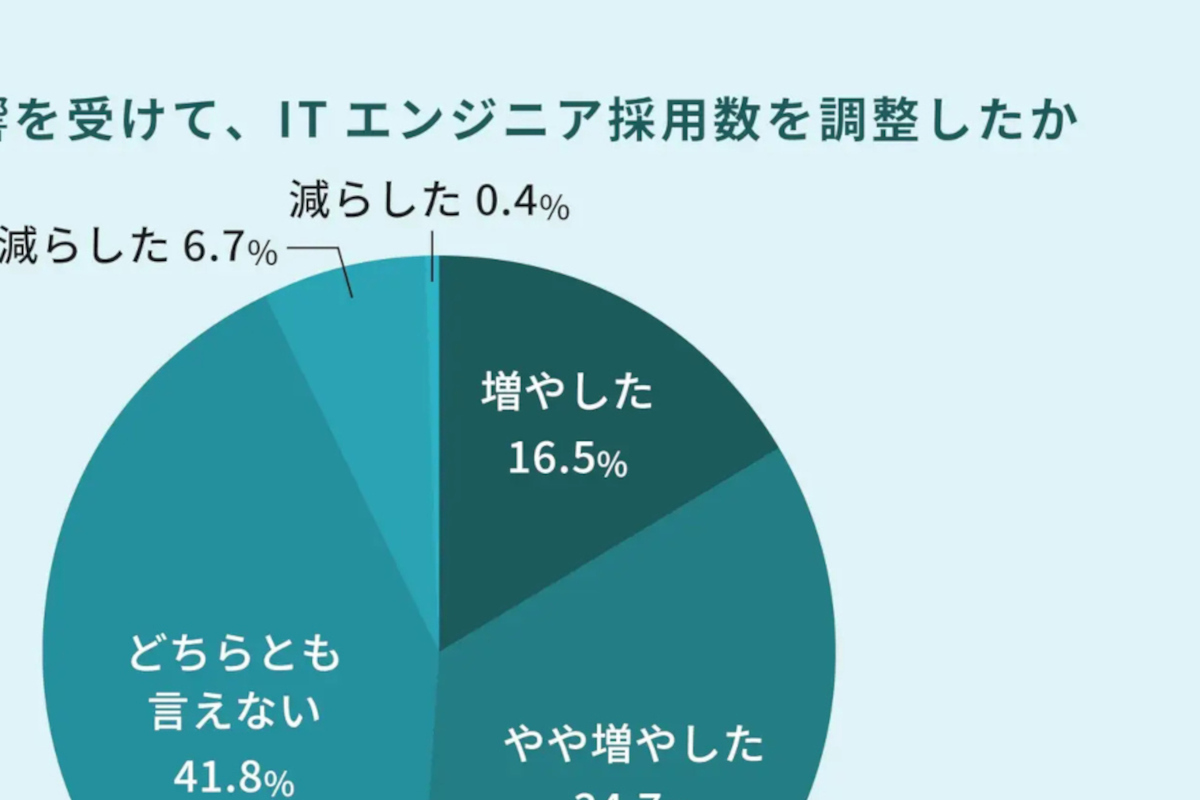
A Dell Technologies survey of 2,950 business and IT decision-makers in 35 countries found 58% of Japanese comp…
CData's guide walks through creating a SELECT-only Snowflake role called claude_role, setting up an OAuth secu…
Oracle announced on Oct 28, 2026 an expanded partnership with OpenAI and a new product lineup spanning four ar…

Mercari's fiscal 2026 June-period earnings material shows all employees were using AI tools by the end of Janu…