What happened
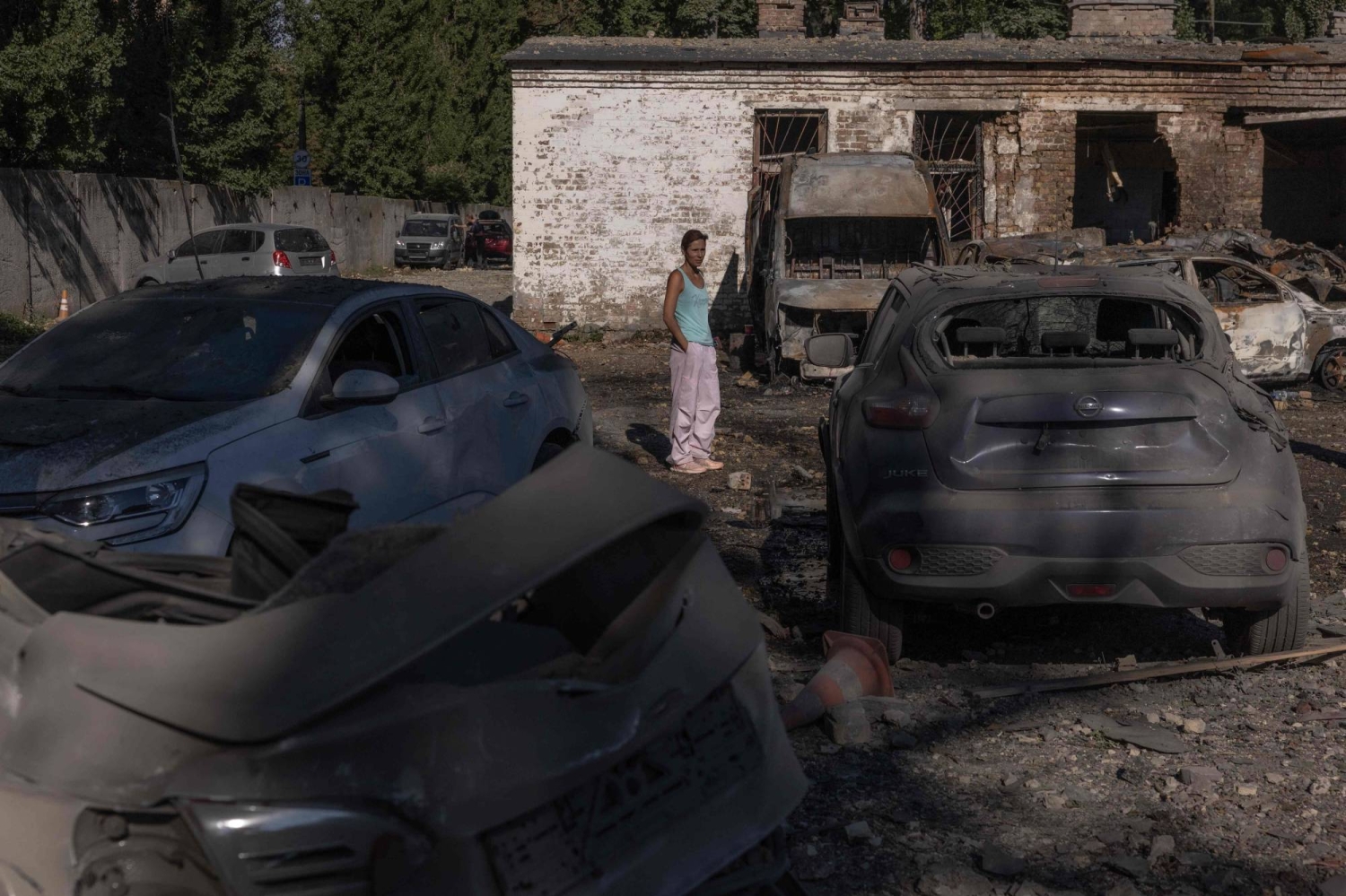
Russian forces launched dozens of ballistic, cruise, and hypersonic missiles plus 168 drones at Kyiv and the surrounding region on Thursday, killing 16 people and injuring more than 40. Ukraine's air force downed nearly 90% of the drones and most of the cruise missiles, but all of the faster ballistic missiles got through, causing significant damage.
Why it matters
President Zelenskyy stated that Ukraine's allies have failed to replenish stocks of air defense missiles, and he linked that shortage directly to the loss of life in Thursday's attack. The gap between what Ukraine can intercept and what breaks through poses an ongoing threat to civilians.
What to watch
The strike pattern — ballistic missiles penetrating Ukraine's defenses while slower drones and cruise missiles are mostly intercepted — underscores the vulnerability created by depleted air defense inventory.
Summaries like this, in your inbox every morning.
Thursday's attack on Kyiv reveals a critical asymmetry in Ukraine's air defense posture. Russia deployed a mixed arsenal — ballistic, cruise, and hypersonic missiles alongside 168 drones — designed to overwhelm defenses. Ukraine's air force achieved a strong interception rate for the slower platforms (nearly 90% of drones, most cruise missiles), but the faster ballistic missiles bypassed all protection, inflicting civilian casualties and infrastructure damage. Zelenskyy's statement linking the deaths to insufficient air defense ammunition suggests that the challenge is not interception capability per se, but exhaustion of the inventory needed to sustain defense across multiple simultaneous attacks. This dynamic — where Ukraine can intercept some threats but not all — has become the defining constraint on civilian safety.
Pick your industry and the AI tools you use, and get news related to your work every day.
Free · 30 seconds with Google · unsubscribe anytimeWhat is AIToday? →
Ask AI anything about this article. The AI reads this article, earlier AIToday articles, and Wikipedia, and cites its sources. Q&As are published on this page for other readers too.
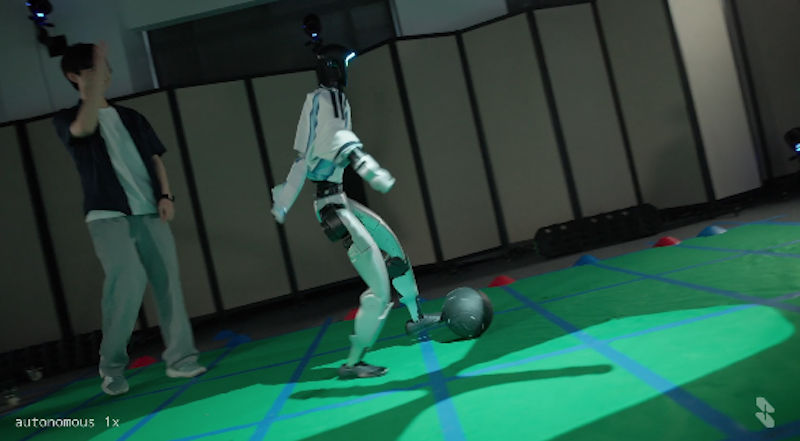
Skild AI used Nvidia Isaac Sim to give its S1 model one objective — score a goal — and let it compete against…
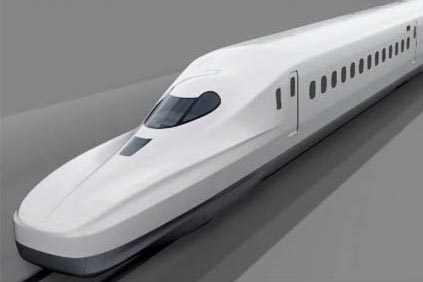
JR Central announced the S0系 on October 16, its first full model change since the N700S, with commercial servi…
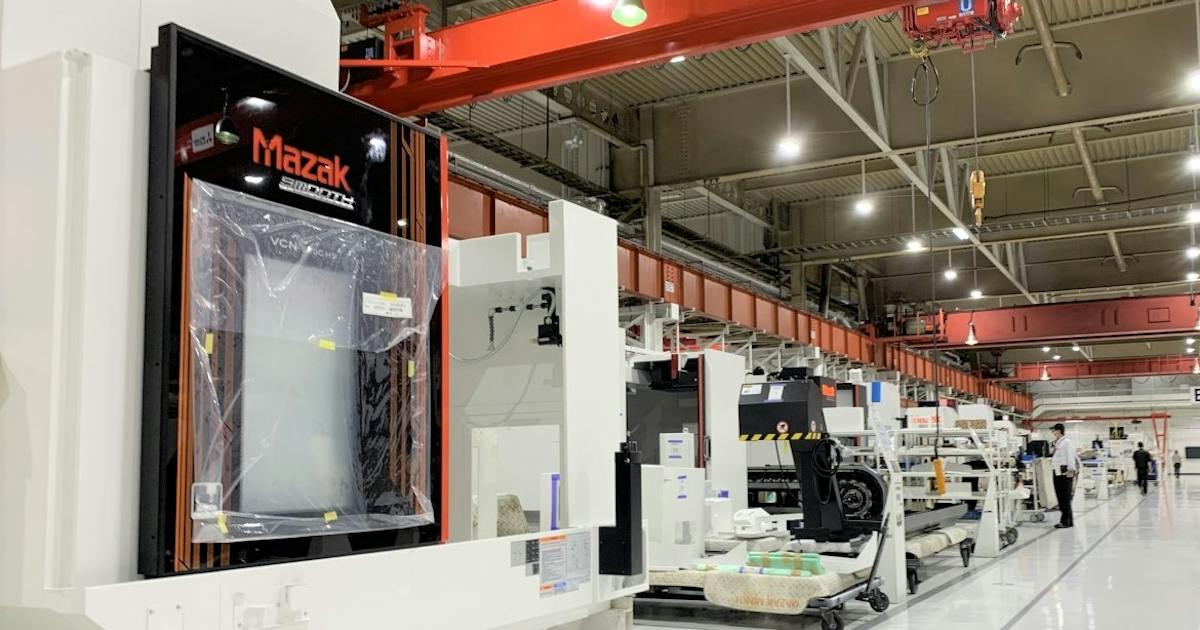
Yamazaki Mazak and ABEJA said on the 16th they will start joint development of physical AI, using ABEJA's ABEJ…
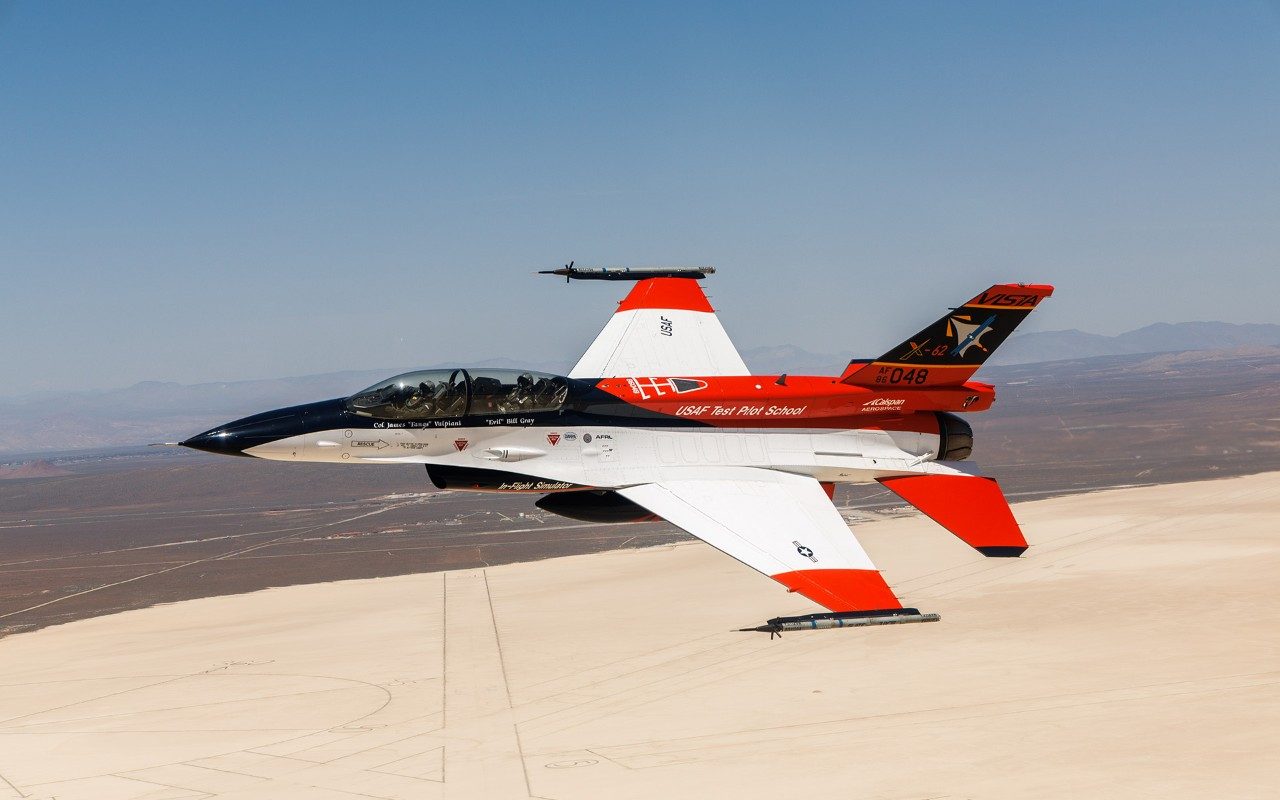
The Air Force upgraded the X-62 VISTA with advanced radar, expanded sensors and computing, and modern network…
Toyota Motor's Japan Mobility Show Bizweek 2026 booth centers on its AI basketball robot CUE7, has no other ex…
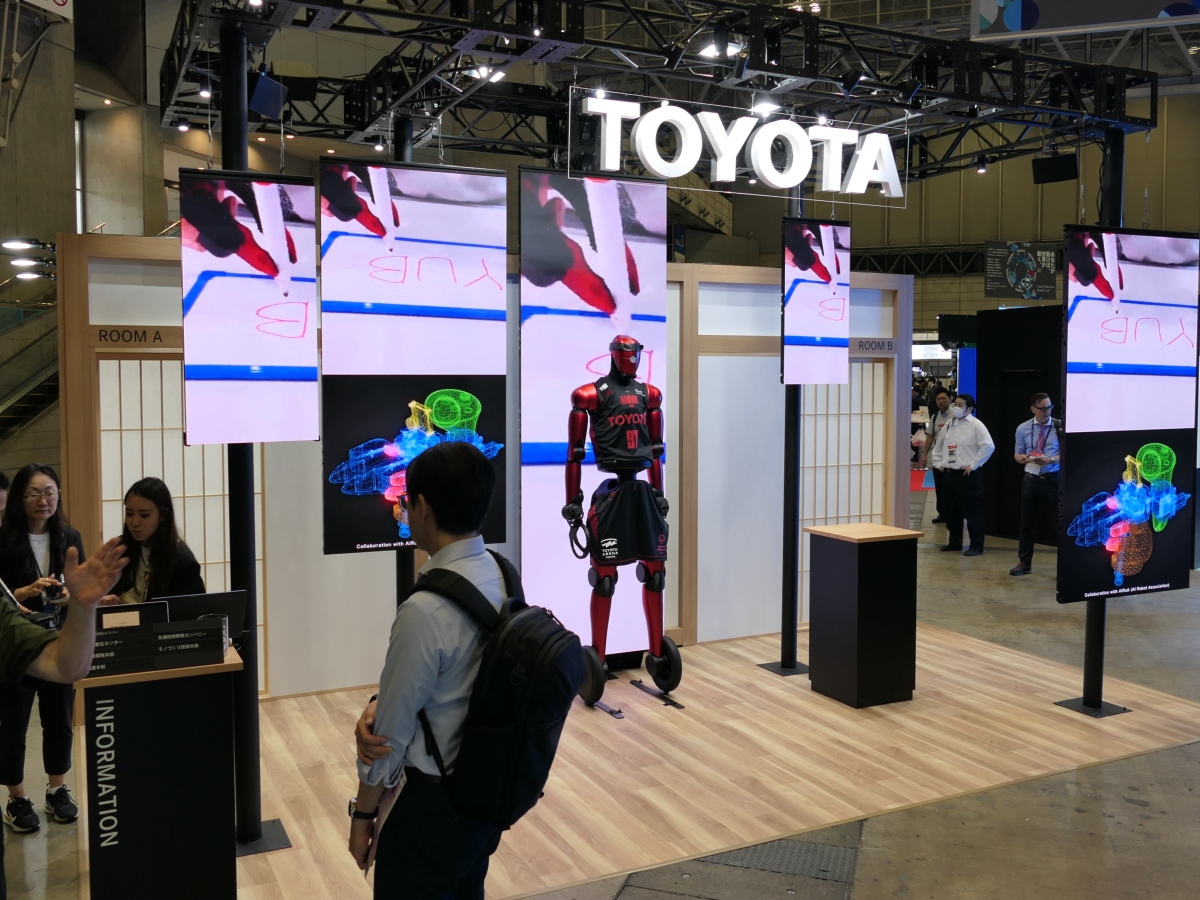
Japan Mobility Show Bizweek 2026 showcased Physical AI applications, including Toyota's basketball-playing rob…