
What happened
Visa's Sara Craven told PYMNTS that just 11% of small- to medium-sized businesses qualify as agent-ready, versus 19% of large merchants.
Why it matters
Craven said small businesses can pivot and learn faster, so the readiness gap is not fixed — a hedge, not a guarantee they close it.
What to watch
The opportunity hinges on whether merchants make product descriptions, inventory, sizes, prices and payment options readable to AI before the shopper reaches checkout.
WHO IT HITSSmall- and medium-sized merchants selling online are the ones affected: their product descriptions, inventory and payment details now decide whether an AI shopping agent can surface them at all. Payment and checkout teams at these businesses may need to treat agent-readiness as a channel requirement rather than an add-on feature.
Summaries like this, in your inbox every morning.
The Visa executive's comments land against a gap that runs through the whole report. Only 11% of small- to medium-sized businesses qualify as agent-ready, compared with 19% of large merchants, and just 15% of merchants overall have structured product data for agent access. Yet 68% expect AI agents to account for at least 5% of digital sales within two years — an expectation running well ahead of the plumbing beneath it.
Craven's argument is that this gap may not be a permanent disadvantage. Small businesses, she told PYMNTS, have a distinct ability to pivot and move faster, and with AI they can learn faster too. Her starting point is unglamorous: the product catalog. A description written for a human browsing a website may not give an AI model enough to answer a specific request, so merchants need precise descriptions, inventory, sizes, prices and payment options — with loyalty information mattering when shoppers ask AI to account for memberships or rewards.
For now, much of this remains at the discovery stage. Consumers use AI as a better search and still buy where they always buy, Webster noted, which creates a measurement problem: only 23% of merchants can clearly identify both AI-driven traffic and completed purchases. The same restraint shows elsewhere — kiosk pickup, voice ordering, scan-and-go and curbside all became less accessible, while merchants concentrated on checkout, payment choice and fraud controls. With 87% saying their checkout still needs improvement, the bet is that agent-readiness and the basics consumers already expect have to be solved together.
For example, today's edition would include:
AI-summarized, only the topics you pick — one digest a day via Email, LINE, or Slack.
Free · 30 seconds with Google · unsubscribe anytimeWhat is AIToday? →
Ask AI anything about this article. Q&As are published on this page for other readers too.
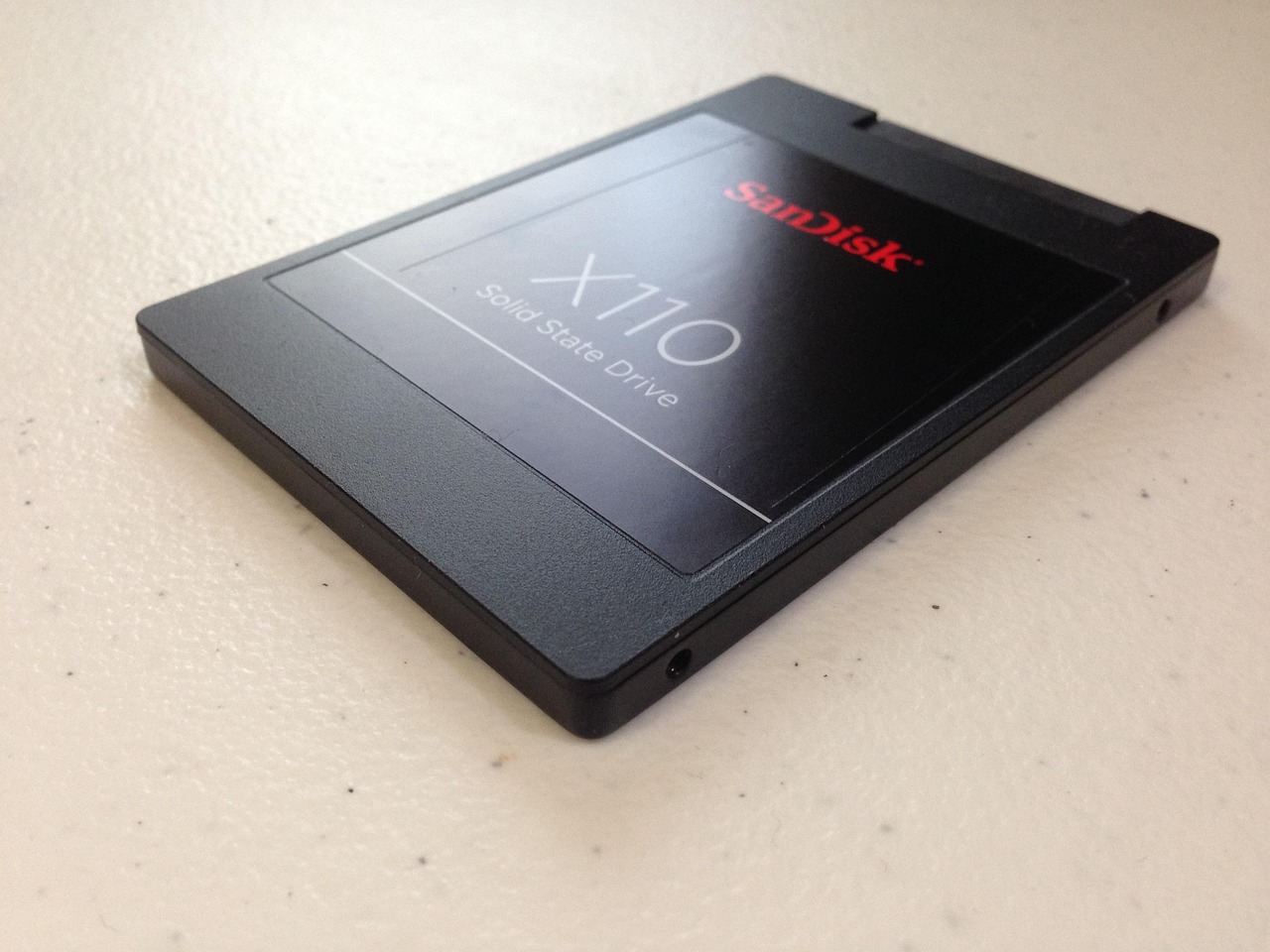
Rosenblatt initiated coverage of Sandisk with a Buy rating and a $2,400 price target

SanDisk now sells much of its output through multiyear New Business Models contracts with eight Datacenter and…
Applied Materials trades near US$444.57 at about 38.1x earnings, below the semiconductor sector average of rou…

AMD is promoting "From Sensor to Insight: Production-Ready Single-Chip Edge AI
JPMorgan Chase CEO Jamie Dimon told CNBC-TV18 that hyperscaler AI spending has more than doubled from about $3…

Heartland Advisors' Q2 2026 investor letter said Texas Instruments' data center power management revenues rose…