What happened
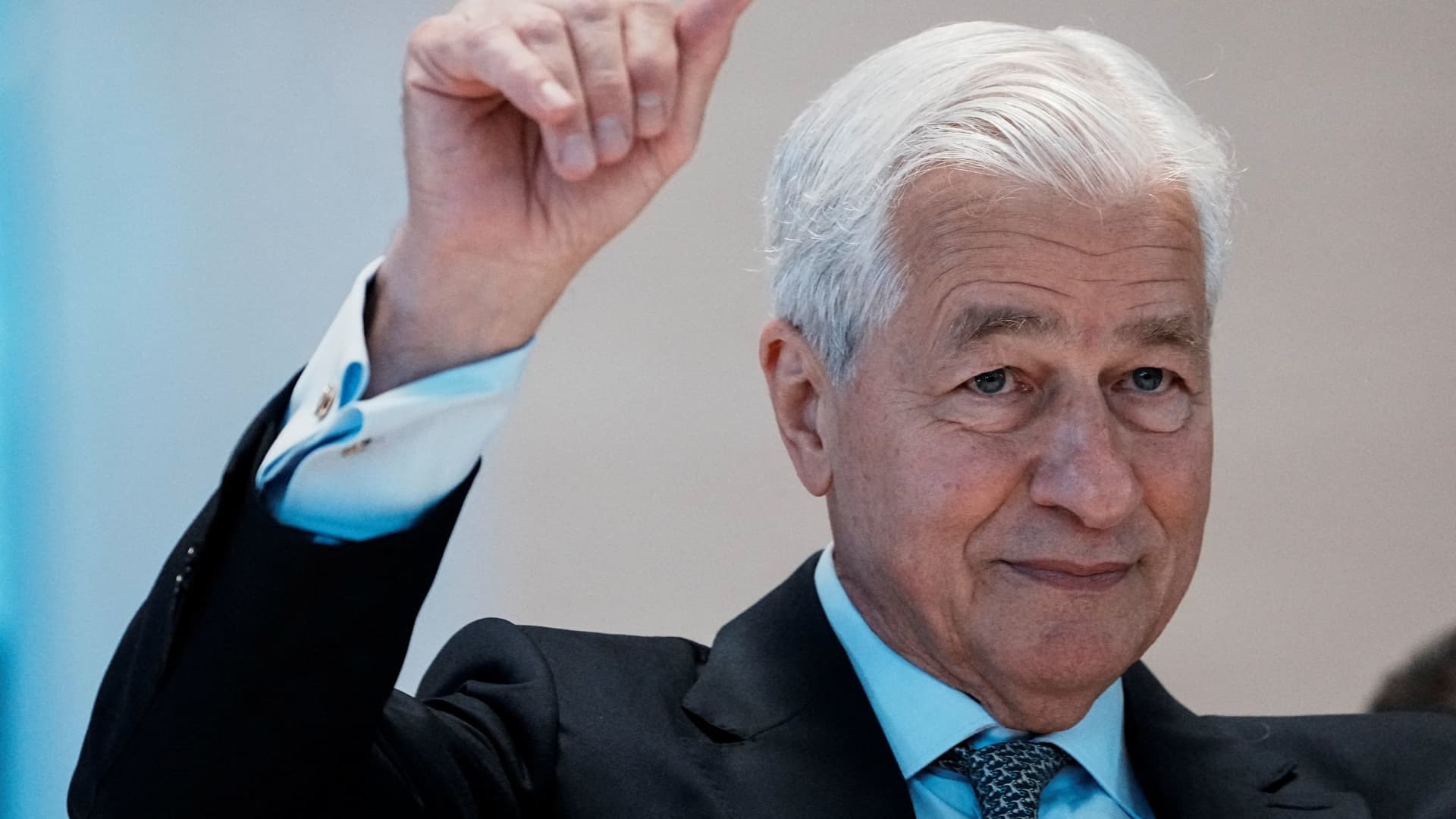
JPMorgan Chase CEO Jamie Dimon told CNBC-TV18 that hyperscaler AI spending has more than doubled from about $300 billion last year to around $700 billion this year, and could reach $1 trillion next year.
Why it matters
Dimon said this spending surge is boosting economic growth while potentially adding to inflation, and over the longer term he expects AI could have a deflationary effect, calling it an "unbelievable technology."
What to watch
Dimon cautioned it is too early to pick winners from the AI boom, citing the internet bubble where familiar names failed and little-known companies emerged. Whether returns justify the outlay may hinge on harder-to-quantify gains such as customer experience.
WHO IT HITSThis lands on investors and corporate budget owners weighing how much of the AI buildout is durable demand versus speculative spending, and on the chief financial officers who must justify such outlays without a clean return calculation, since Dimon noted sometimes it is "just table stakes."
Summaries like this, in your inbox every morning.
Dimon's comments came on the sidelines of the 11th annual JPMorgan India Conference, where he ranged across topics beyond AI. He said heavy demand for capital from infrastructure, remilitarization and ongoing government deficits may be pushing interest rates higher, and that there "may be a market correction" though he was not sure AI would be the cause. On inflation he stayed cautious, saying he hoped price pressure would ease but "there's a chance it won't, and it may even go up a little bit," and that the Federal Reserve should stick to its 2% inflation target.
His remarks on geopolitics also frame the AI spending debate. Ahead of the summit between U.S. President Donald Trump and Chinese President Xi Jinping, Dimon said the two sides appeared to be making progress and should "fully engage" on trade, AI and security, calling the talks "important for the whole free world." On India-U.S. relations he said the two countries should return to the negotiating table and complete a trade agreement, and while he understood U.S. concerns about purchases of Russian oil, Washington should take into account India's refining needs.
Underneath the trillion-dollar figure sits a familiar uncertainty: whether the current wave of spending is building durable businesses or a bubble. Dimon's own comparison to the internet era, where many familiar names failed while previously little-known companies became major winners, suggests the eventual winners may not be today's biggest spenders. For the companies committing capital now, the test is likely to be whether efficiency gains and hard-to-quantify customer-experience improvements eventually catch up to the scale of the outlay, a question Dimon leaves open.
For example, today's edition would include:
AI-summarized, only the topics you pick — one digest a day via Email, LINE, or Slack.
Free · 30 seconds with Google · unsubscribe anytimeWhat is AIToday? →
Ask AI anything about this article. Q&As are published on this page for other readers too.
Rosenblatt initiated coverage of Sandisk with a Buy rating and a $2,400 price target

Visa's Sara Craven told PYMNTS that just 11% of small- to medium-sized businesses qualify as agent-ready, vers…

SanDisk now sells much of its output through multiyear New Business Models contracts with eight Datacenter and…
Applied Materials trades near US$444.57 at about 38.1x earnings, below the semiconductor sector average of rou…

AMD is promoting "From Sensor to Insight: Production-Ready Single-Chip Edge AI

Heartland Advisors' Q2 2026 investor letter said Texas Instruments' data center power management revenues rose…