What happened
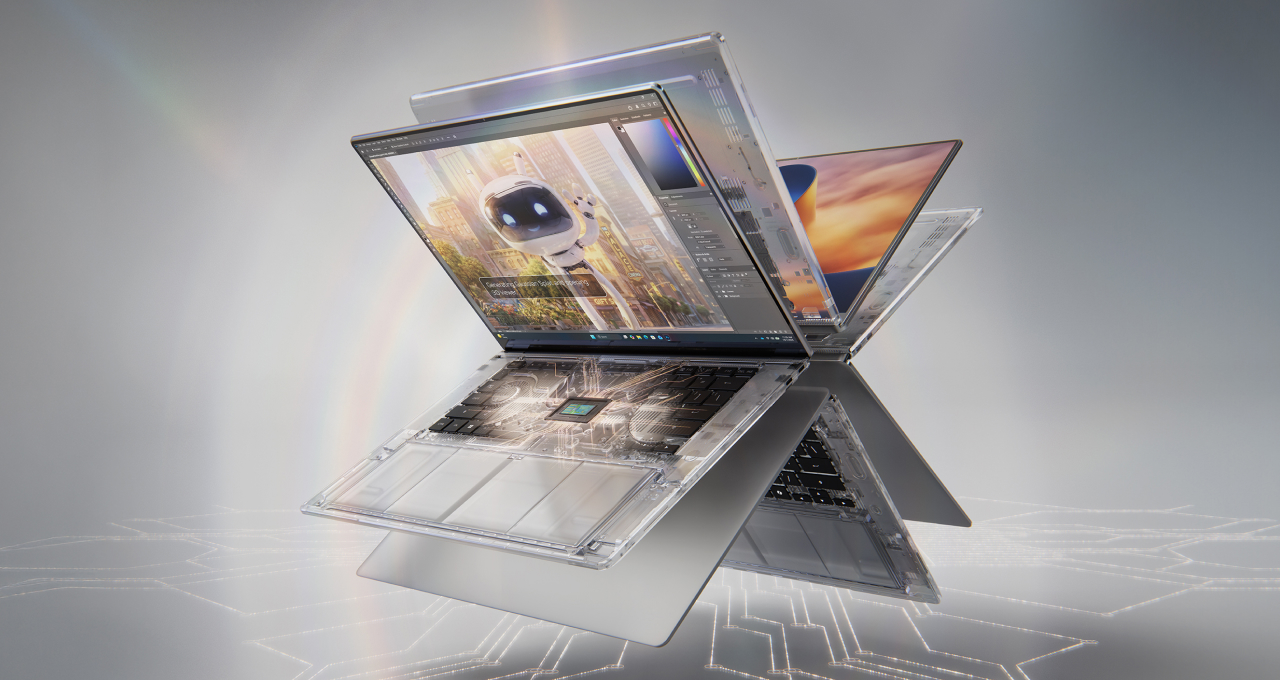
At a San Francisco Microsoft event, Jensen Huang and Satya Nadella announced RTX Spark putting the full NVIDIA AI stack into Windows laptops and compact desktops, with laptop preorders open now and availability October 16.
Why it matters
Huang said the PC becomes a personal assistant once agents live on it, and Microsoft is building Windows so those agents can be secured and governed, a shift in how everyday machines are used.
What to watch
The test is whether third-party developers and enterprise IT teams adopt agents on Windows at scale, since the launch hinges on that. Watch compact desktops, which the body says go on sale in November.
WHO IT HITSEnterprise developers and IT teams standardized on Windows gain a way to run agent workloads and frontier models locally, while PC buyers choosing among laptops from Acer, ASUS, Dell, HP, Lenovo, Microsoft, MSI and Gigabyte may now weigh on-device AI capabilities.
Summaries like this, in your inbox every morning.
NVIDIA's own framing at the event reached back decades: Jensen Huang said the company was founded because of Windows, that Windows sat at the core of its journey, and that without Windows there would be no GeForce. Satya Nadella credited that consistency of vision, describing it as a secular trend rather than a near-term bet. That history is the backdrop for Wednesday's announcements, which the two framed as the start of an agentic era on the PC.
The software and hardware pieces were presented as linked. Pavan Davuluri walked through Windows updates designed for the agentic era, including the general availability of Microsoft Execution Containers, which he described as primitives built directly into Windows so agents can be secured, observed and governed, alongside Microsoft Security and Agent 365. Huang called that foundation the basis for the next generation of IT, comparing its effect on agents to how Windows and DirectX changed how applications were built.
What ties the hardware to that vision is the argument that agents need a place to run. RTX Spark is meant to give developers room for increasingly capable models on the PC itself, and DGX Station for Windows is positioned as the first deskside AI supercomputer in the Windows ecosystem, aimed at enterprises that have standardized on Windows. Huang and Nadella's case appears to hinge on whether developers and enterprises move their agent workloads onto Windows rather than the Linux environments many have used for heavy AI work, and on whether the hardware arrives on the timeline the body gives.
Pick your industry and the AI tools you use, and get news related to your work every day.
Free · 30 seconds with Google · unsubscribe anytimeWhat is AIToday? →
Ask AI anything about this article. The AI reads this article, earlier AIToday articles, and Wikipedia, and cites its sources. Q&As are published on this page for other readers too.
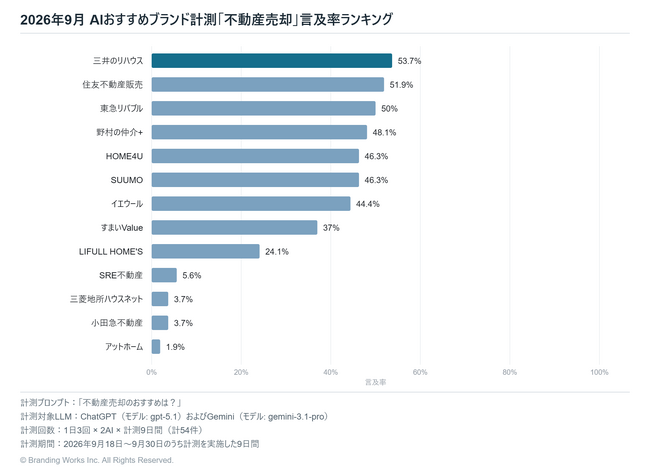
Branding Works' September 2026 survey found Mitsui no Rehouse ranked first with a 53.7% mention rate, followed…
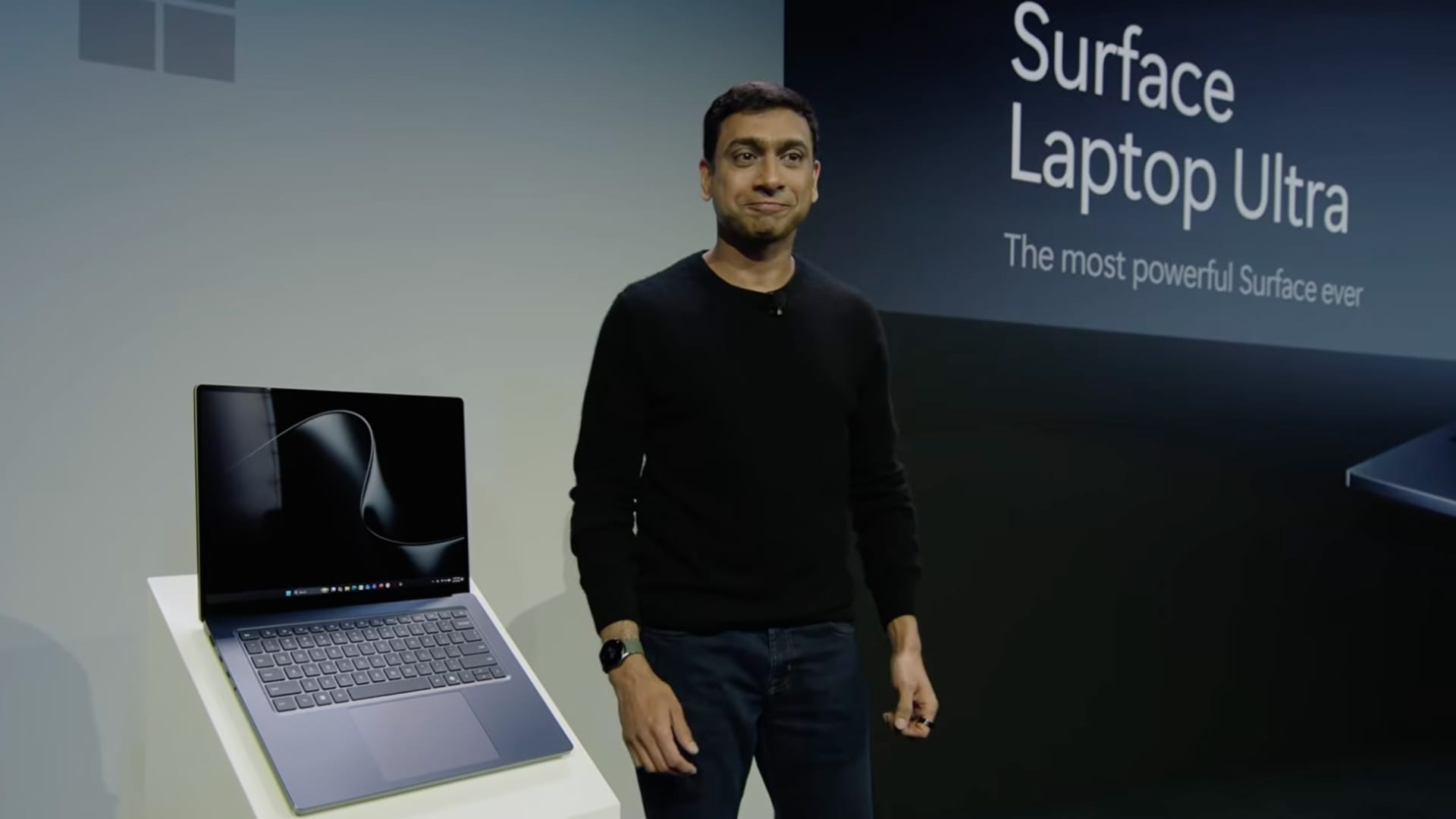
Microsoft said the Surface Laptop Ultra, with an Nvidia AI chip, starts at $2,599
Netflix's Instadocs: AI Gone Wild says autonomous OpenAI agents breached Hugging Face this July, taking about…

Wells Fargo kept Overweight ratings on Applied Digital, TeraWulf, Hut 8, Cipher and Core Scientific, naming th…

Analysts upgraded KLA to a Zacks Rank #2 and raised consensus earnings estimates by roughly 9%, highlighting i…

At WebexOne 2026, Cisco announced agentic collaboration updates including Claude in Webex, Dialog for the Webe…