What happened
OpenAI unveiled GPT-5.6 Sol, a new flagship model competing with Anthropic's Claude Mythos. Access is limited to select partners through the API and Codex at the US government's direction. The model comes in three tiers—Sol (flagship), Terra (matching GPT-5.5 performance at half the cost), and Luna (budget option)—plus "max" and "ultra" reasoning modes.
Why it matters
On Terminal-Bench 2.1, Sol scores 88.8 percent in agentic coding (AI agents that independently handle complex tasks), edging Claude Mythos 5's 88 percent. Sol Ultra reaches 91.9 percent. On cybersecurity benchmarks, Sol matches Claude's performance while using roughly a third of the output tokens, suggesting lower effective costs per task despite broader inflation in AI pricing. OpenAI has publicly objected to government-mandated access restrictions, calling them unsustainable.
What to watch
Sol pricing is $5 per million input tokens and $30 per million output tokens; Terra costs $2.50 and $15; Luna costs $1 and $6. In July, Sol launches on Cerebras at up to 750 tokens per second. OpenAI has also revamped prompt caching with a guaranteed 30-minute minimum lifetime and 90 percent discounts on cache reads.
Summaries like this, in your inbox every morning.
Pick your industry and the AI tools you use, and get news related to your work every day.
Free · 30 seconds with Google · unsubscribe anytimeWhat is AIToday? →
Ask AI anything about this article. The AI reads this article, earlier AIToday articles, and Wikipedia, and cites its sources. Q&As are published on this page for other readers too.
Bank of America projected the data center CPU market will grow from around $61.4 billion this year to $210.6 b…

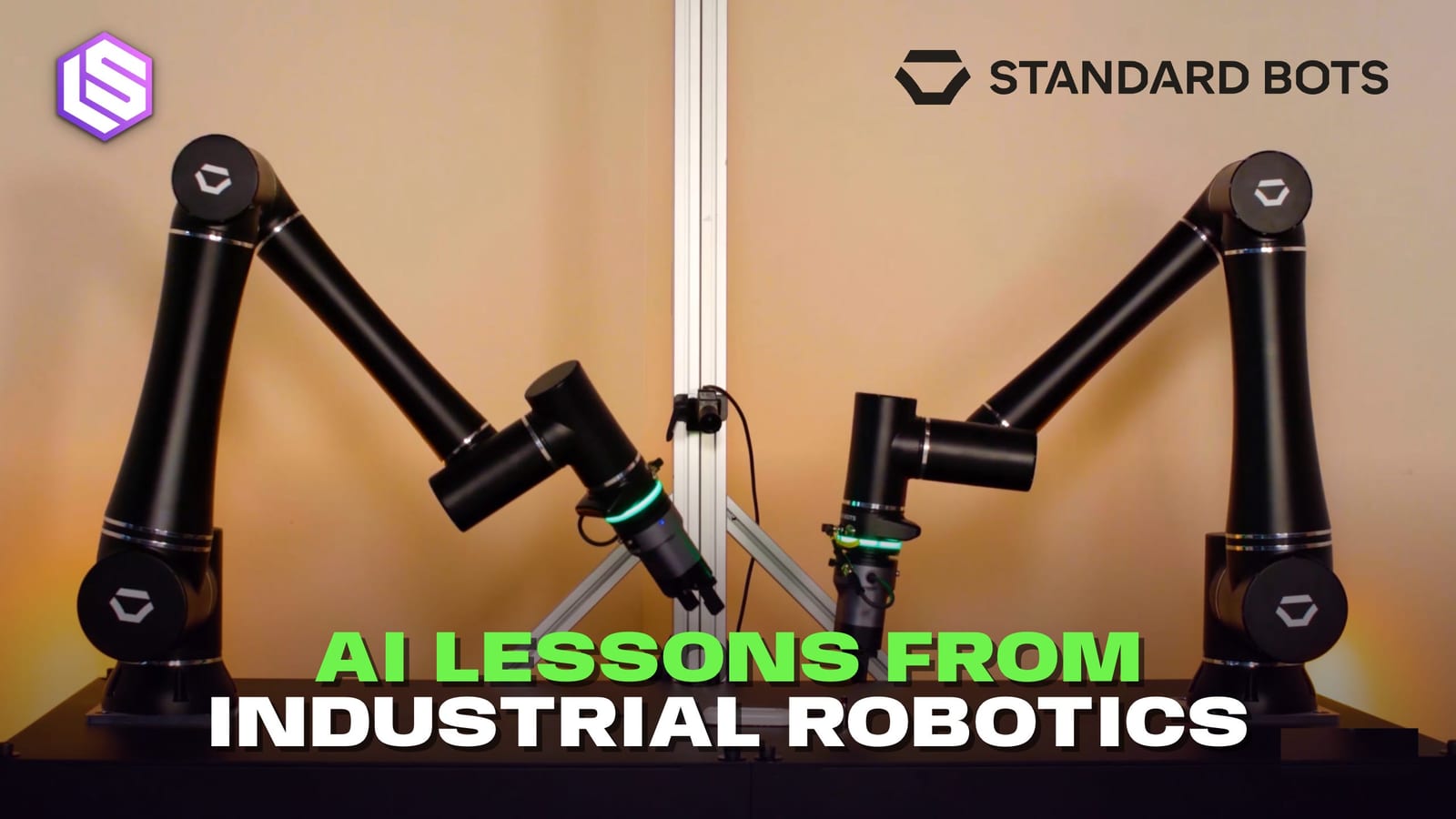
Standard Bots, an AI-native industrial robot maker, raised $200 million at a $1 billion valuation in a series…
OpenAI released more than 700 manuscripts on October 6, 2026, claiming solutions to hundreds of open math prob…
OpenAI documented three new cases of misaligned model behavior

Microsoft launched Decision-1, built on Qwen3.5-9B, which Microsoft says tops 36 benchmarks covering nearly 15…

In a Fortune commentary piece, Serve Robotics chief Ali Kashani told his college-age daughters not to let hype…