What happened
Apollo's Torsten Slok said the S&P 493 — the S&P 500 minus Alphabet, Amazon, Apple, Meta, Microsoft, Nvidia and Tesla — shows flat revenue per worker, profit margins and productivity, while the seven giants' revenue per employee rose from $550,000 in 2022 to almost $800,000 this year.
Why it matters
Slok wrote that mainstream corporate America now views token spending as a cost center weighing on margins, not a growth source, so the macroeconomic effects of AI will be very limited as long as agentic AI and token spending stay confined to a small part of the economy.
What to watch
Slok said the AI story will be decided in the S&P 493, not the Magnificent Seven.
WHO IT HITSThe analysis lands on CFOs and procurement teams at non-technology companies weighing AI token budgets, and on investors judging whether AI spending outside the seven giants will ever show up in margins.
Summaries like this, every morning.
Apollo's analysis, published on Saturday, sets the Magnificent Seven's gains against the rest of the S&P 500 on three measures: revenue per worker, profit margins and productivity growth. The gap is starkest in revenue per employee, which at the tech firms climbed from an average of $550,000 in 2022 to almost $800,000 this year, while the S&P 493 has lingered at about $550,000 since 2019. Profit margins tell a similar story, soaring at the tech firms since the third quarter of 2023 and staying roughly flat elsewhere.
Slok's reading is that this is not simply a lag. He notes some venture capital-backed startups are going against the grain and increasing spending on AI tokens, but more established firms are pulling back, treating token spending as a cost center rather than a source of growth. His conclusion is that mainstream corporate America does not need the latest model and is unwilling to pay for it, which caps AI's macroeconomic reach while agentic AI and token spending remain confined to a small part of the economy.
The research also challenges predictions that AI will usher in an "age of abundance." Slok argues that business intelligence is mostly judgment, and that AI still has to overcome significant challenges before it can be trusted — including its inability to understand business culture, accountability, ethical trade-offs, fairness and trust, which all factor into reputational risk and drive revenue and profit growth. Even as models become commoditized, he writes, turning increasingly cheap intelligence into higher revenue growth and higher profit margins may be harder than it sounds.
Pick your industry and the AI tools you use, and get news related to your work every day.
Free · 30 seconds with Google · unsubscribe anytimeWhat is AIToday? →
Ask AI anything about this article. The AI reads this article, earlier AIToday articles, and Wikipedia, and cites its sources. Q&As are published on this page for other readers too.
KnowledgeWork raised ¥4.8 billion in debt financing, including a credit facility, from seven lenders including…
Money Forward Home started connecting 'Money Forward ME' to Meta's personal AI agent 'Muse', so users who gran…

GENSHI AI opened applications through Dec 25, 2026 for 5 partner institutions to test RoundTrace, a chat tool…

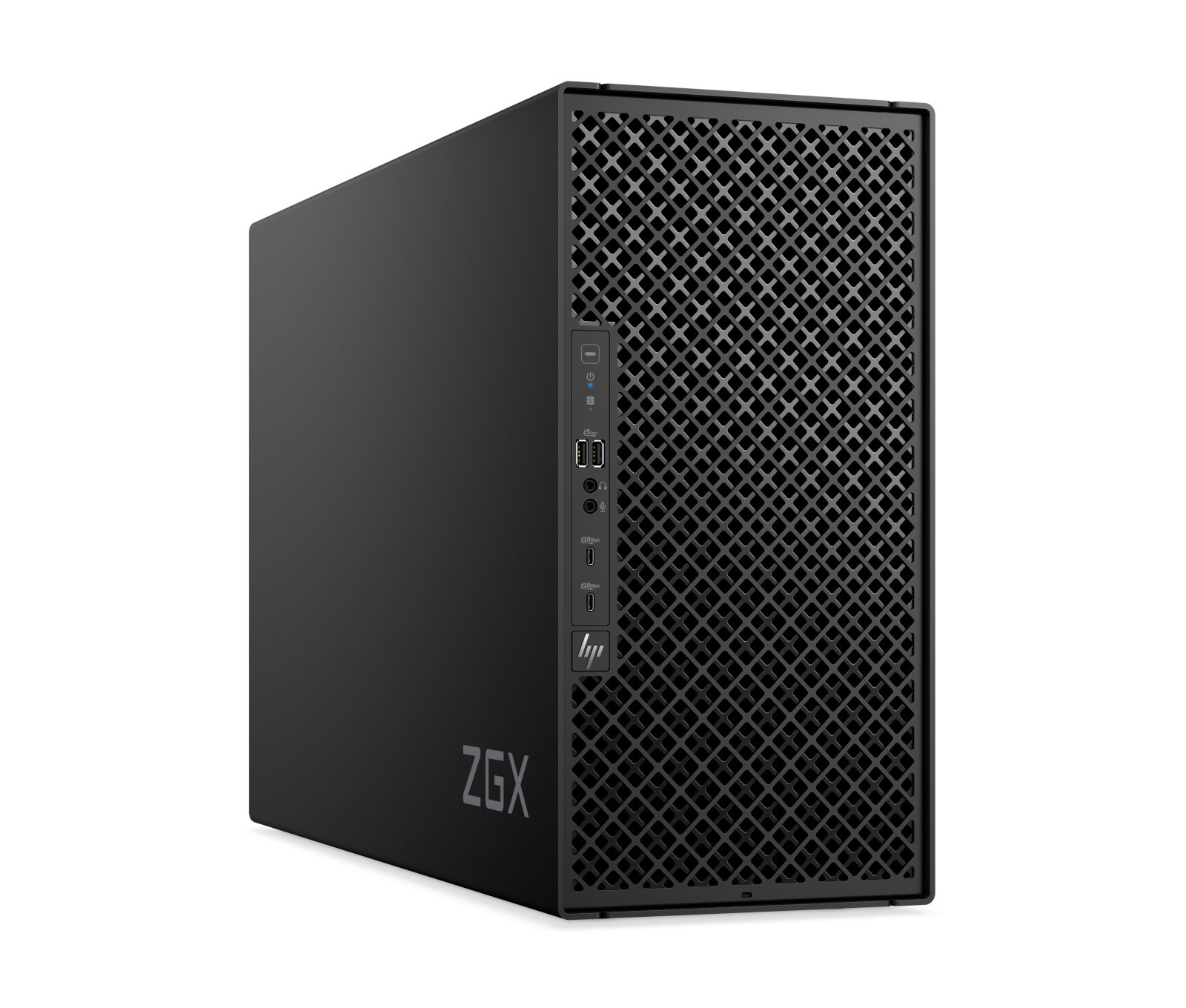
Japan HP announced the HP ZGX Fury G1n AI Station, a tower workstation with the NVIDIA GB300 Grace Blackwell U…
Meta beat revenue estimates with sales up 26%, but third-quarter capex of $34.9 billion topped operating cash…

Goldman Sachs strategists including Kamakshya Trivedi wrote in a Friday note that the yen is a more attractive…