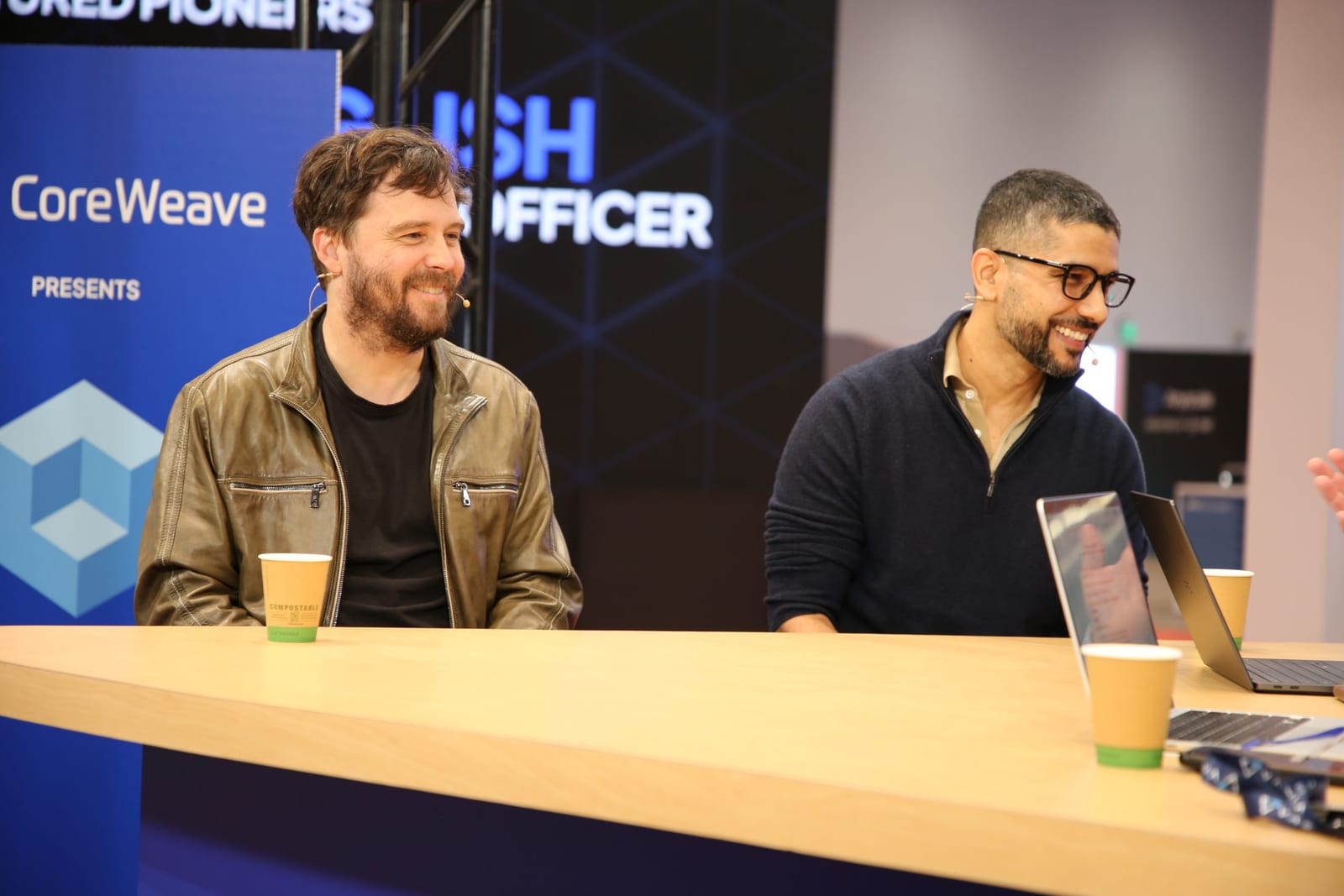
What happened
MasterClass Executive, MasterClass's new AI-native business program, runs a multi-agent system using about 10 agents per learner interaction. Mandar Bapaye, chief product officer of MasterClass's parent Yanka Industries, said the first cohort drew 30,000 applications for about 500 spots, and the second is nearing 50,000.
Why it matters
The application numbers suggest demand far outstrips the available seats, which is the gap AI teaching agents are meant to close by cutting the cost and staffing demands of one-to-one tutoring, according to Bapaye.
What to watch
Bapaye said observability becomes a nightmare once thousands of people are interacting in production, which is why MasterClass selected CoreWeave's W&B Weave to trace and improve the agents. Watch whether that nightly trace review catches production problems the eval period did not.
WHO IT HITSOperators of online education and corporate training programs are the clearest audience: they face the same cost, supply and quality constraints Bapaye described in human tutoring, and would need tooling to monitor AI agents once thousands of learners are interacting in production.
Summaries like this, in your inbox every morning.
MasterClass's pitch rests on a three-part problem its chief product officer, Mandar Bapaye, laid out plainly: personal teachers are expensive, scarce and inconsistent in quality. MasterClass Executive is the company's attempt to answer all three with software rather than hiring. The program plans each lesson around how a learner engages, watching for signs such as cognitive overload and fading motivation and then changing its approach.
The architecture is deliberately heavy. About 10 agents sit behind every learner interaction, and inputs, outputs, tool calls and communication between agents are all tracked. That volume is what pushed MasterClass toward CoreWeave's W&B Weave, announced recently, to trace and improve the teaching agents. MasterClass built its own agent on Weave's Model Context Protocol interface, and each night that agent reviews the traces and flags issues along with likely root causes. Lukas Biewald, CoreWeave's senior vice president of AI initiatives, has advised the MasterClass team and described the method as repeated evaluation loops; Bapaye's counterpart point is that a scientifically and pedagogically backed backbone matters more than simply dropping a chatbot in front of a student.
The demand signal is the striking part: 30,000 applications for about 500 spots in the first cohort, with the second nearing 50,000. Whether the model holds up likely hinges on production behavior rather than the evaluation period, since Bapaye himself framed the open question as how the agents behave once thousands of people are interacting and whether the experiences are actually good. For operators of online education and corporate training, the test is whether nightly trace review can catch those problems at a cost that still undercuts hiring teachers.
Pick your industry and the AI tools you use, and get news related to your work every day.
Free · 30 seconds with Google · unsubscribe anytimeWhat is AIToday? →
Ask AI anything about this article. The AI reads this article, earlier AIToday articles, and Wikipedia, and cites its sources. Q&As are published on this page for other readers too.
Alon Horev, co-founder and CTO of Vast, said at Fully Connected 2026 that agent sessions of half a million tok…
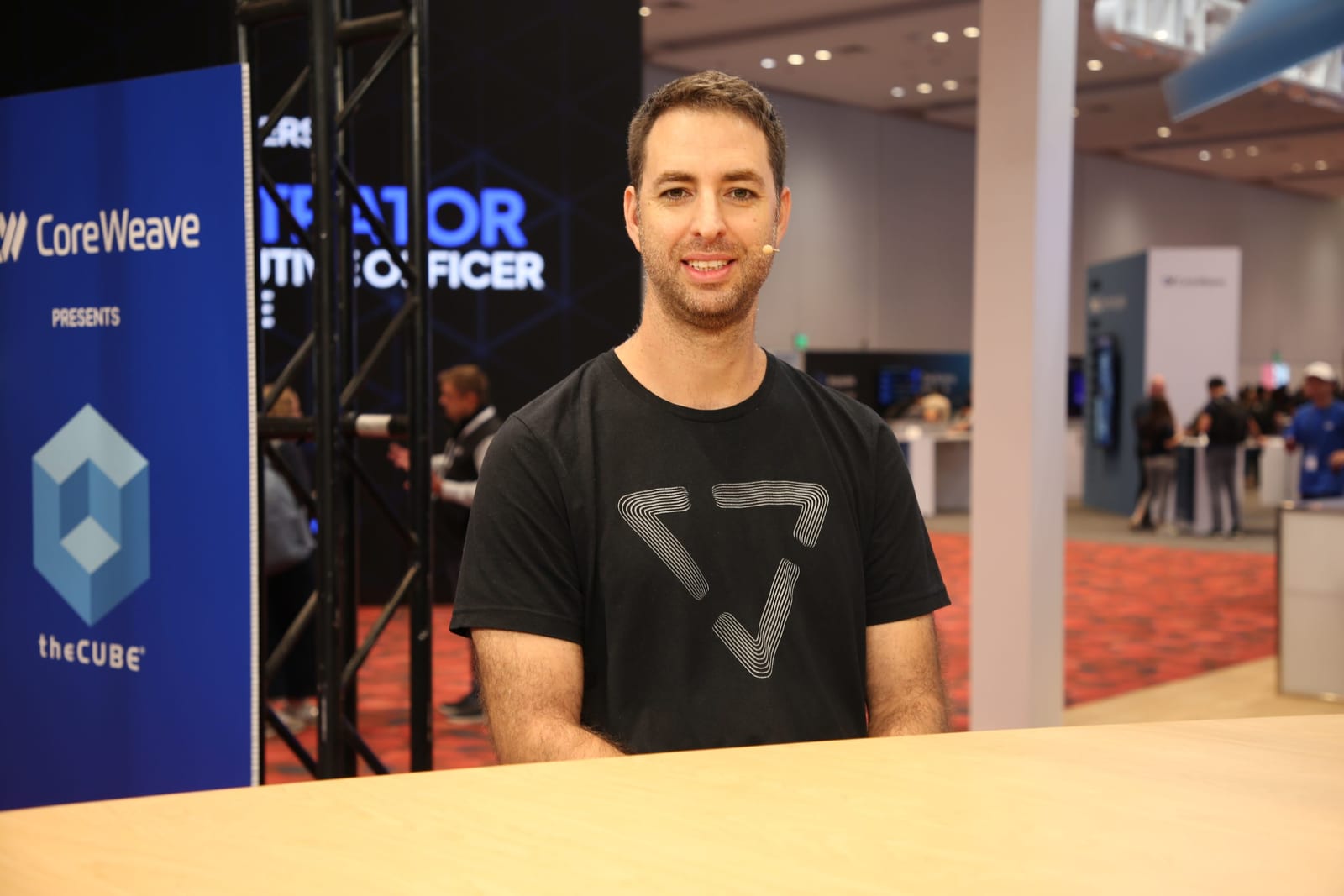
Taiwan's National Science and Technology Council (NSTC) has issued a call for proposals on "high-performance p…
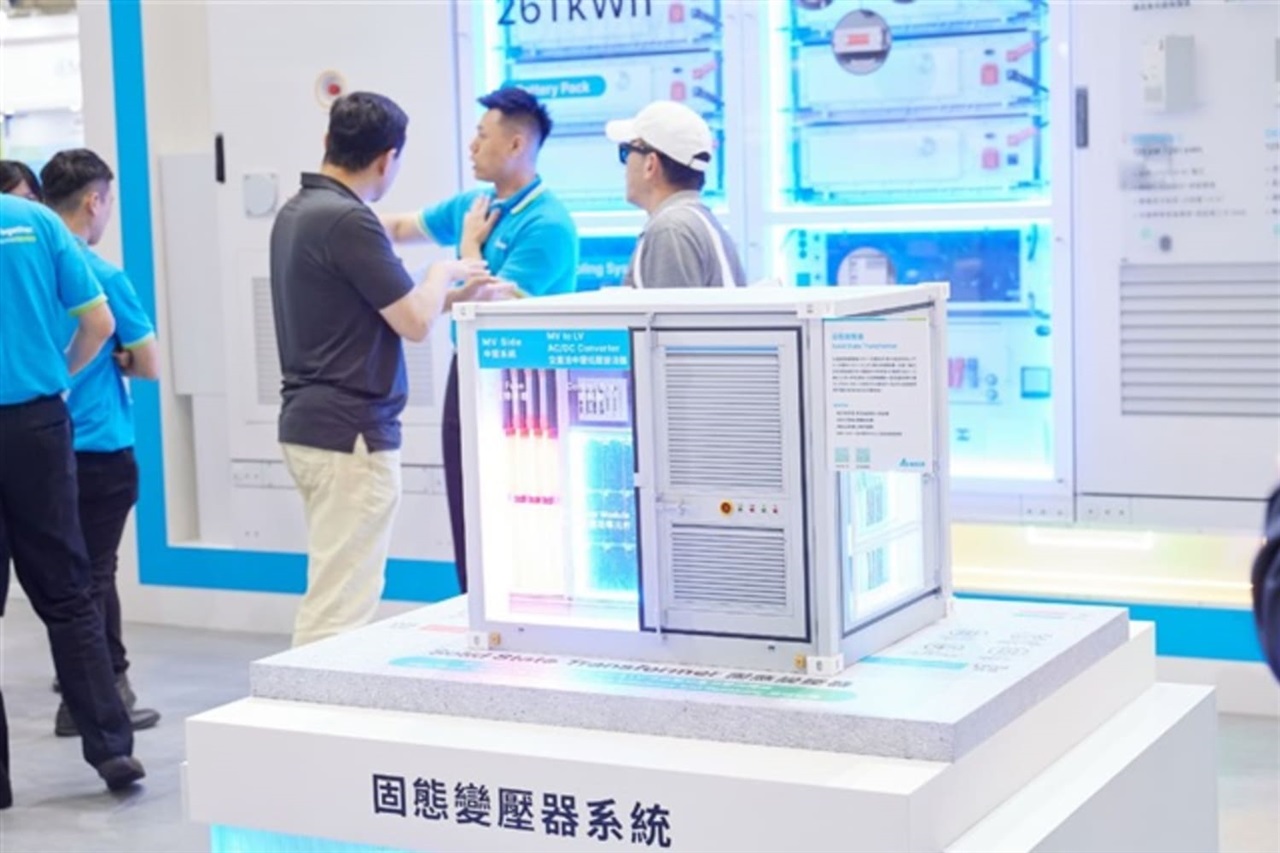
Microsoft, Amazon, and Oracle disclosed huge contracted AI cloud backlogs: Azure at roughly $100 billion a yea…

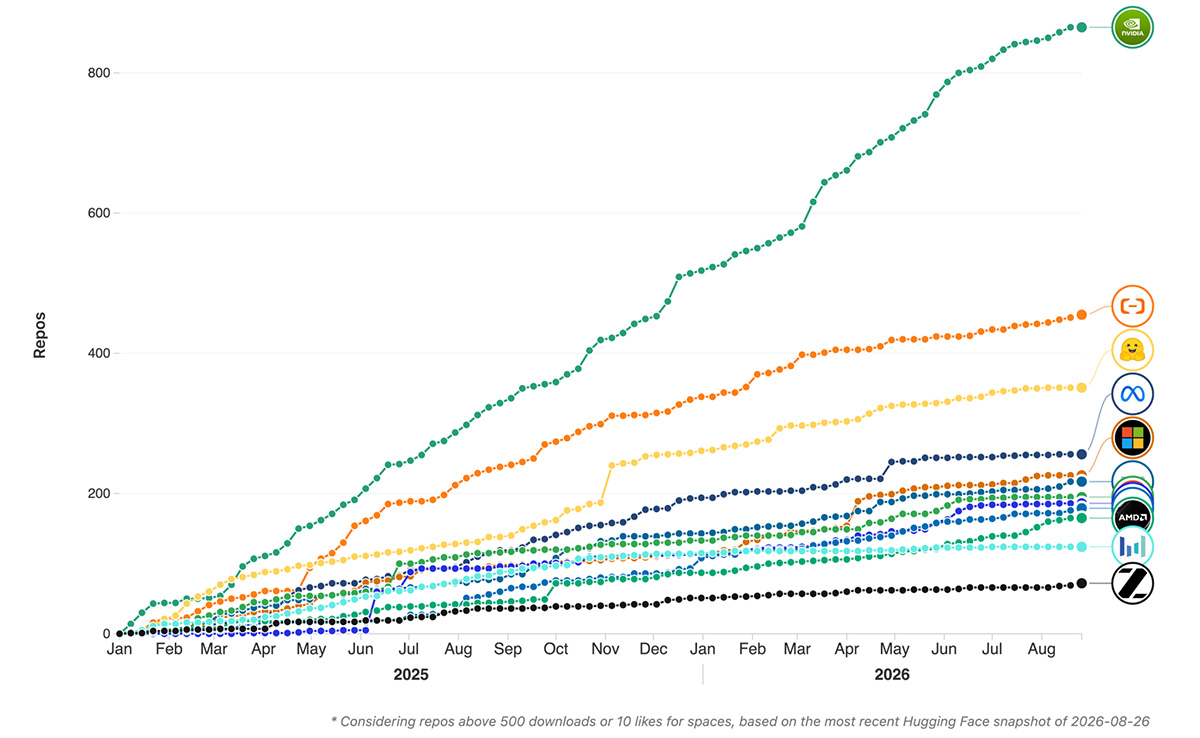
NVIDIA said it plans to spend $12.9 billion, the largest acquisition in its history, to buy Hugging Face, wher…
Overview AI launched the OV Spark and OV Spark Pro, all-in-one inspection cameras with an onboard agent called…
Microsoft published Nobel Prize-winning economist Daron Acemoglu's forecast that AI will boost GDP by about 1.…