Japan's top chip-equipment makers posted strong results. AI demand is shifting from China to other regions.
China's share of sales fell from 45.0% to 26.3%.
Risks now hinge on customer concentration, not geography.
What happened
Japan's five major semiconductor equipment makers posted strong results. Tokyo Electron and Advantest saw sharp revenue and profit growth. Kioxia's sales roughly quintupled year over year to 1.7671 trillion yen. The group's China sales ratio fell from a peak of 45.0% to 26.3%, while Taiwan and Korea sales surged.
Why it matters
AI-driven demand is broadening beyond chips to manufacturing, testing, storage, and components. The risk profile is shifting from regional dependence to customer dependence, says Kota Kobayashi of Itochu Research Institute. A global sell-off in semis in late July was halted by these strong earnings.
What to watch
Tokyo Electron and Advantest raised their guidance. Kioxia expects continued strong demand in Q2. Rohan kept its forecast. The key question is whether AI investment sustains and how far it ripples through the supply chain.
Ask the AI about this article →
The five Japanese chip-equipment makers' earnings show AI investment is not just boosting logic and memory, but also testing, storage, and components. Kioxia's surge reflects demand for high-capacity NAND and SSD in AI servers, aided by higher prices and a weak yen. Rohan and Renesas also grew, but their gains include one-off effects like reduced depreciation and prior-year losses.
China's share of sales fell from 45.0% to 26.3%, as exports restrictions and a pause in domestic capex reduced demand. Meanwhile, Taiwan and Korea grew sharply. This shift means these companies now depend more on a few large AI-related customers than on a broad geographic base, as noted by Itochu's Kobayashi.
Looking ahead, Tokyo Electron and Advantest raised forecasts, while Rohan held steady. The main uncertainty is whether AI data-center investment keeps expanding and how far it reaches. The July market sell-off showed investors worry about overheating and sustainability, but strong earnings have so far reassured them.
AI-summarized, only the topics you pick — one digest a day via Email, Slack, or Discord.
Free · takes 30 seconds · unsubscribe anytime
Ask AI anything about this article. Q&As are published on this page for other readers too.
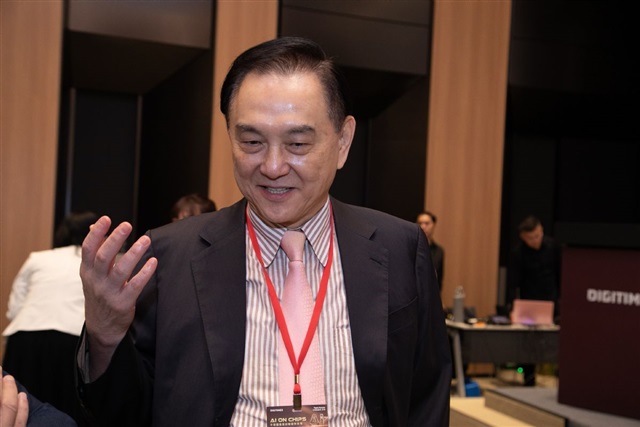
Etron Technology chairman Nicky Lu said the memory industry's boom will extend beyond 2027, with shortages lik…
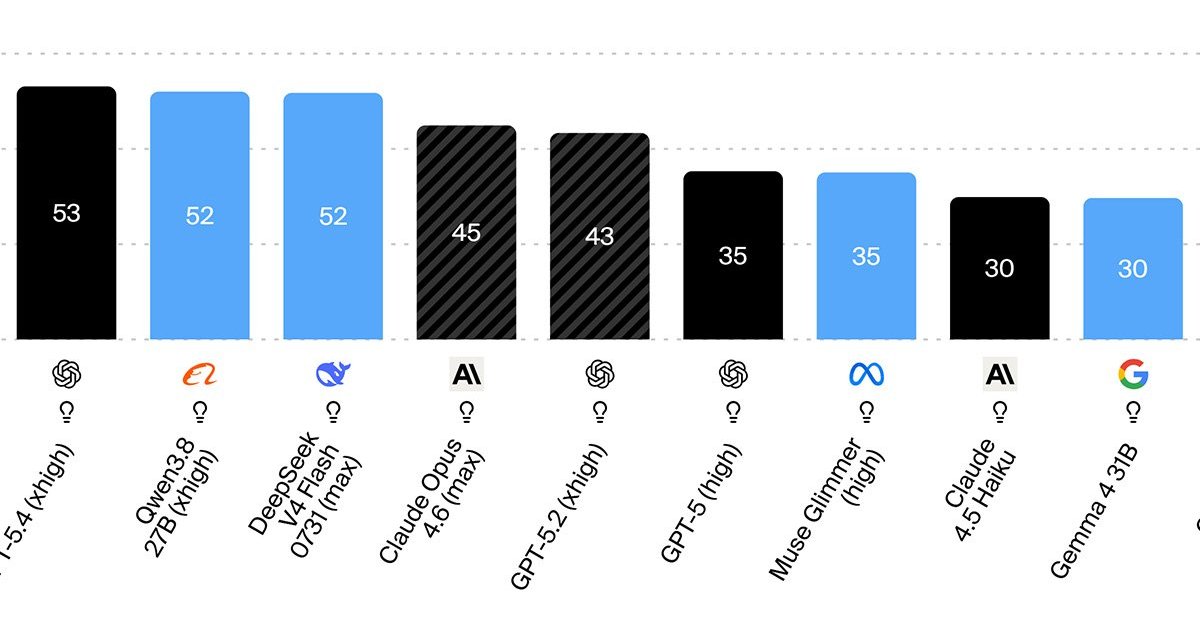
In 9 days from Aug 10, Meta (Muse Glimmer), NVIDIA (Nemotron 3.5 Lightning), and Alibaba Cloud (Qwen3.8-27B) r…
Snowflake announced dynamic model routing in Cortex AI Gateway, which selects the most affordable model for ea…

Observe by Snowflake, which combines unified telemetry storage, a context graph, and an AI SRE layer, helped s…
Nvidia is reportedly in discussions to invest in AI startup Perplexity as part of a funding round that would v…
SK Hynix is pushing beyond HBM (high-bandwidth memory, a key component in AI chips) to two new areas: HBF and…