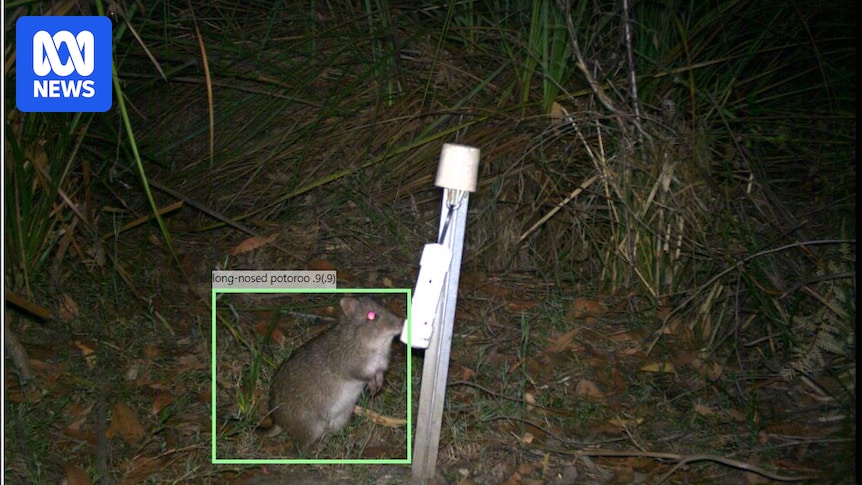
Parks Victoria, along with data scientist Peter van Lunteren, developed an AI species recognition model trained on five million images provided by 18 Victorian research and conservation organisations. The system can identify more than 200 native and feral species at greater than 95 per cent accuracy and processes 20 images per second.
The tool eliminates lengthy backlogs from motion-triggered field cameras that capture millions of images annually. Dr Erin Nash confirmed detection of red deer threats in burnt areas within hours—work that previously would have taken weeks—allowing faster response to feral animal control and endangered species protection.
Parks Victoria has released the AI model as open source on its website, allowing users to retain ownership of their data and camera images rather than ceding control to external tech companies. Zoos Victoria is already using the system with attached mini-computers to send text alerts when predators enter protected areas.
Ask the AI about this article →
For example, today's edition would include:
AI-summarized, only the topics you pick — one digest a day via Email, Slack, or Discord.
Free · takes 30 seconds · unsubscribe anytimeWhat is AIToday? →
Ask AI anything about this article. Q&As are published on this page for other readers too.
Anthropic launched Claude Fable 5.1 and Mythos 5.1, its most capable AI models yet, with gains in agentic codi…

John Ternus takes over as CEO of Apple today, stepping into the role as the company confronts the AI era

Top AI-native open source projects like Flue and tldraw are refusing external pull requests, often because the…

Visual Studio Code 1.135 now includes an experimental 'Rubber Duck' feature that lets developers request a sec…

Anthropic is making a permanent 25% increase to the usage limits in Claude Code, effective after September 14
OpenClaw creator Peter Steinberger and co-developers announced OpenClaw 2.0 over the weekend, describing it as…