What happened
SeaTicket, built by the team behind Seafile (open-source file-sync software maintained since 2012), connects GitHub Issues and Discord with Notion, Confluence, Linear, and Jira into a single workspace. When new issues arrive, an AI agent identifies related problems, past resolutions, and relevant knowledge-base content, then proposes a next step—but does not send, reply, or close anything without human approval.
Why it matters
Open-source maintainers and product/support teams managing multiple repositories and Discord servers have long faced the friction of duplicate bug reports scattered across platforms with no shared vocabulary. SeaTicket addresses this by matching the same underlying issue across sources—say, a two-line Discord comment and a ten-line GitHub bug report—even when they share zero keywords. Teams already living in GitHub can resolve issues there rather than migrating to a separate tool.
What to watch
SeaTicket's free plan and paid tiers charge no per-seat cost. The builders emphasize the tool is designed for teams whose issues do not arrive through a single queue, not as a Zendesk or Fin replacement; they are actively seeking feedback on whether the problem they are solving resonates with users.
Summaries like this, in your inbox every morning.
The problem SeaTicket targets is rooted in the workflow reality of distributed teams. After fourteen years maintaining Seafile, the builders noticed "go check if someone already reported this" became one of the most common lines in their team chat, because the same bug appeared multiple times across unconnected channels. GitHub Issues and Discord have become the de facto homes for issue tracking in open-source and modern product teams, but neither platform was designed to deduplicate reports across both—let alone across Notion wikis, Confluence documentation, Linear backlogs, or Jira instances. The core innovation is semantic matching: aligning a fragmentary Discord comment with a formal GitHub bug report despite zero keyword overlap. This differs fundamentally from support platforms like Zendesk or Fin, which assume a centralized queue and dedicated support staff. SeaTicket instead assumes teams already live in GitHub and Discord and want to keep issues there, avoiding the friction of context-switching to a separate tool. The builders' insistence on human approval before any action—no unsupervised replies or closures—also reflects a conservative stance on automation in customer-facing workflows.
Pick your industry and the AI tools you use, and get news related to your work every day.
Free · 30 seconds with Google · unsubscribe anytimeWhat is AIToday? →
Ask AI anything about this article. The AI reads this article, earlier AIToday articles, and Wikipedia, and cites its sources. Q&As are published on this page for other readers too.
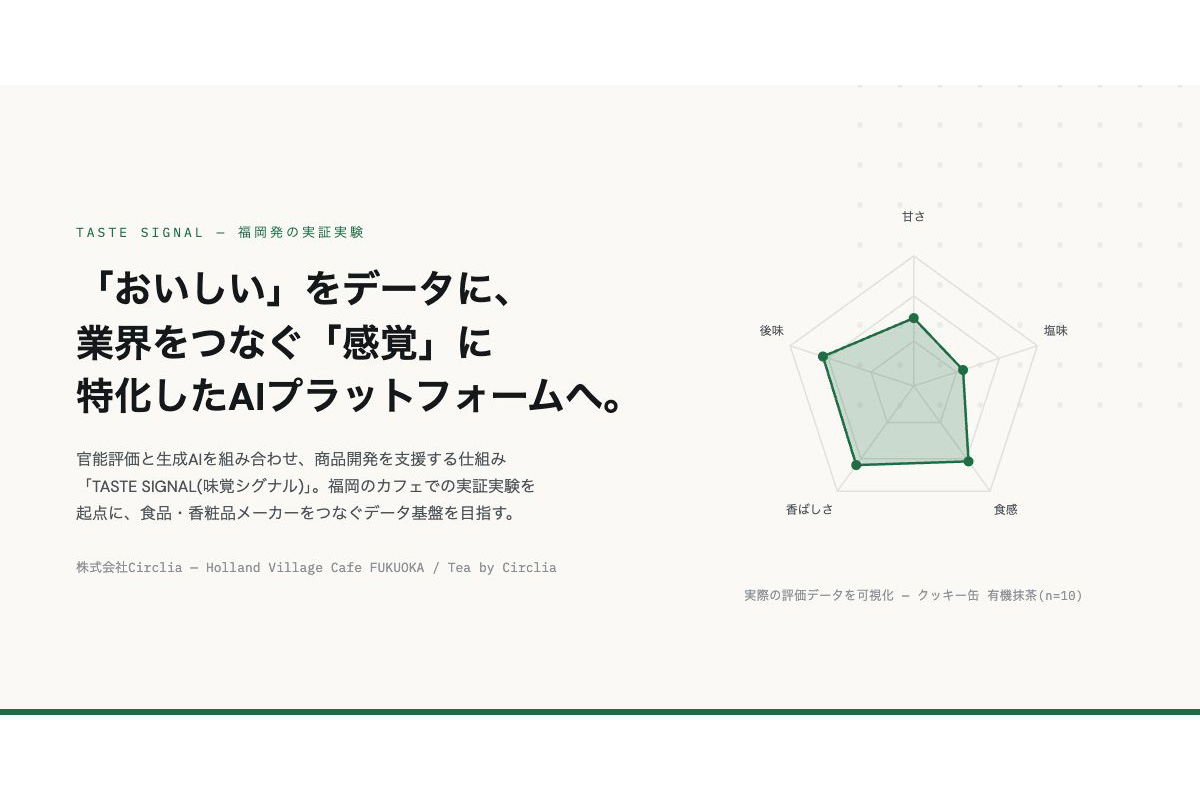
Circlia started a proof-of-concept for TASTE SIGNAL: visitors to Holland Village Cafe FUKUOKA taste cookies an…
In a webinar hosted by French Mathematical Society president Isabelle Gallagher, Fields Medal winner Hugo Dumi…

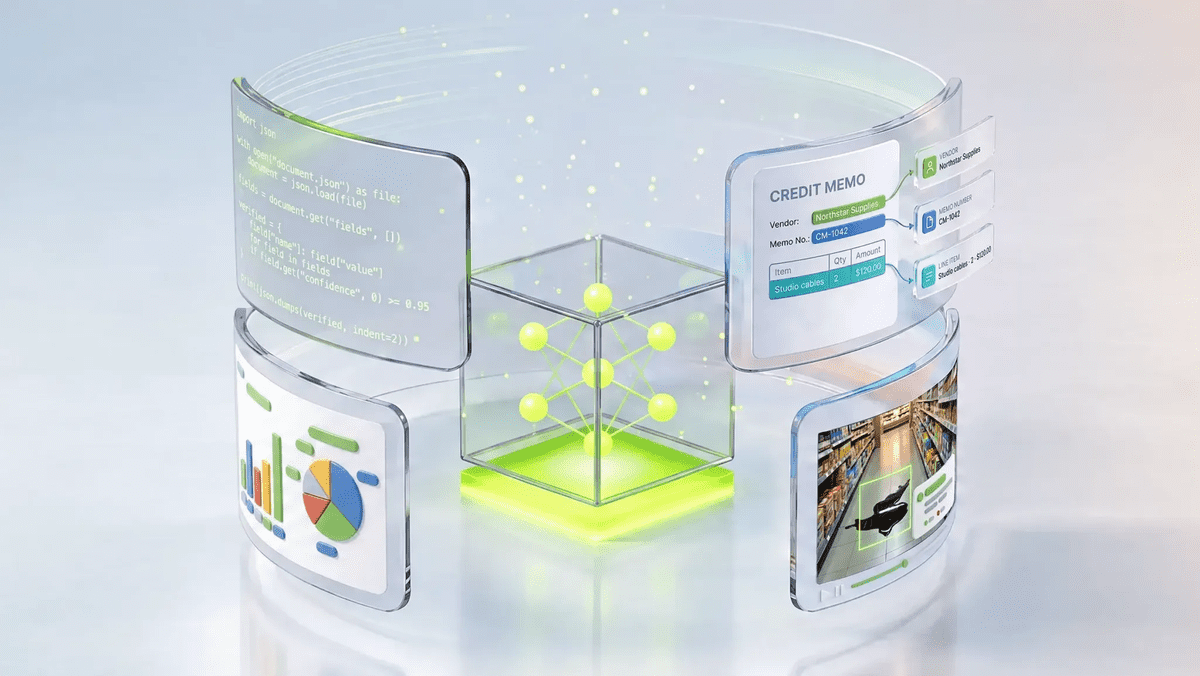
NVIDIA released Nemotron 3.5 Super VL, an open-weight model with 120 billion parameters that handles text, ima…
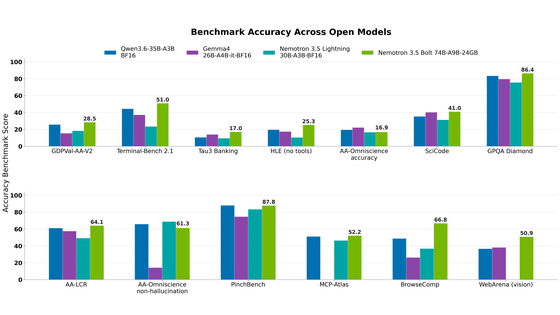
NVIDIA released Nemotron 3.5 Bolt 74B-A9B 24GB, an AI model for local agents that hits over 80 tokens per seco…
NVIDIA published a blog post titled "AI Security Is an Engineering Problem - How to Solve It at Every Layer of…

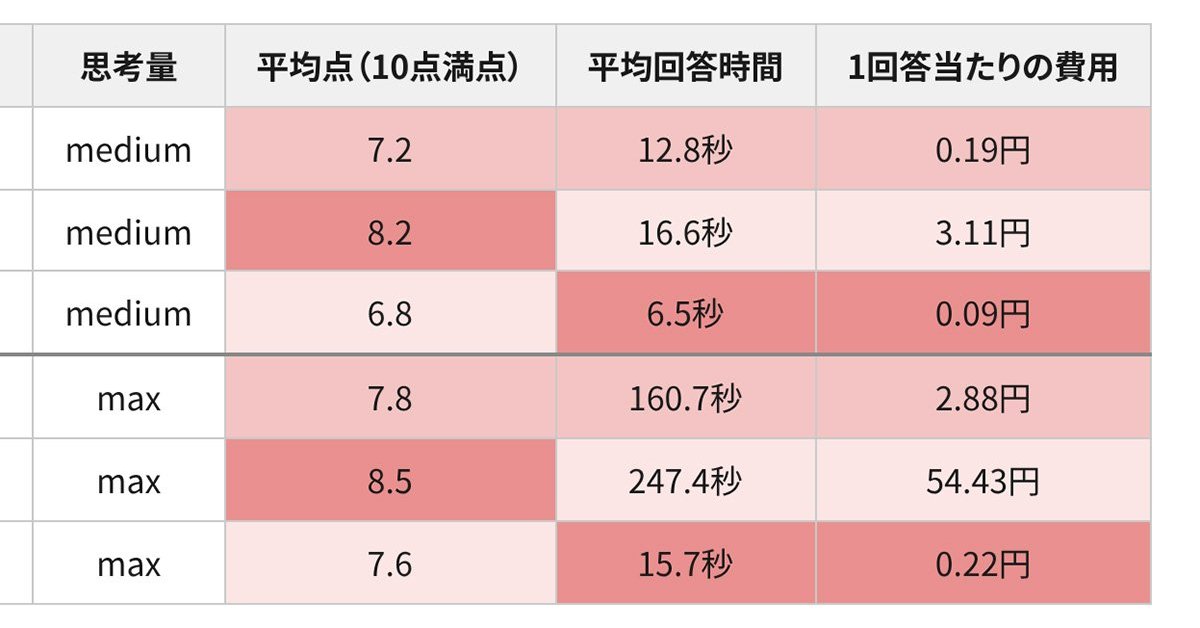
In the test, Haiku 5.5 on medium setting averaged scores close to Sonnet 5.5 on routine documents at about 1/1…