What happened
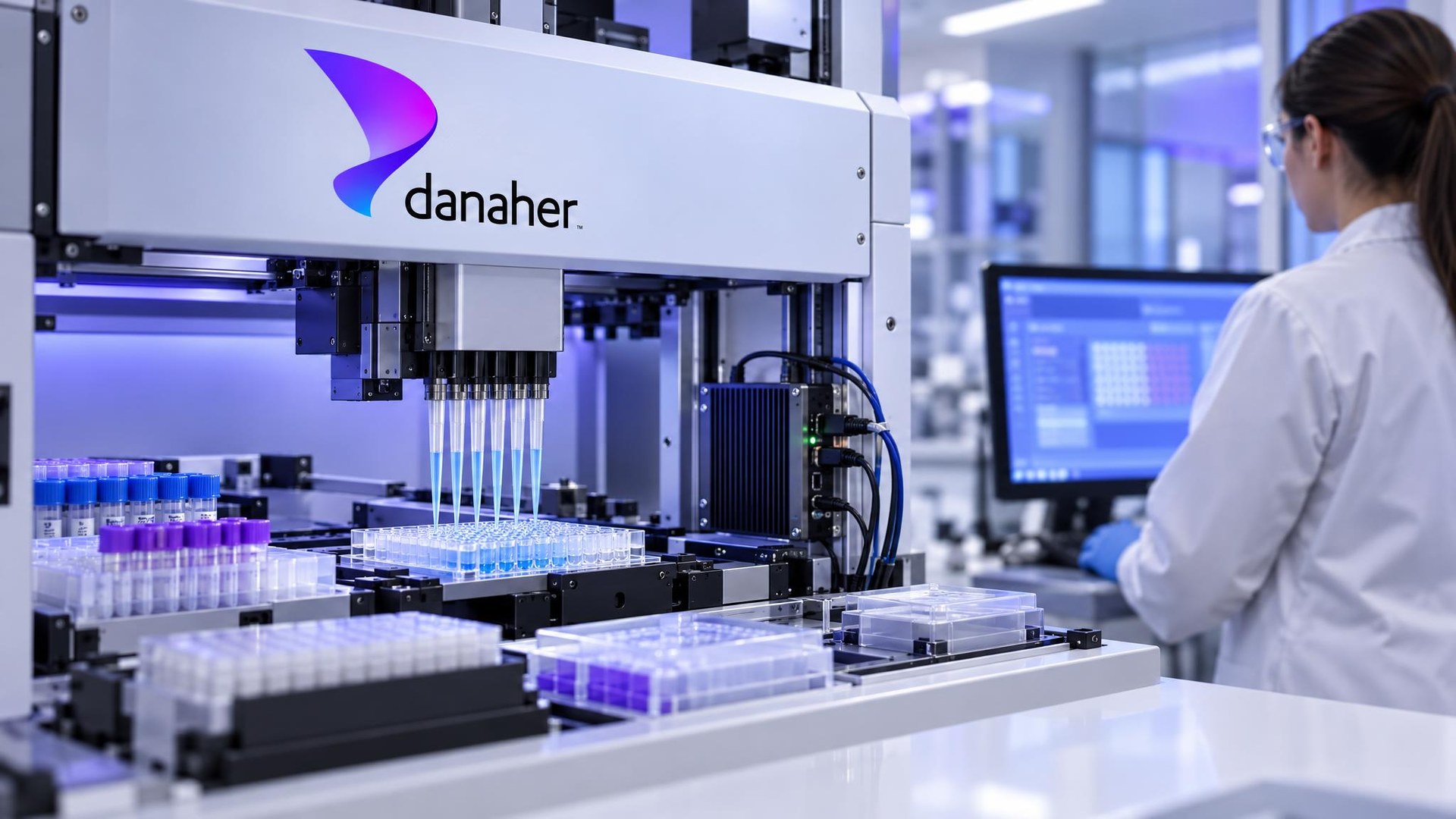
Danaher said on October 14, 2026 it is collaborating with NVIDIA to integrate AI into scientific instruments, spanning edge computing via NVIDIA DGX Spark, RAPIDS analytics, real-time inference and BioNeMo Open Models, starting with a select group of priority instruments.
Why it matters
The work is intended to keep experimental evidence at the center of scientific decision-making, letting results feed back into models and models shape the next round of experiments, so researchers may shorten the path from prediction to evidence.
What to watch
Danaher's first AI-powered autonomous lab is expected to operate at scale in early 2027.
WHO IT HITSR&D teams and lab managers at pharmaceutical and life-sciences companies stand to gain faster design-make-test-learn cycles. Instrument makers and lab-software vendors may face pressure to make their own devices programmatically controllable and AI-ready.
Summaries like this, in your inbox every morning.
Danaher's October 14 collaboration with NVIDIA builds on an earlier announcement, made on October 7, 2026, of plans to launch its first AI-powered autonomous lab. That lab is based at Abcam, a Danaher company, and combines technologies from Danaher operating companies Beckman Coulter Life Sciences, Cytiva, Genedata, Integrated DNA Technologies and Molecular Devices in one connected workflow, with device orchestration and robotic automation from collaborative work with Automata. The same October 7 release disclosed that Automata received an investment from Danaher in January 2026.
The autonomous lab is designed to help researchers develop custom antibodies and other molecular tools. Danaher said it applies AI to create new affinity reagents, including antibodies, then builds and tests each candidate, with every result returned to the model to improve the next design. The company said the lab is designed to deliver up to 8x faster discovery of affinity reagents and up to a tenfold increase in annual reagent generation, from tens to hundreds of reagents per year as the lab scales.
Danaher described the autonomous lab as the first step in a broader initiative to create smart instruments, integrated workflows and autonomous labs. Under that program, the company said, instruments are being designed to be easier to integrate and control programmatically, to produce AI-ready data and to include expert-level agentic systems designed to simplify operation, improve data quality and generate deeper insights. These devices can then be connected into integrated workflows and autonomous labs that execute design-make-test-learn cycles.
Pick your industry and the AI tools you use, and get news related to your work every day.
Free · 30 seconds with Google · unsubscribe anytimeWhat is AIToday? →
Ask AI anything about this article. The AI reads this article, earlier AIToday articles, and Wikipedia, and cites its sources. Q&As are published on this page for other readers too.
Broadcom CEO Hock Tan said AI growth faces a capital hurdle and described a "casino" element in AI investing

Citigroup CEO stated that AI spending is not slowing down despite higher interest rates

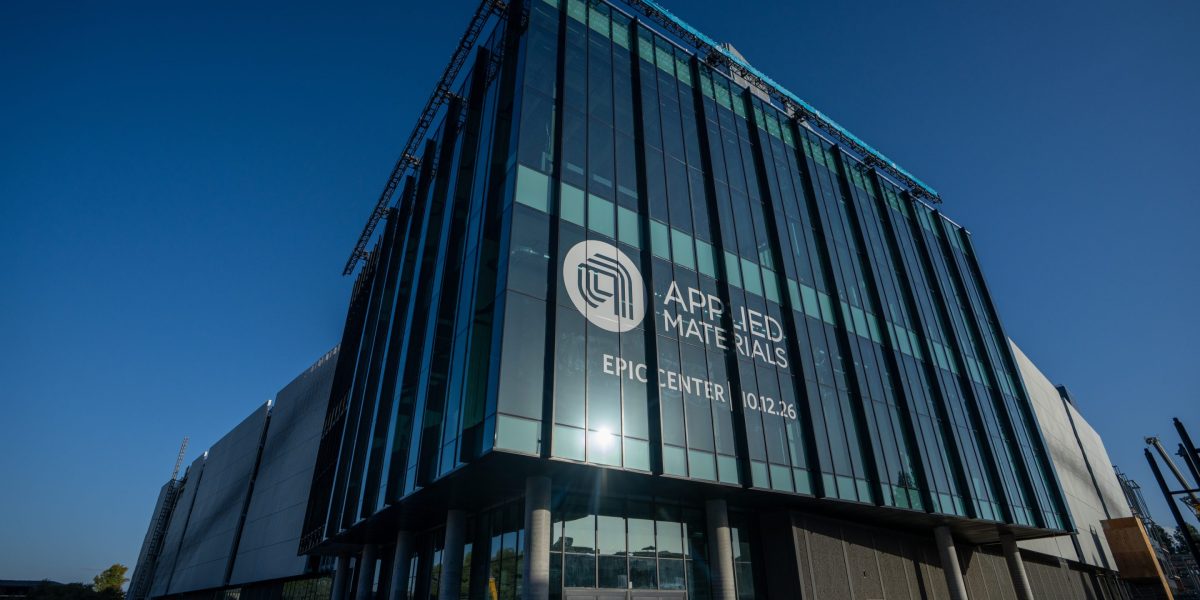
Applied Materials officially unveiled its $5 billion EPIC facility, a 600,000-square-foot research center at i…
Marvell Technology announced the second generation of its Structera X family, which it calls the industry-firs…

According to Bloomberg.com, Caterpillar shares could be heading for a 30% slump, as indicated by the title "Ca…

Reuters reports that the pharma sector is doubling down on AI as a way to cut costs and timelines