What happened
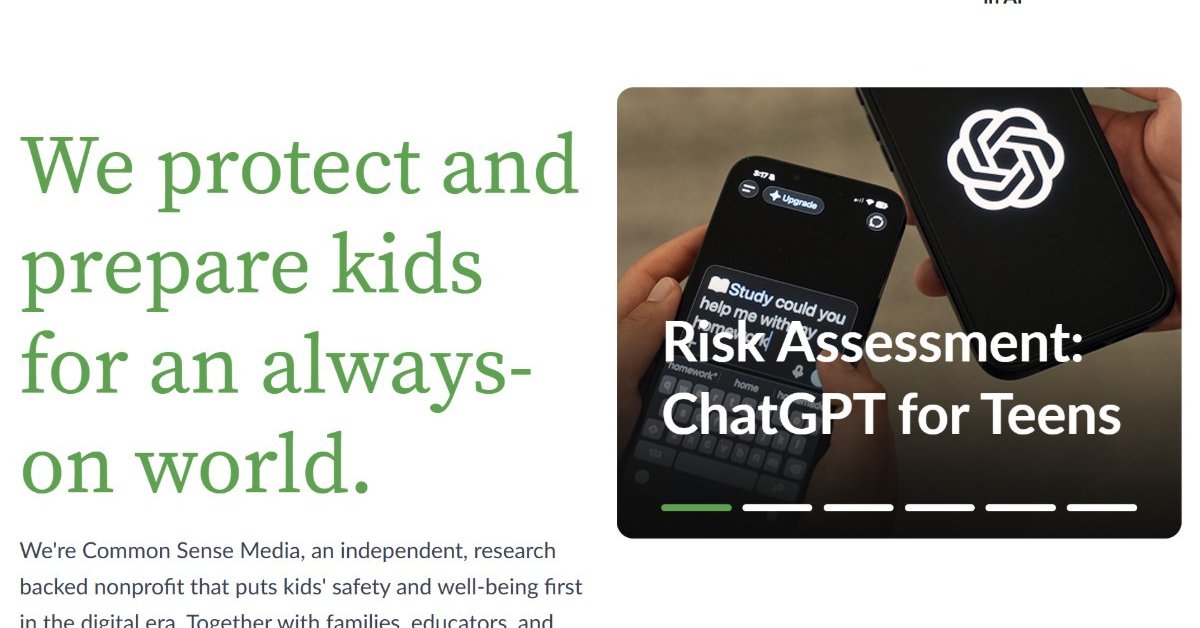
Common Sense Media's Youth AI Safety Institute tested ChatGPT for Teens with over 4,000 prompts and rated it "Unacceptable Risk"; it wants ChatGPT restricted to users 18 and older until fixes and third-party verification.
Why it matters
The group says the parental-notification and safety features give parents a false sense of security, which could matter to families and schools weighing whether teens should use the product.
WHO IT HITSParents and schools deciding whether 13- to 17-year-olds should use ChatGPT are the audience most directly affected, since the critique centers on parent notifications and safety controls that did not work as promised. OpenAI's planned Boston Children's Hospital Digital Wellness Lab partnership and College Planner are also aimed at this same teen-and-parent audience.
Summaries like this, in your inbox every morning.
The two announcements landed about two hours apart on October 7 US time, with Common Sense Media's post at 1:55 a.m. Japan time on October 8 and OpenAI's at 4:03 a.m. The article notes the reason for the proximity is unknown, and that OpenAI's blog contained no direct rebuttal of the assessment or specific explanation of the flagged problems.
The critique rests on testing conducted around the time ChatGPT for Teens was announced. Testers registered accounts as 13- to 17-year-olds and ran more than 4,000 prompts, with child psychiatrists and pediatricians joining the evaluation. While some safeguards such as refusing sexual role-play worked, the institute says others OpenAI promised did not. It also found that Study Mode could be gamed to finish homework, that parental time restrictions were easy to bypass, that the AI expressed emotions and preferences like a human friend, and that a user who declared themselves 13 could not be switched into the under-18 environment.
OpenAI's own numbers paint a more reassuring picture. Teens with access sent about 2.7 million more learning-related messages on average than those without it. About 1.2 million used Learning Visualizations in a week and over 180,000 used Study Mode. Average daily use was under 15 minutes, with fewer than 2% on sessions of three hours or more, and roughly half took a break or ended the conversation within five minutes. OpenAI said it views these early trends positively and will keep studying usage. Director Tom Siegel warned the product could give parents false reassurance, and the institute's call is for ChatGPT to be limited to users 18 and older until safety features improve and outside verification is done.
Pick your industry and the AI tools you use, and get news related to your work every day.
Free · 30 seconds with Google · unsubscribe anytimeWhat is AIToday? →
Ask AI anything about this article. The AI reads this article, earlier AIToday articles, and Wikipedia, and cites its sources. Q&As are published on this page for other readers too.
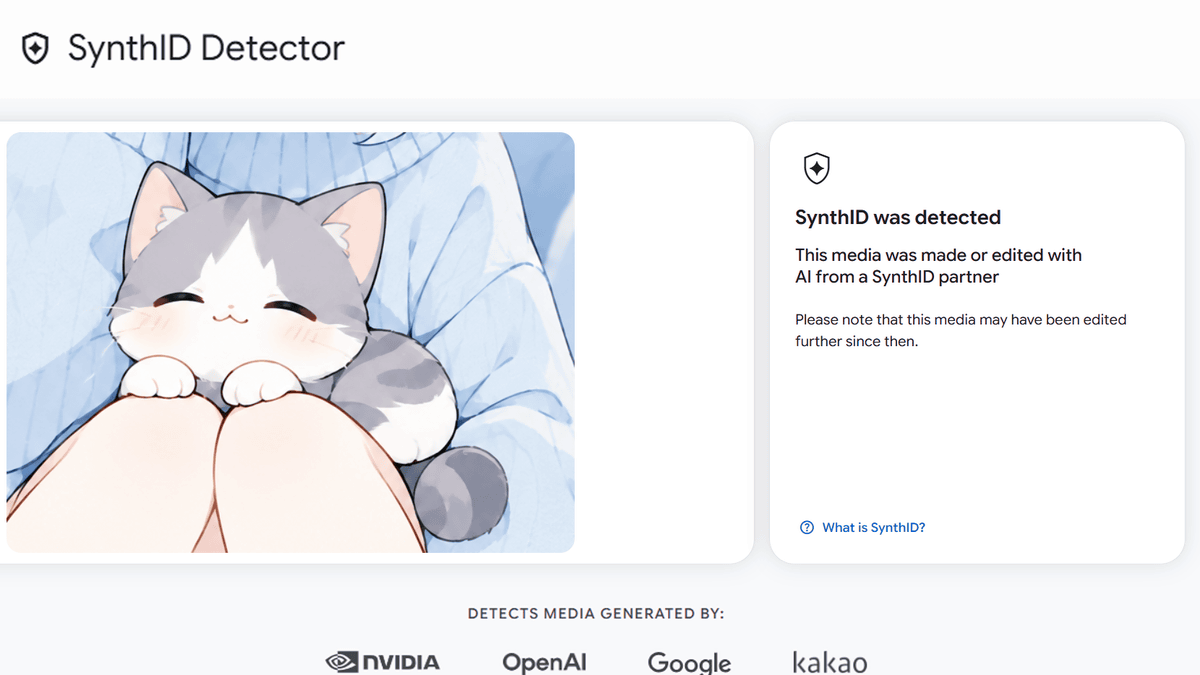
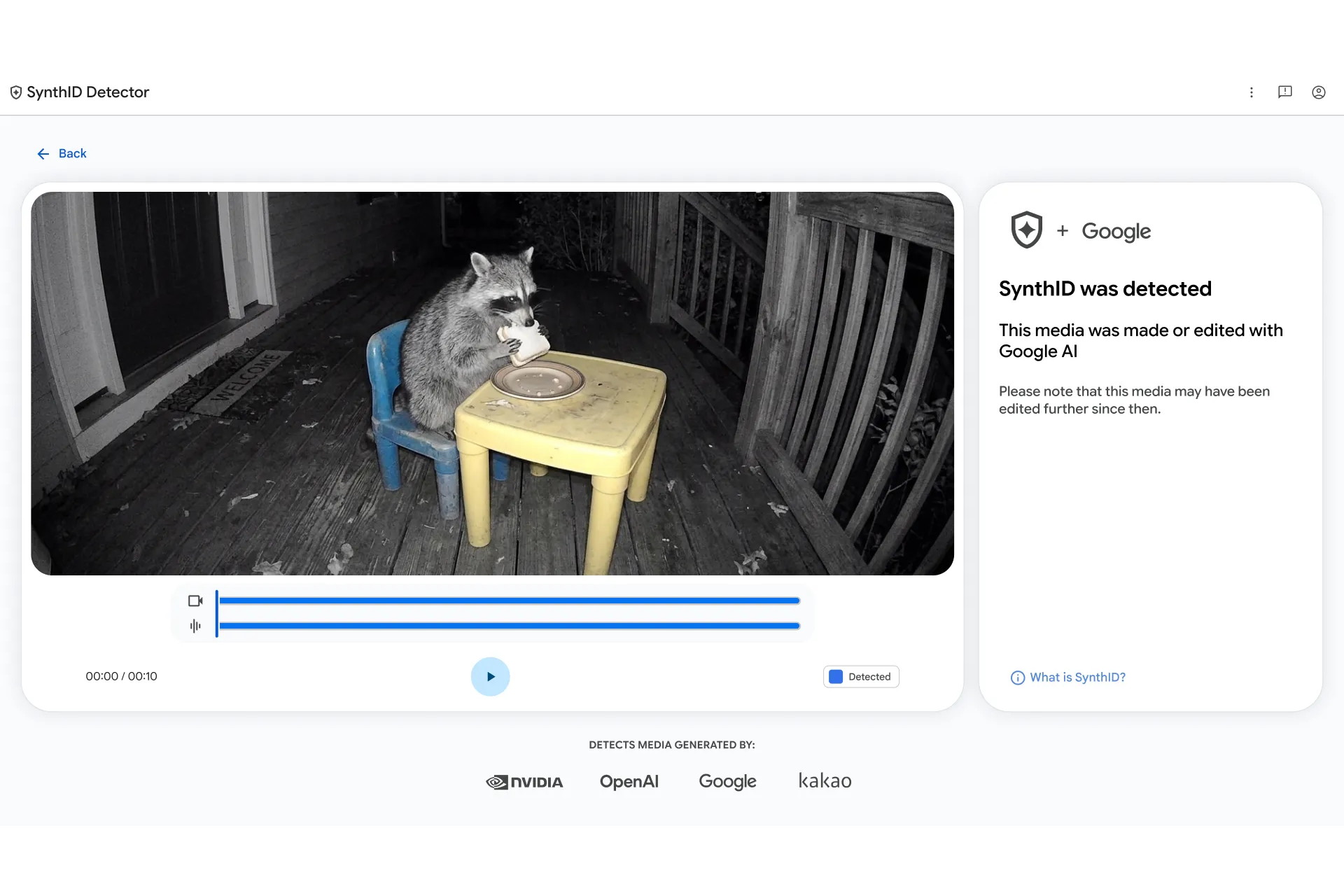
Google publicly launched SynthID Detector on October 7, a website where you upload images, video, or audio to…
MSI Computer Japan began taking pre-orders on October 8 for the Prestige N16 Flip AI+ C1XM, a premium AI lapto…

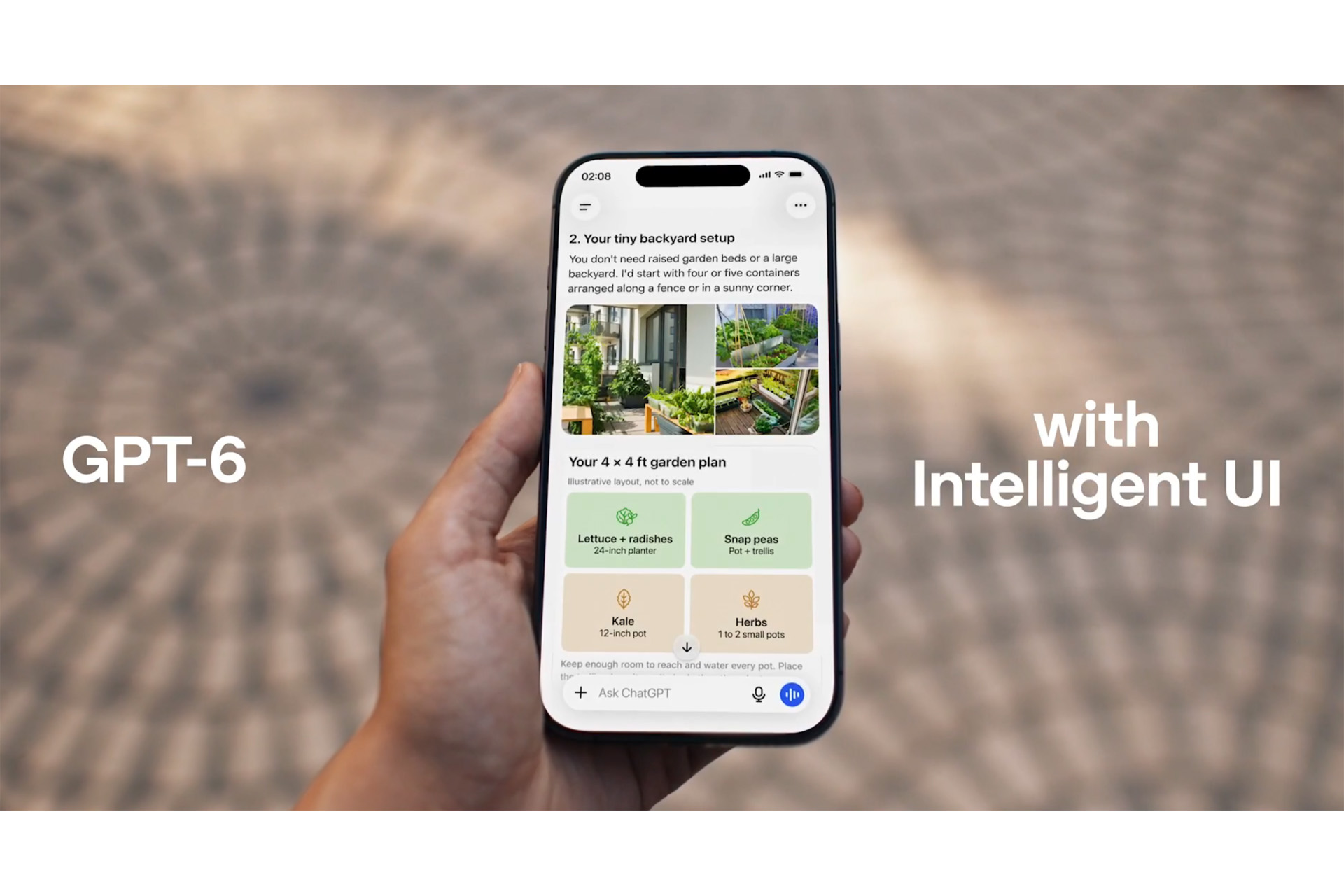
OpenAI added GPT-6 and a new interactive interface, Intelligent UI, to ChatGPT's chat tab, starting a global r…
Google released SynthID Detector worldwide in English, letting anyone check whether images, videos, or audio c…
On October 5, Liquid AI published the weights of its decision-focused model d1-3B on Hugging Face, and a Japan…

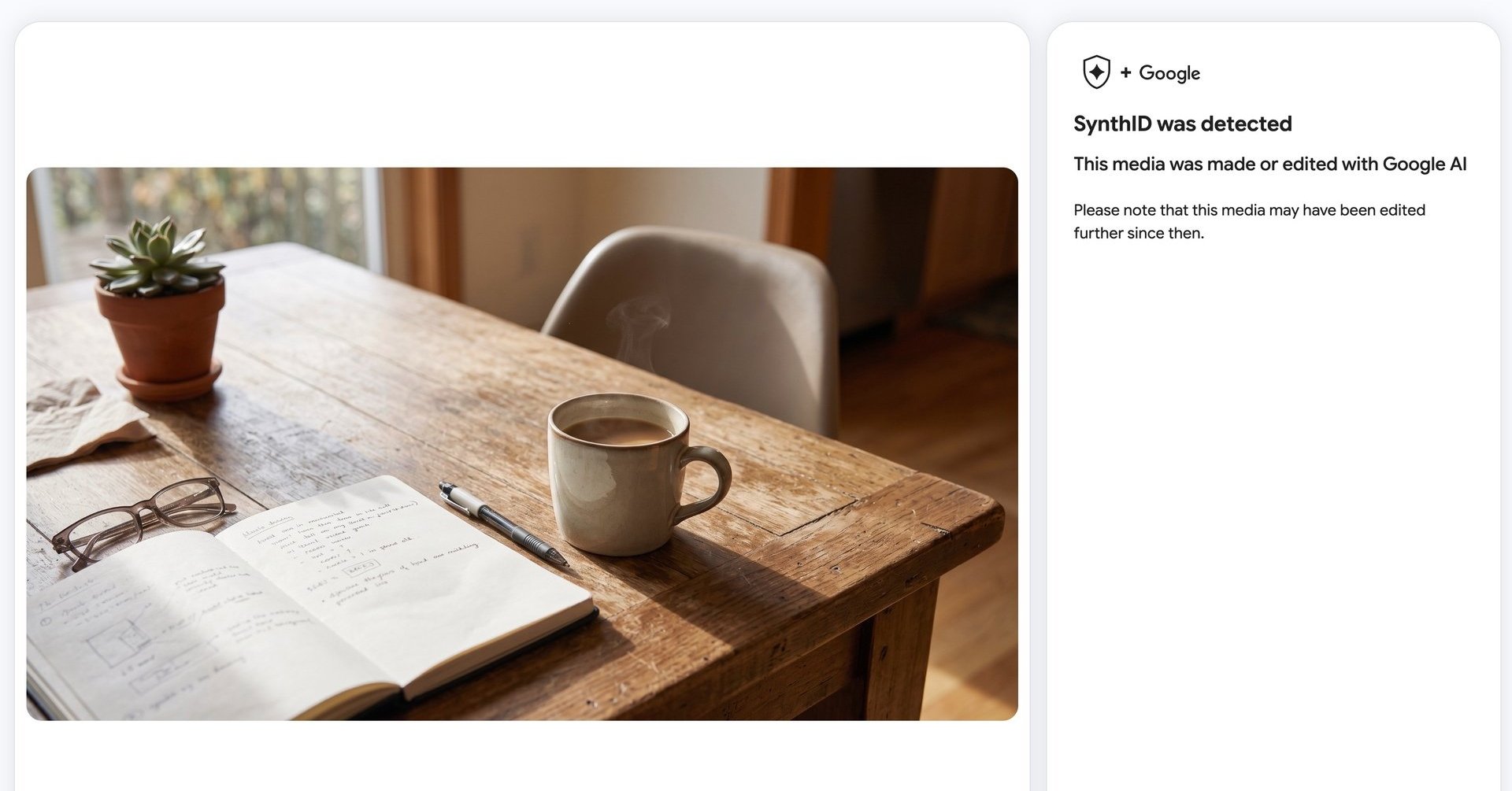
Google said on October 7, 2026 that SynthID Detector is now available worldwide in English, after limited test…