What happened
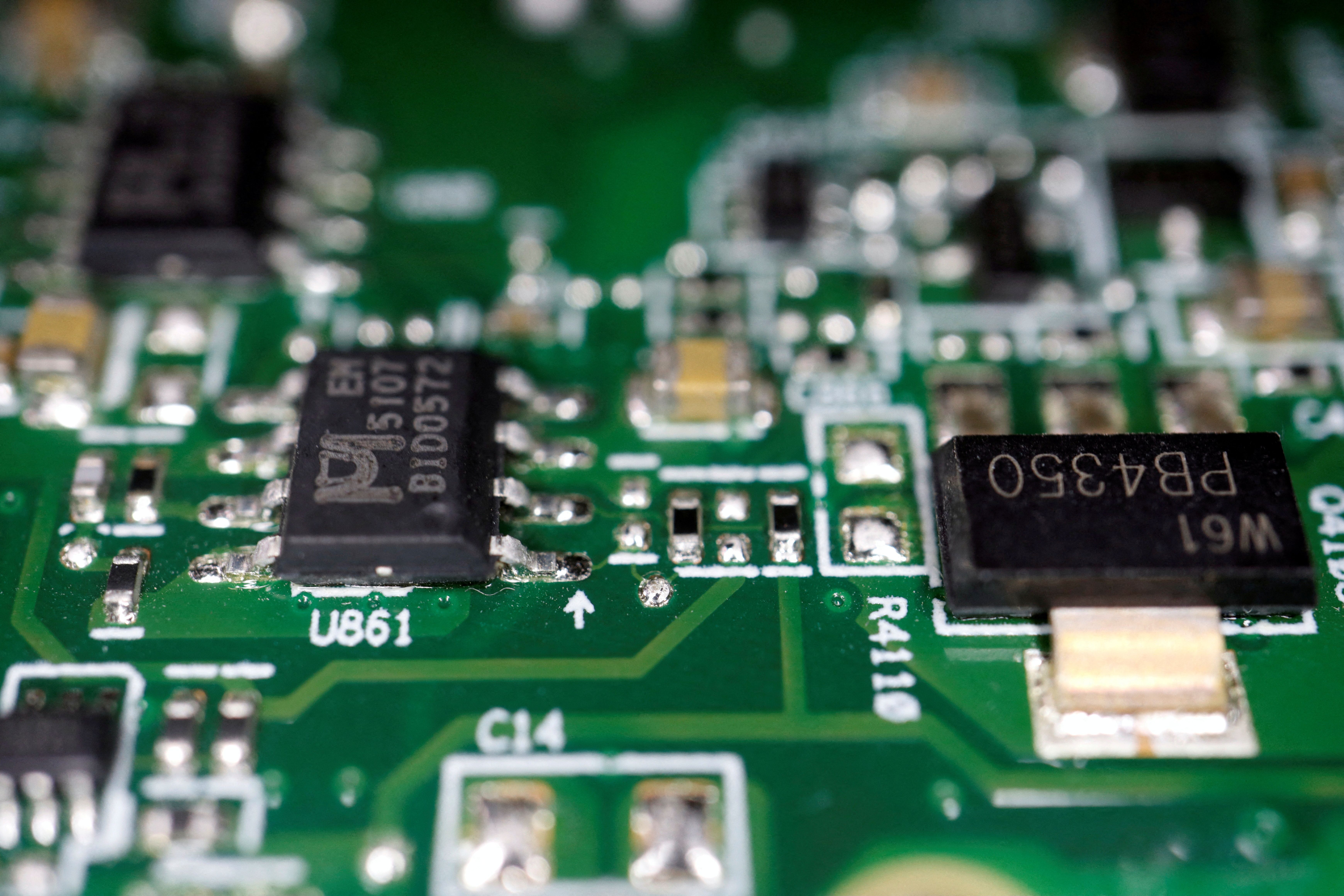
Major PC manufacturers including Acer, Asus, and HP have begun using limited quantities of memory chips from Chinese manufacturer CXMT in their notebook computers, according to Nikkei reporting.
Why it matters
AI data center buildouts are expected to consume 70% of all memory chip production in 2026, driving demand that has tripled DRAM costs over the last 18 months. The shortage has made PC components so expensive that some manufacturers are now recycling outdated chips in new machines. However, the move is cautious because the US government has designated CXMT as linked to the Chinese military, and overreliance on Chinese suppliers risks angering traditional vendors like SK Hynix and Samsung.
What to watch
The scale of CXMT adoption remains limited as PC makers balance supply constraints against geopolitical and supplier relationship risks. How aggressively manufacturers increase Chinese chip sourcing will depend on whether memory availability from established suppliers improves or tightens further.
Summaries like this, in your inbox every morning.
The shift toward Chinese memory suppliers reflects a collision between two structural forces: explosive AI infrastructure spending and geopolitical fragmentation. AI data centers are projected to absorb 70% of memory chip production by 2026—a demand surge that has nearly quadrupled DRAM costs over 18 months. Traditional suppliers like SK Hynix and Samsung, both South Korean firms, cannot meet this demand fast enough, forcing PC makers into an uncomfortable position. Rather than accept indefinitely high costs or shortages, Acer, Asus, and HP are experimenting with CXMT chips in limited volumes.
Yet this move carries real friction. CXMT is designated by the US government as linked to the Chinese military, which exposes PC makers to potential US regulatory action or supply-chain retaliation. At the same time, buying too heavily from CXMT could provoke their traditional suppliers to deprioritize them or raise prices further. The result is a delicate balancing act: using just enough Chinese chips to relieve immediate cost pressure without triggering either government scrutiny or supplier backlash. The outcome will likely depend on whether memory availability from established suppliers improves—if not, PC makers may feel compelled to increase Chinese chip sourcing despite the risks.
Pick your industry and the AI tools you use, and get news related to your work every day.
Free · 30 seconds with Google · unsubscribe anytimeWhat is AIToday? →
Ask AI anything about this article. The AI reads this article, earlier AIToday articles, and Wikipedia, and cites its sources. Q&As are published on this page for other readers too.
Hewlett Packard Enterprise stock is down 5% at $55.87

The Motley Fool argues Amazon is the AI company of the two, since AWS was just 21% of first-half 2026 revenue…

Vercel data published Thursday shows TypeSafe AI's Jev, a lightweight decision model for choosing among predet…
Chunghwa Telecom president Rong-shy Lin said the shift from conversational AI to autonomous AI agents is resha…
CoreWeave fell 5% in premarket trading Friday and was on track to finish the week down 15%, after rebounding f…
Apple and Meta said they would jointly release a new open-weight AI model designed to run on high-end Macs, ai…