What happened
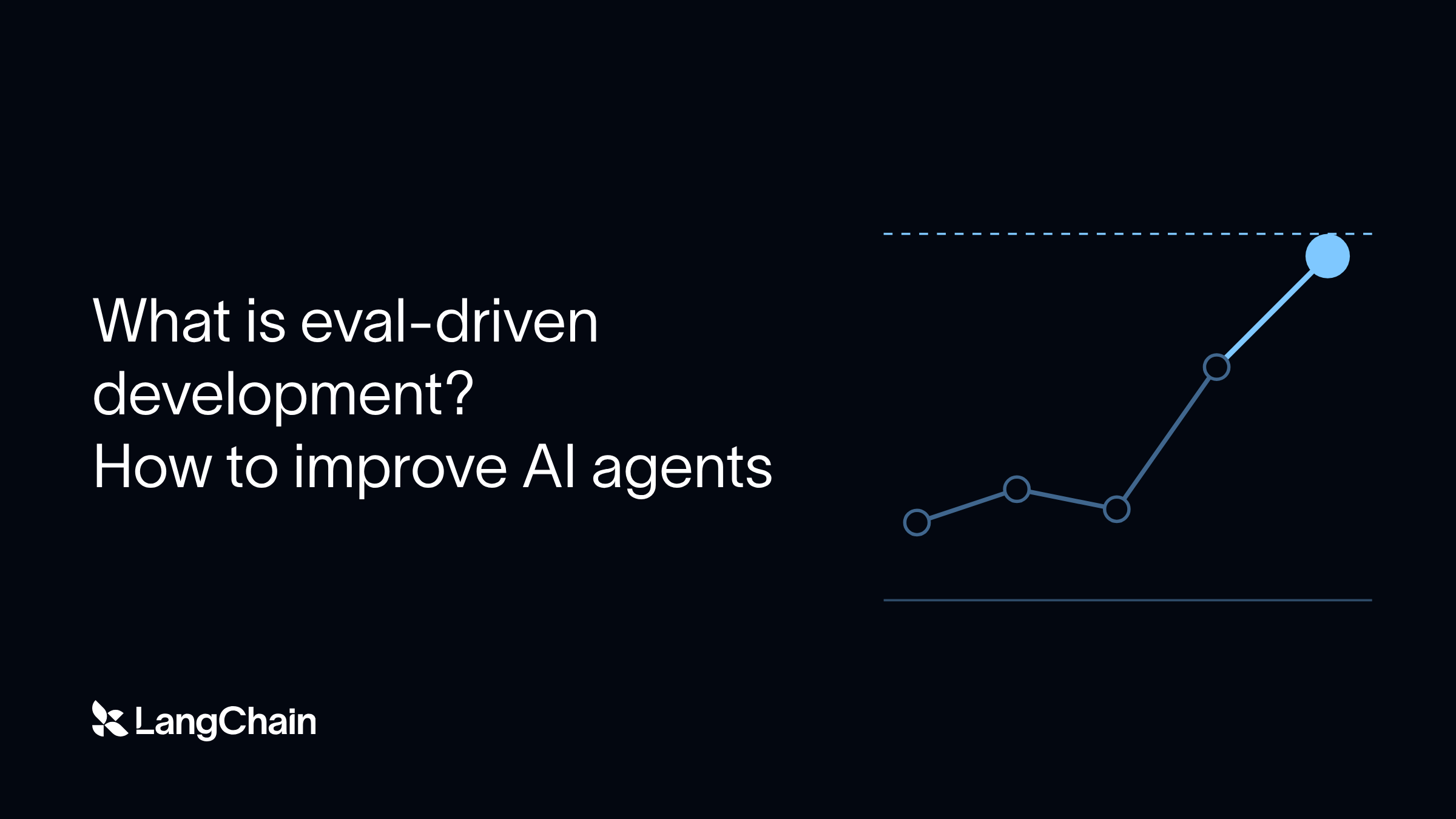
LangChain published a guide to eval-driven development, a three-step loop — define what good looks like, write the eval before you build, then make your change and compare — and says it used the method on its most advanced agents.
Why it matters
By scoring agent runs against a consistent dataset before building, teams get objective evidence of whether a change improved the agent or broke existing behavior, rather than judging by hand as errors grow subtler.
Summaries like this, every morning.
LangChain frames the problem in familiar terms: hand-testing a prompt works at first, but as an agent grows it becomes hard to tell whether the latest change helped or hurt. Its answer borrows the discipline of test-driven development, adapted because agents are non-deterministic — the same question can get a different answer, and more than one answer can be right.
The guide's worked example is an internal docs agent adding a create_ticket tool. After the tool is built, the average score rises, but a how-to question about VPN connection starts filing a ticket instead of searching the docs. The trace points to a tool description that is too broad; narrowing it to requests needing IT action gets every example passing.
LangChain also warns that a perfect score on a small dataset is not always the target, since tuning against the same examples can overfit. It suggests automation — fast checks on pull requests, slower LLM-judge evals nightly or before release — plus production-time scoring of live traces, annotation queues, and dashboards to catch regressions after shipping.
Pick your industry and the AI tools you use, and get news related to your work every day.
Free · 30 seconds with Google · unsubscribe anytimeWhat is AIToday? →
Ask AI anything about this article. The AI reads this article, earlier AIToday articles, and Wikipedia, and cites its sources. Q&As are published on this page for other readers too.
AT&T is rebuilding its network for the AI and autonomous era, Fierce Network reported

IBM plans to bring Anthropic's Claude Mythos cyber reasoning into IBM Concert Protect, combining AI code scann…

Apple's CEO is pressing the company's software chief to pursue a more ambitious AI strategy, Bloomberg.com rep…

PKSHA Technology CEO Katsuya Uenoyama said after 14 years of AI deployments at over 4,800 companies, replaceme…
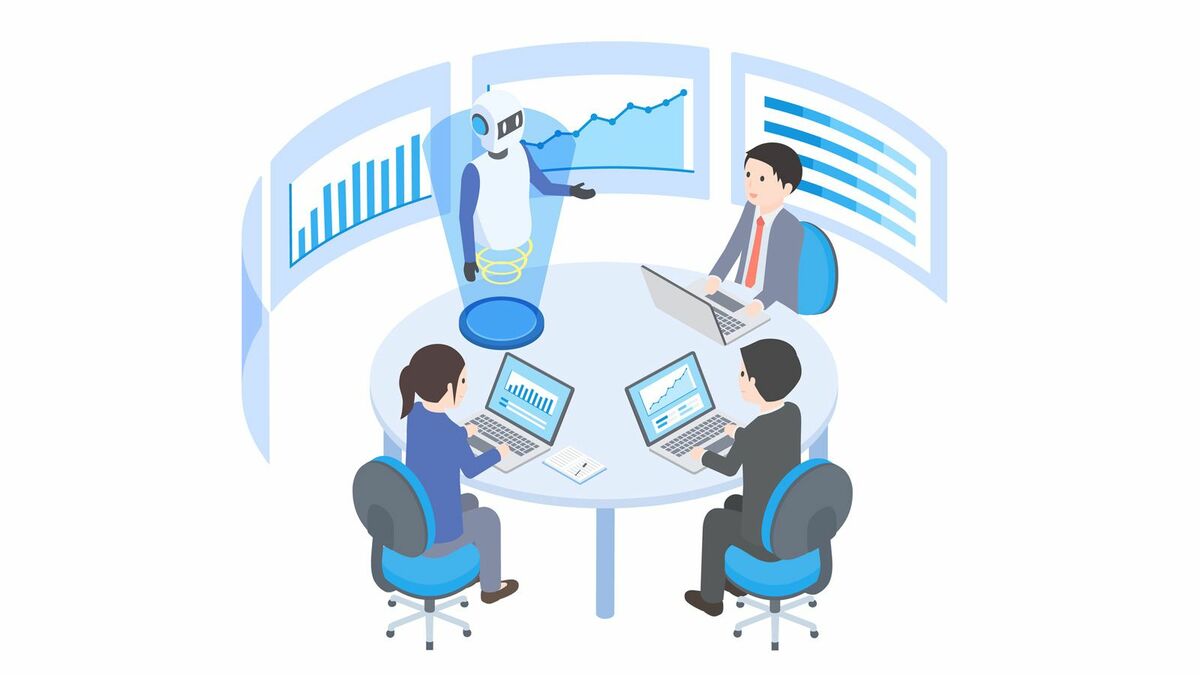
Mizuho Financial Group is deploying about 3,000 AI agents and assigning roughly 100 people to business departm…

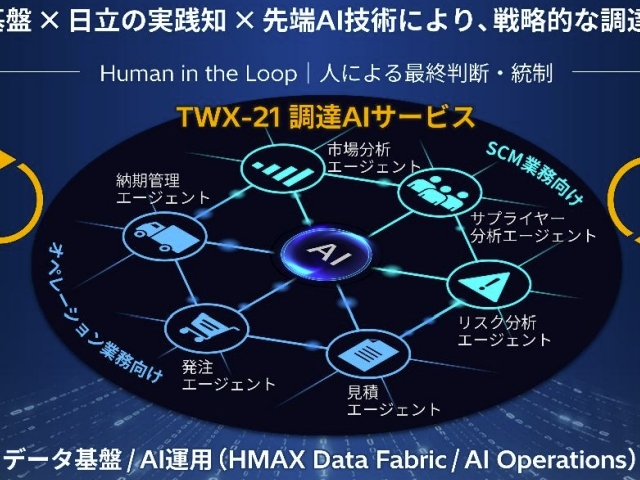
Hitachi released "TWX-21 調達 AI サービス" on 11月9日, sold under its HMAX Industry brand within the TWX-21 business-t…