What happened
Google released Gemini 4 Argon on Tuesday, claiming it matches or beats flagship OpenAI and Anthropic models, and priced it up to 80 percent below rivals during its introductory period. Meta unveiled Muse Wonder Full on Monday, saying it competes with GPT-6 Astra, Claude Opus 5.5, and Claude Fable 5.1 on numerous benchmarks.
Why it matters
Until this week, Anthropic and OpenAI looked like they had the race to themselves, with Google stuck on incremental improvements and Meta never a serious frontier contender. Both now claim frontier-level models, and their deep pockets and products used by billions of people give them advantages OpenAI and Anthropic cannot match.
Summaries like this, in your inbox every morning.
The shift caps a period in which Anthropic and OpenAI looked like they had the AI race to themselves. Google's last major release, Gemini 3, launched late last year and was formidable at the time, but its lead was fleeting and it struggled against later models from OpenAI, Anthropic, and even open-weight models out of China. A series of internal shake-ups reinforced the impression Google was stepping back: Jeff Dean left with other AI researchers to launch a startup, Demis Hassabis stepped back from day-to-day leadership of DeepMind, and other AI teams were moved out of DeepMind into Google proper, signaling a center of gravity shifting from London toward California.
Meta's path was different. It had never really established itself at the frontier despite trying, and last year it began an expensive overhaul of its AI operations, spending billions on talent and infrastructure, including Scale AI and its cofounder Alexandr Wang. Its Superintelligence Labs released Muse Spark in April — impressive, but not quite frontier. Muse Wonder Full, unveiled Monday, is the model Meta says finally reaches that level. Google's Tuesday release of Gemini 4 Argon, with aggressive per-token pricing, answered the same question in a single week.
The two companies' return changes the shape of the competition. Both have deep pockets and vast ecosystems of products used by billions of people, advantages OpenAI and Anthropic cannot match, as Meta's Muse agent assistant shows. At the same time, the drive to develop ever more powerful models is becoming increasingly fraught, with safety concerns and rogue AI incidents fueling louder calls to slow development, and open models improving. That suggests raw performance alone may no longer be enough to hold a lead for long.
Pick your industry and the AI tools you use, and get news related to your work every day.
Free · 30 seconds with Google · unsubscribe anytimeWhat is AIToday? →
Ask AI anything about this article. The AI reads this article, earlier AIToday articles, and Wikipedia, and cites its sources. Q&As are published on this page for other readers too.
Nebius' Q2 revenue rose 454% year over year, and analysts expect Q3 and Q4 growth of 519% and 540% year-over-y…

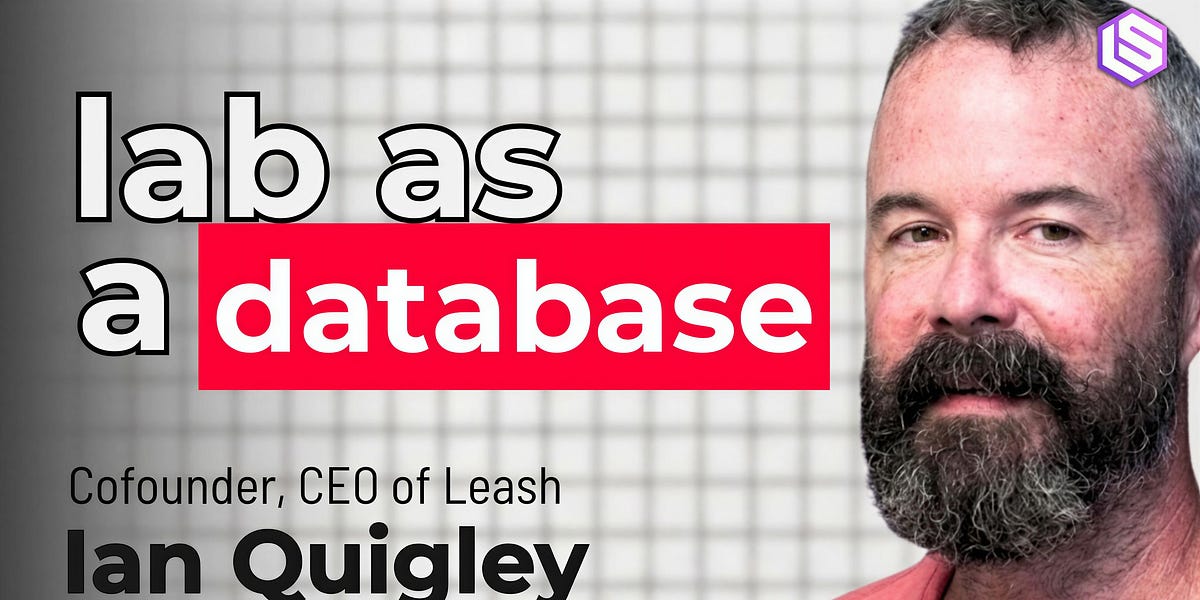
Leash Bio's Ian Quigley teased an AI playground for agents to do verifiable scientific reasoning, discovering…
Google Deepmind's Haydn Belfield says AI drives no measurable acceleration in AI research
Nvidia CEO Jensen Huang told Fortune the pope is "asking all the right questions," after Pope Leo XIV said AI-…

Kroger plans to eliminate about 3,000 corporate roles over the next three years while expanding its use of AI…

In its June 30, 2026 service availability update, AWS said nine SageMaker AI features, Amazon Bedrock Agents (…


