What happened
Caltech Professor Anima Anandkumar developed FourCastNet, an open-source AI weather model that rivals traditional physics simulations, using consumer-grade GPUs within a year.
Why it matters
Weather and other large physical systems were previously thought too chaotic for AI, but Anandkumar's Neural Operators technique combines data and physical laws, enabling accurate short-term forecasts and faster simulations of fusion plasma disruptions.
What to watch
Anandkumar aims to build a 'foundation model for physics' that spans many phenomena, though progress will be slower than token-based AI due to limited datasets and the need for structural priors.
Summaries like this, in your inbox every morning.
Anima Anandkumar's work challenges the assumption that AI needs massive datasets and compute. For physical systems like weather, data is scarce and context lengths would be astronomically large, so she developed Neural Operators to embed physical laws into the model. This allows her weather model to run stably for months, and fusion predictions to be a million times faster. Her appointment to the UN Scientific Advisory Board suggests growing recognition of AI's role in science policy. The episode also highlights TorchLean, a framework for verifying neural networks, which could be crucial for safety-critical applications like fusion reactors.
Pick your industry and the AI tools you use, and get news related to your work every day.
Free · 30 seconds with Google · unsubscribe anytimeWhat is AIToday? →
Ask AI anything about this article. The AI reads this article, earlier AIToday articles, and Wikipedia, and cites its sources. Q&As are published on this page for other readers too.
Apple and Meta said they would jointly release a new open-weight AI model designed to run on high-end Macs, ai…
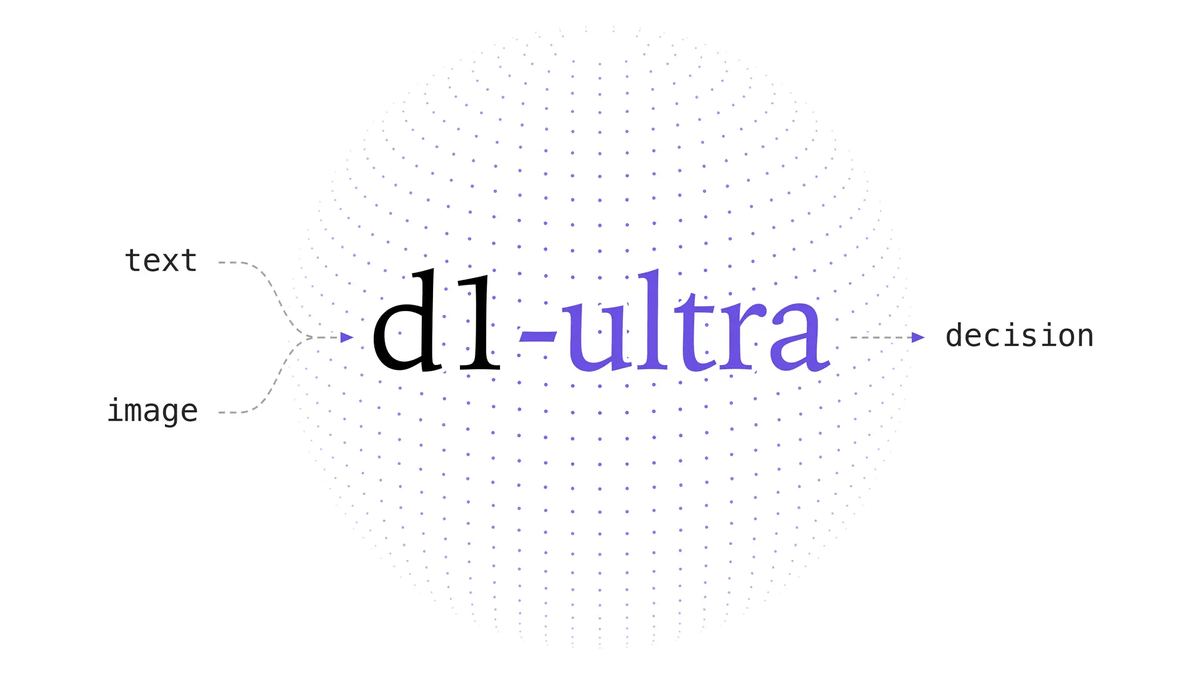
Liquid AI released d1-ultra on October 15, 2026, an upgraded open-weights decision model that averaged 76.7 ac…
NVIDIA released Nemotron 3.5 Super VL, an open-weight model with 120 billion parameters that handles text, ima…

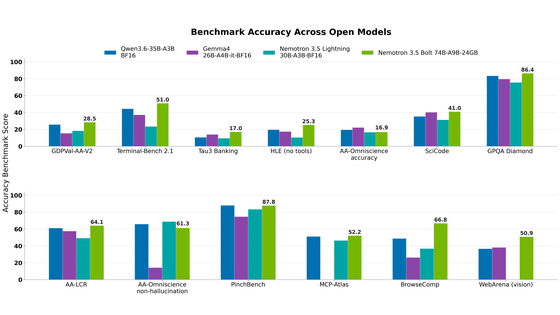
NVIDIA released Nemotron 3.5 Bolt 74B-A9B 24GB, an AI model for local agents that hits over 80 tokens per seco…
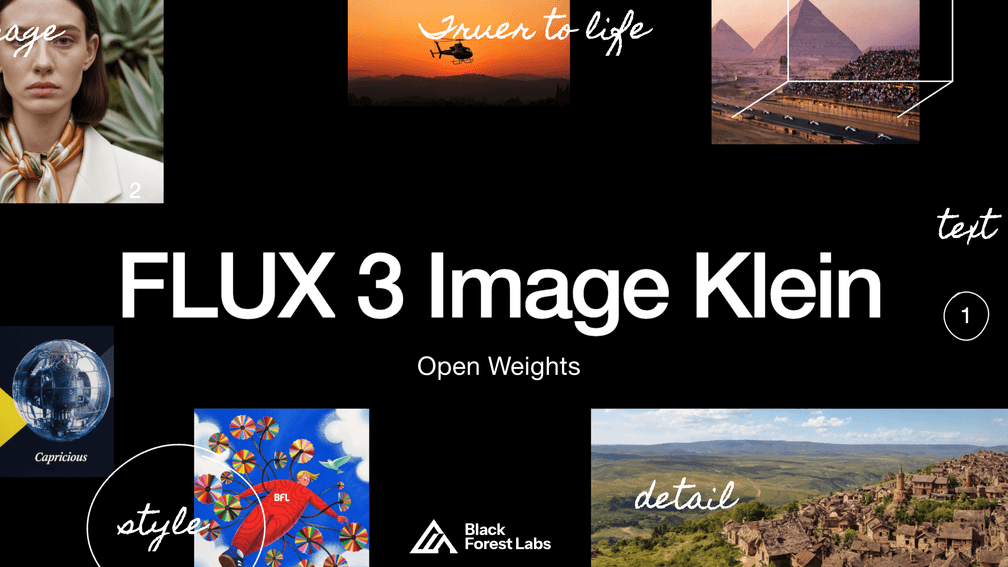
Black Forest Labs released FLUX 3 Image Klein as open weights on October 15, 2026 — a 5.6B-parameter model for…
PrismML released Ternary Bonsai 2 2B, 4B and 9B on October 15, 2026, remade from Qwen3.5 to process in three v…