What happened
SpaceX's AI revenue grew more than three times to $2.6 billion from the year before, driven by deals with Anthropic in May and Google in June to provide compute capacity. The AI division lost $1.5 billion this quarter, slightly less than the same quarter last year.
Why it matters
SpaceX identified its AI division as the source of most of its value in documents filed for going public, positioning the company as a competitor to other compute providers like CoreWeave. The push into AI is part of a broader strategy to fund Elon Musk's plans for data centers in space, though the division remains deeply unprofitable.
What to watch
SpaceX's capital expenditures reached $18.37 billion this quarter. The company has launched 20 of the heavier satellites needed for Starship deployment, but the timeline for full deployment of 60 satellites at once remains unclear. Starlink, the only currently profitable part of SpaceX, depends on Starship's ability to launch these satellites.
Summaries like this, in your inbox every morning.
SpaceX's AI revenue surge reflects the company's pivot into compute provision, a market segment that has attracted significant capital amid the race to build large-scale infrastructure for AI workloads. The deals with Anthropic and Google position SpaceX alongside established cloud providers and newer "neocloud" competitors like CoreWeave, all competing for a share of AI compute demand. However, the division's continued large losses—even as revenue tripled—underscores the capital-intensive nature of the business and the long timeline before profitability.
The company's broader strategy ties AI investment to Starship development, which SpaceX sees as essential to its connectivity business. Starlink is currently the only profitable division, and its expansion hinges on Starship's ability to launch heavier satellite versions. SpaceX has already manufactured and launched 20 of these satellites, but the full deployment cadence (60 satellites at once) remains uncertain. The $389 million year-over-year increase in space division spending reflects the costs of developing Starship to meet this demand, illustrating how SpaceX is attempting to connect near-term AI revenue with long-term infrastructure ambitions.
Pick your industry and the AI tools you use, and get news related to your work every day.
Free · 30 seconds with Google · unsubscribe anytimeWhat is AIToday? →
Ask AI anything about this article. The AI reads this article, earlier AIToday articles, and Wikipedia, and cites its sources. Q&As are published on this page for other readers too.
In Q2, billionaires or their funds sold six 'Magnificent Seven' AI stocks
Nvidia was rising early Friday, even as the wider chip sector kept falling, Barron's reported
ElevenLabs completed a $300 million employee tender at a $22 billion valuation, and co-founder Mati Staniszews…

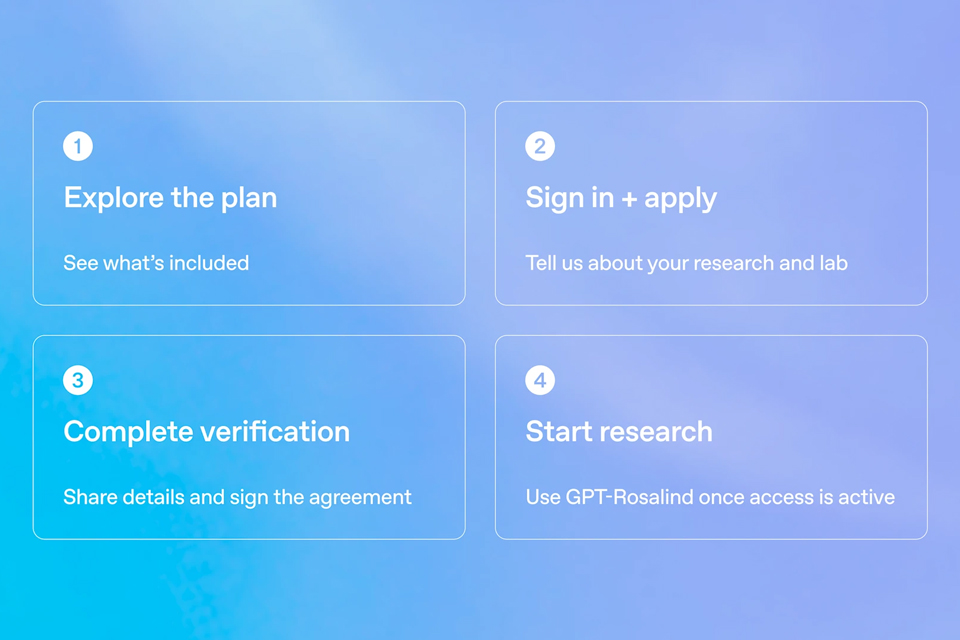
On October 15, OpenAI announced the Rosalind Academic Plan, giving approved US university labs free access to…
Neostellar Capital principal Evan Schlossman said CoreWeave's $103.7 billion in remaining performance obligati…
A Qiita article compared automated red-teaming methods for LLM apps — GCG, PAIR, and TAP — using mock implemen…