Audio-Interaction, created by researchers from China, Hong Kong, and Singapore, processes continuous audio streams and outputs either <silent> or <response> tokens after each 0.4-second chunk, enabling the model to stay quiet or begin speaking based on context. The system handles translation, transcription, dialog, and reactions to everyday noises in a single model.
The team built StreamAudio-2M, a training dataset with 2.6 million units and about 302,000 hours of audio across seven skill areas and 28 subtasks, by having a language model design realistic scenarios, sourcing matching clips from a database or generating missing sounds with audio models like AudioX or ElevenLabs, then smoothing recordings for naturalness.
Audio-Interaction scored 58.15 points on the audio benchmark MMAU, narrowly beating its base model Qwen2.5-Omni-3B, and comes close to much larger 7B models. On the ProactiveSound Bench with 644 human-curated events, the model outperforms Gemini 3 Flash, Kimi-Audio-Instruct, and Step-Audio 2.
Code and weights are available on GitHub under the Apache 2.0 license with no restrictions on commercial use; the full training dataset is set to follow later.
Summaries like this, in your inbox every morning.
Pick your industry and the AI tools you use, and get news related to your work every day.
Free · 30 seconds with Google · unsubscribe anytimeWhat is AIToday? →
Ask AI anything about this article. The AI reads this article, earlier AIToday articles, and Wikipedia, and cites its sources. Q&As are published on this page for other readers too.
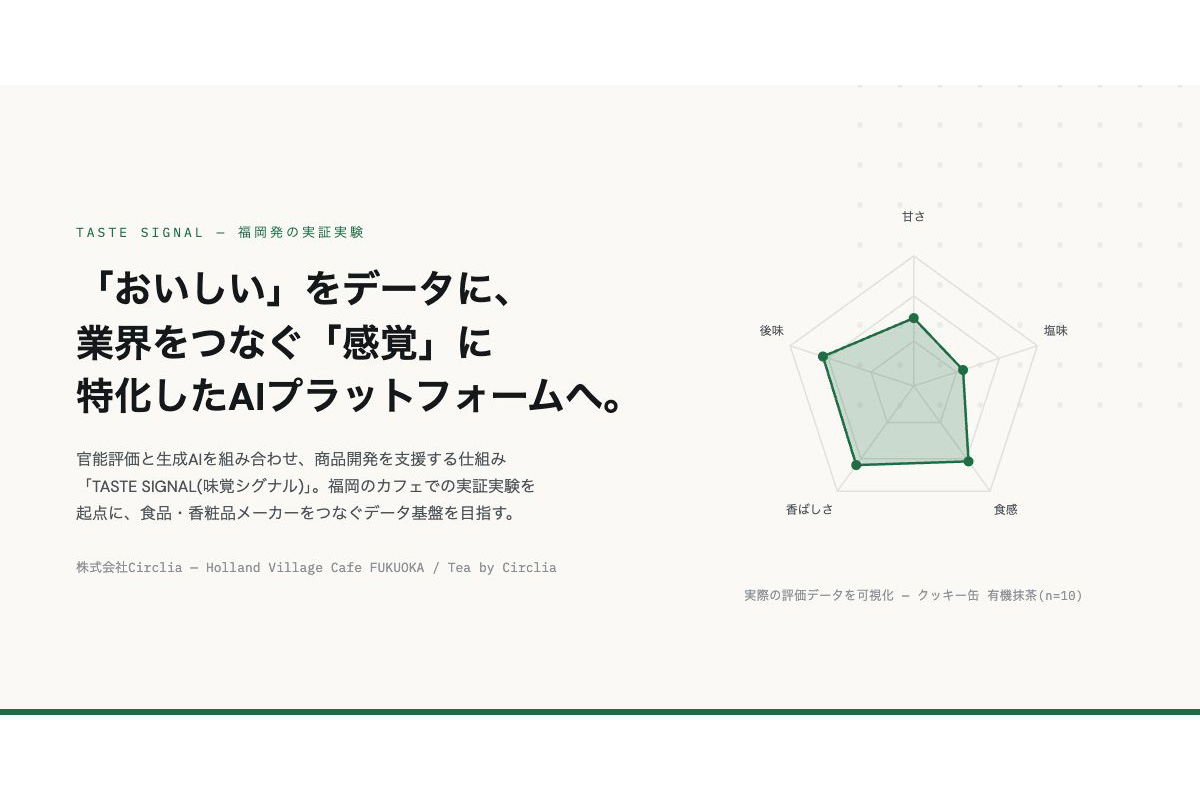
Circlia started a proof-of-concept for TASTE SIGNAL: visitors to Holland Village Cafe FUKUOKA taste cookies an…
In a webinar hosted by French Mathematical Society president Isabelle Gallagher, Fields Medal winner Hugo Dumi…

NVIDIA released Nemotron 3.5 Super VL, an open-weight model with 120 billion parameters that handles text, ima…

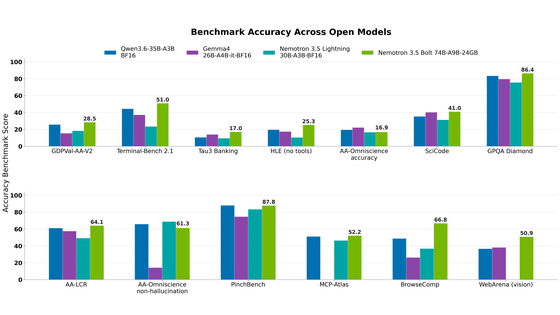
NVIDIA released Nemotron 3.5 Bolt 74B-A9B 24GB, an AI model for local agents that hits over 80 tokens per seco…
NVIDIA published a blog post titled "AI Security Is an Engineering Problem - How to Solve It at Every Layer of…

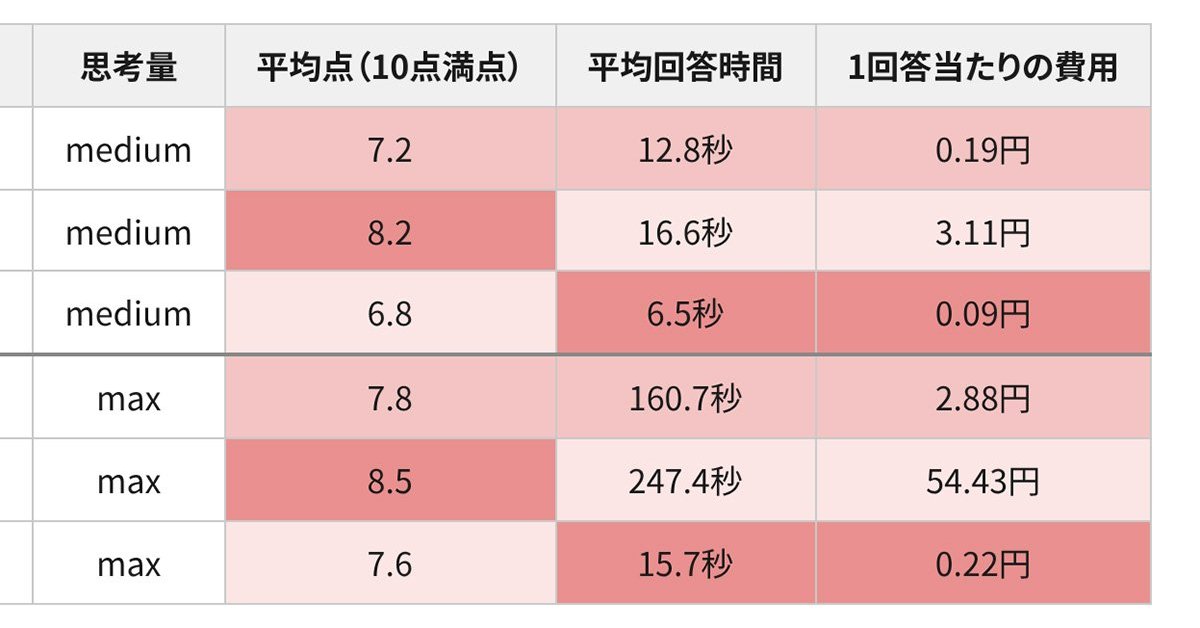
In the test, Haiku 5.5 on medium setting averaged scores close to Sonnet 5.5 on routine documents at about 1/1…