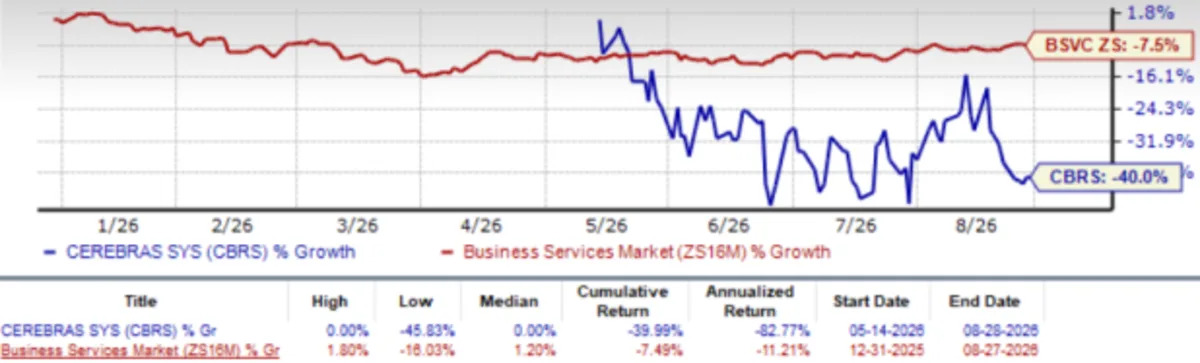
What happened
Cerebras Systems is expanding its data centers outside the US, with facilities in France, Finland, Norway, and several Canadian provinces. It has secured over 600 megawatts of capacity, live or contracted by end of 2027.
Why it matters
This move strengthens Cerebras' ability to compete with NVIDIA and Microsoft in the global AI infrastructure market. International markets already contribute significantly, with the Mohamed bin Zayed University of AI accounting for 34% of Q2 2026 revenues and 49% in H1 2026.
What to watch
Cerebras expects manufacturing capacity to grow more than 10-fold in 2026. Its AI inference services are expected to become generally available via Amazon Bedrock in Q1 2027, potentially broadening its reach.
Summaries like this, in your inbox every morning.
Cerebras' expansion into Europe and Canada is a strategic move to bring AI compute closer to customers, addressing the rising demand for high-speed inference. The company's infrastructure, which does not require gigawatt-scale sites, allows flexibility in choosing locations, unlike traditional training clusters. This approach broadens its addressable market and positions it to compete with larger players like NVIDIA and Microsoft.
The revenue contributions from international customers, particularly the Mohamed bin Zayed University of AI, underscore the importance of sovereign AI initiatives. These customers require more control over data and infrastructure, which Cerebras supports through on-premises, cloud, and partner-cloud offerings. The AWS collaboration, expected to go live in Q1 2027, could further expand its reach, although the $25 billion in remaining performance obligations do not yet include this partnership.
The company's manufacturing capacity increase of more than 10-fold in 2026 is a key enabler for its geographic growth, supporting the infrastructure needed for additional deals. With discussions with other hyperscalers potentially generating revenues in mid-2027 and ramping through 2028, Cerebras is positioning itself for sustained international expansion, though the full impact of these efforts remains to be seen.
Pick your industry and the AI tools you use, and get news related to your work every day.
Free · 30 seconds with Google · unsubscribe anytimeWhat is AIToday? →
Ask AI anything about this article. The AI reads this article, earlier AIToday articles, and Wikipedia, and cites its sources. Q&As are published on this page for other readers too.
In Q2, billionaires or their funds sold six 'Magnificent Seven' AI stocks

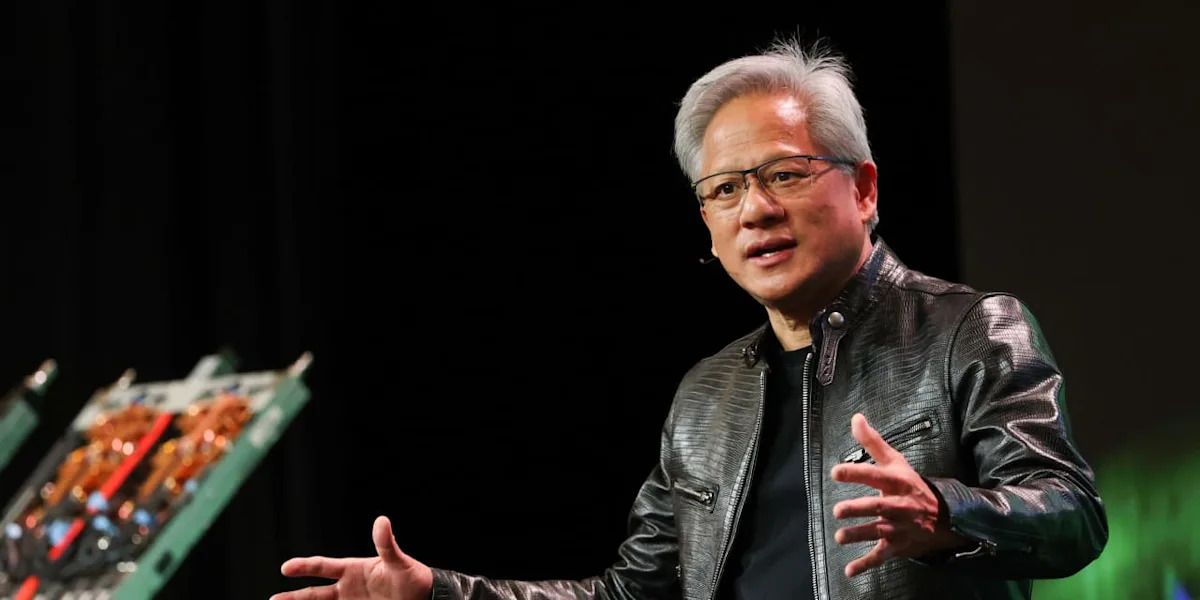
Nvidia was rising early Friday, even as the wider chip sector kept falling, Barron's reported
ElevenLabs completed a $300 million employee tender at a $22 billion valuation, and co-founder Mati Staniszews…

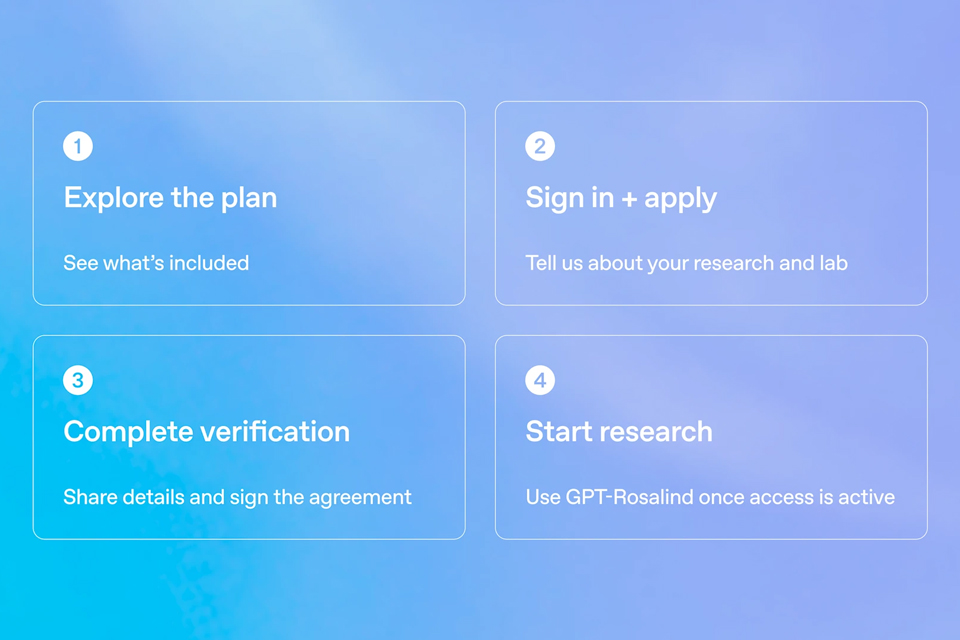
On October 15, OpenAI announced the Rosalind Academic Plan, giving approved US university labs free access to…
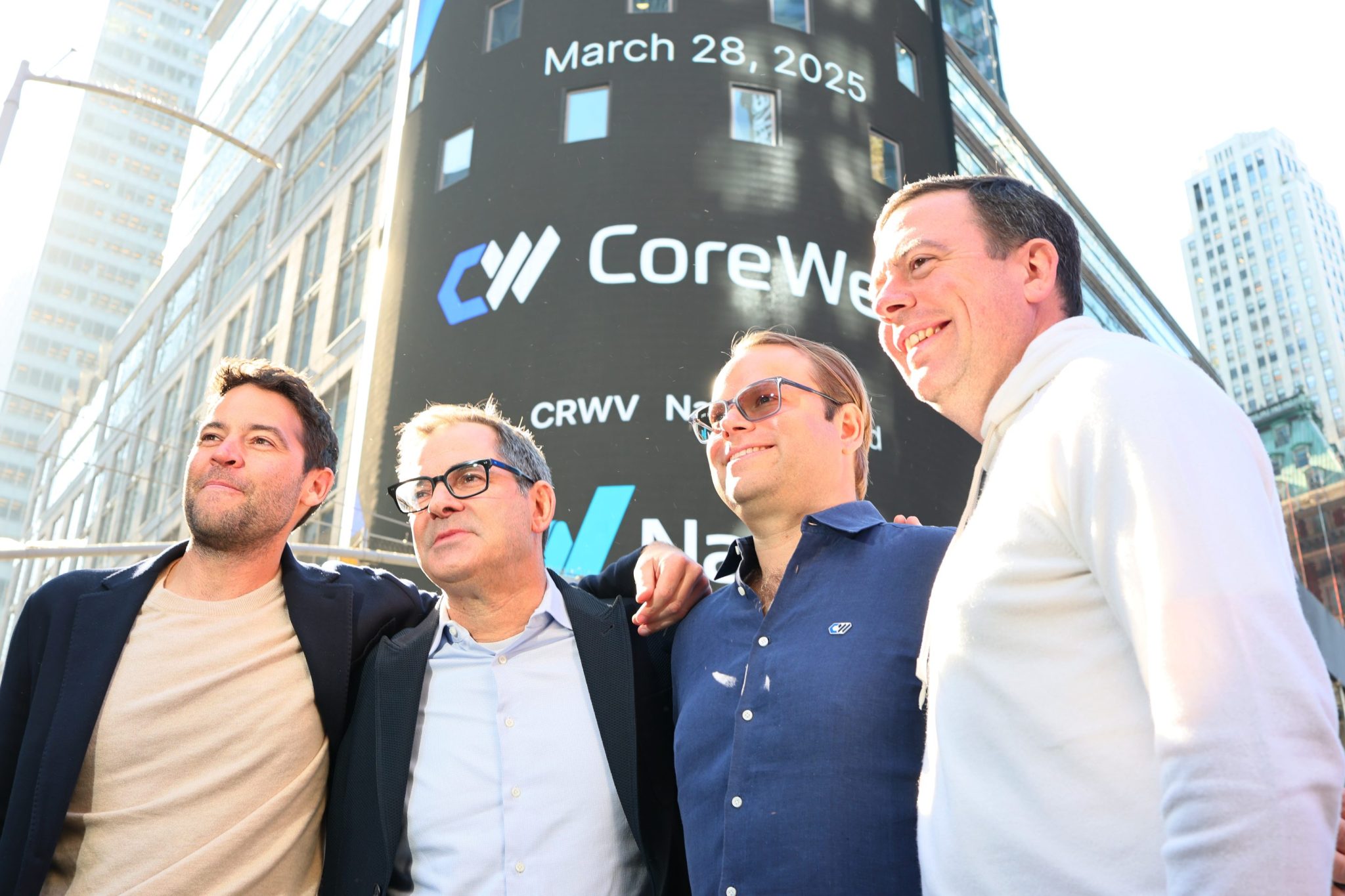
Neostellar Capital principal Evan Schlossman said CoreWeave's $103.7 billion in remaining performance obligati…
A Qiita article compared automated red-teaming methods for LLM apps — GCG, PAIR, and TAP — using mock implemen…