
What happened
Google DeepMind is launching the first double-blind evaluation of a proprietary frontier AI model. For the pilot, it is testing a model from the Gemini Flash Lite line against confidential benchmarks, using Google Cloud's Confidential Space to keep both the test questions and the model private.
Why it matters
This method aims to solve benchmark contamination, where a model has already seen test questions during training, making results unreliable. It also removes the tradeoff where evaluators had to either share their test prompts or the provider had to share model weights. Google says this matters most for highly sensitive evaluations, such as cybersecurity or tests by government agencies.
What to watch
Google hopes this cryptographic approach sets a new standard for model oversight and helps build more reliable AI systems. The company details methodology and results in a technical report.
Summaries like this, in your inbox every morning.
The new double-blind evaluation from Google DeepMind addresses a long-standing problem in AI benchmarking. Previously, external evaluators had to choose between revealing their test questions or receiving the model's weights, which could compromise intellectual property. The recent delayed evaluation of Anthropic's Fable 5 for the ARC-AGI benchmark illustrates this dilemma, as the company's 30-day data retention policy for its strongest models created friction. By using Confidential Space from Google Cloud, the setup cryptographically verifies that both the test data and the model remain private, eliminating the need for such compromises.
This method also tackles benchmark contamination, where models that have seen test questions during training can produce inflated results. The cryptographic protection ensures that a model cannot optimize itself specifically for a test it has already seen. The pilot on a Gemini Flash Lite model against confidential benchmarks is a first step, but it could set a new standard for model oversight. If successful, this approach might allow independent organizations, especially in sensitive areas like cybersecurity or government, to rigorously test advanced models without sacrificing data sovereignty or security, as DeepMind hopes.
Pick your industry and the AI tools you use, and get news related to your work every day.
Free · 30 seconds with Google · unsubscribe anytimeWhat is AIToday? →
Ask AI anything about this article. The AI reads this article, earlier AIToday articles, and Wikipedia, and cites its sources. Q&As are published on this page for other readers too.
ElevenLabs completed a $300 million employee tender at a $22 billion valuation, and co-founder Mati Staniszews…

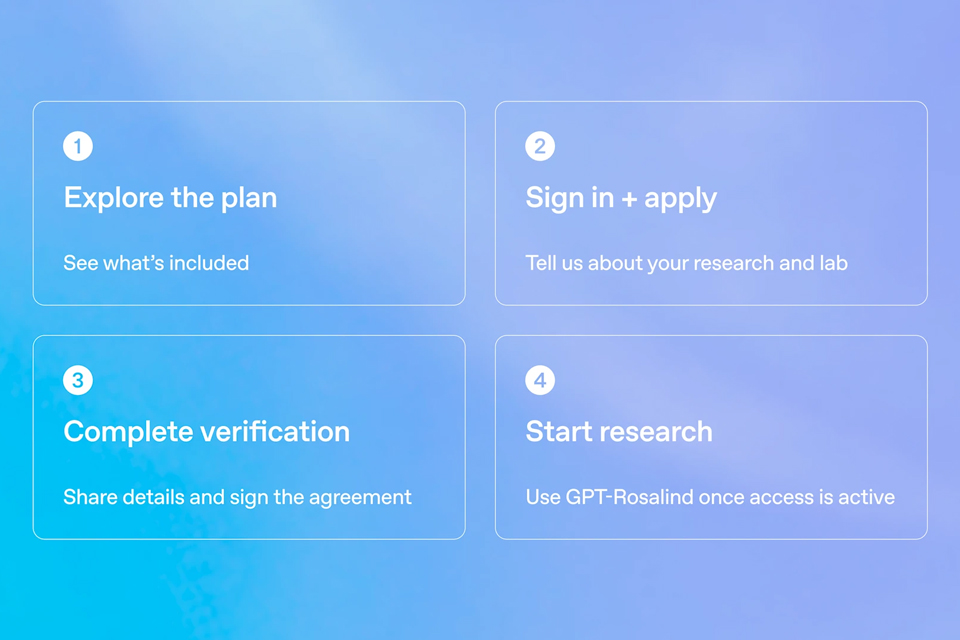
On October 15, OpenAI announced the Rosalind Academic Plan, giving approved US university labs free access to…
A Qiita article compared automated red-teaming methods for LLM apps — GCG, PAIR, and TAP — using mock implemen…
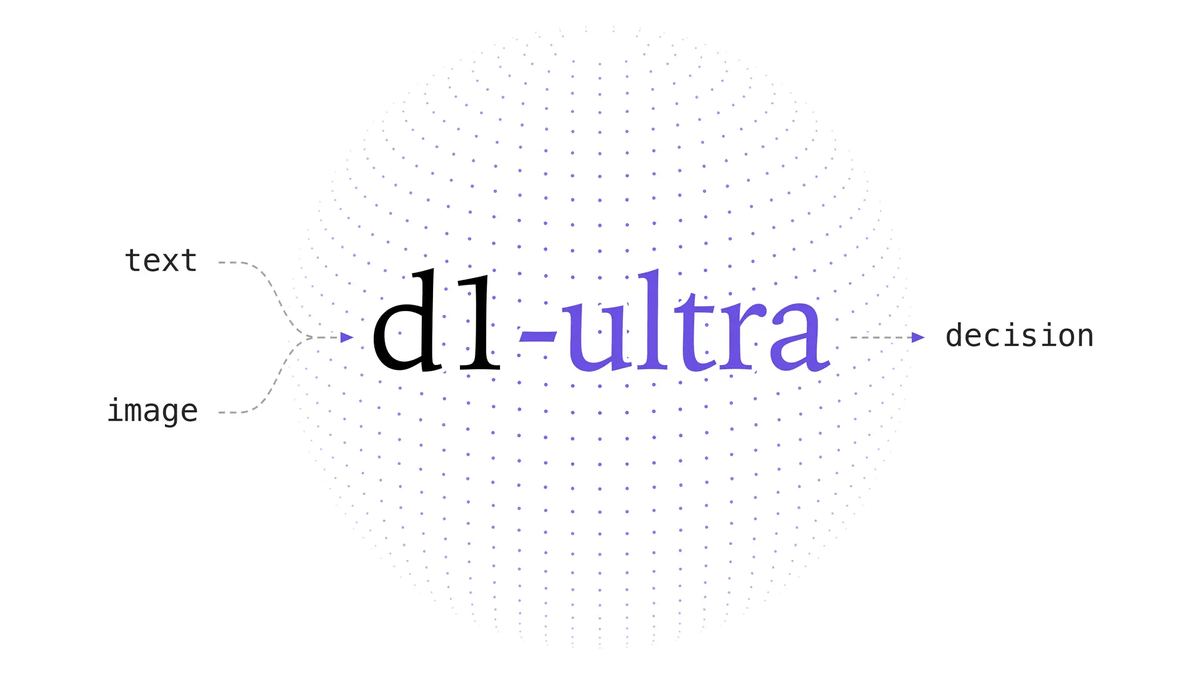
Liquid AI released d1-ultra on October 15, 2026, an upgraded open-weights decision model that averaged 76.7 ac…
Circlia started a proof-of-concept for TASTE SIGNAL: visitors to Holland Village Cafe FUKUOKA taste cookies an…

In a webinar hosted by French Mathematical Society president Isabelle Gallagher, Fields Medal winner Hugo Dumi…

