What happened
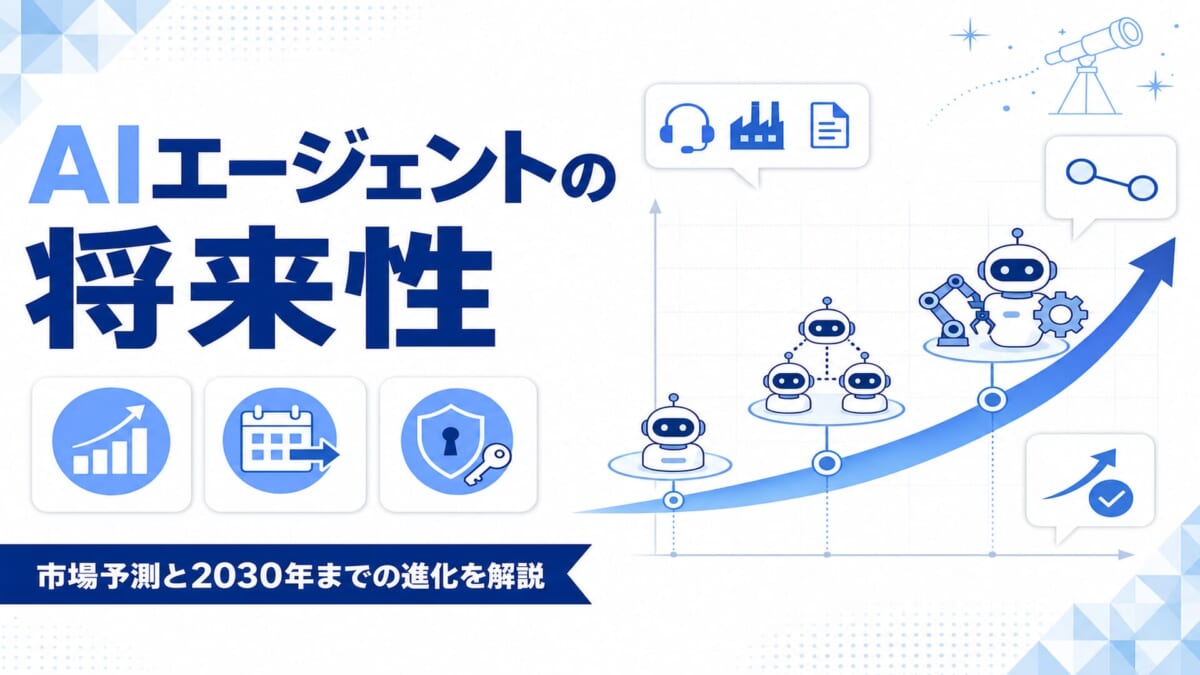
Grand View Research estimates the global AI agent market at $7.63 billion in 2025, growing 49.6% yearly to $182.97 billion by 2033, while Gartner expects over 40% of agentic AI projects to be scrapped by the end of 2027.
Why it matters
The growth figures come from market researchers, not from deployed results, so the expansion looks real but uneven — many companies are likely to spend budget on trials that never reach production.
What to watch
The outcome hinges on whether firms define measurable goals such as hours or transactions to cut before rolling agents out. Clarity of data and company rules, not technology, will decide who captures the projected growth.
WHO IT HITSCorporate AI and digital transformation teams deciding where to spend automation budgets, and back-office, accounting and customer-support managers whose tasks are being replaced first. Smaller firms may be affected through agent features added to their existing enterprise software rather than new development.
Summaries like this, every morning.
The article's case for AI agents rests on five separate supports that arrive from different directions at once: a market expanding at over 40% a year, large language models that can autonomously complete longer tasks, common connection standards, a shrinking working-age population in Japan, and development platforms from major IT vendors. None of these alone would justify confidence, but the article argues their overlap distinguishes this from a passing trend.
The connection standards are a telling example. MCP, developed by Anthropic and donated in December 2025 to the Linux Foundation's Agentic AI Foundation, and Google's A2A (announced in 2025) are backed by companies that compete with each other — Anthropic, OpenAI and Block founded the foundation, with Google, Microsoft and AWS supporting it. When rivals support the same standard, integrations stop being one-off builds.
The article's own timeline carries the tension. Gartner expects 40% of enterprise applications to embed task-specific AI agents by the end of 2026, up from under 5% in 2025, and NTT Data sees a shift from task automation to process and business automation by 2027. Yet Gartner also expects over 40% of agentic AI projects to be cancelled by the end of 2027, and estimates that only about 130 of the thousands of vendors claiming to offer agentic AI actually do.
The practical reading is that the market's direction looks settled while individual outcomes hinge on preparation: documented business rules, scoped permissions, and a defined metric for what should be cut. Companies that treat agents as another software purchase — without that groundwork — are the likeliest to land in the cancelled group, while those starting with small, measurable tasks may capture the growth first.
Pick your industry and the AI tools you use, and get news related to your work every day.
Free · 30 seconds with Google · unsubscribe anytimeWhat is AIToday? →
Ask AI anything about this article. The AI reads this article, earlier AIToday articles, and Wikipedia, and cites its sources. Q&As are published on this page for other readers too.
OneTrust launched its Fall '26 Release, built on OneTrust CORIE, adding a continuously updated AI inventory wi…

At Nikkei's "Dialogues on the Future" event on Nov 18, SoftBank Group's Masayoshi Son said passing on Anthropi…

Cassava Technologies is seeking as much as $1 billion to buy Nvidia chips, with most of the money going to dat…
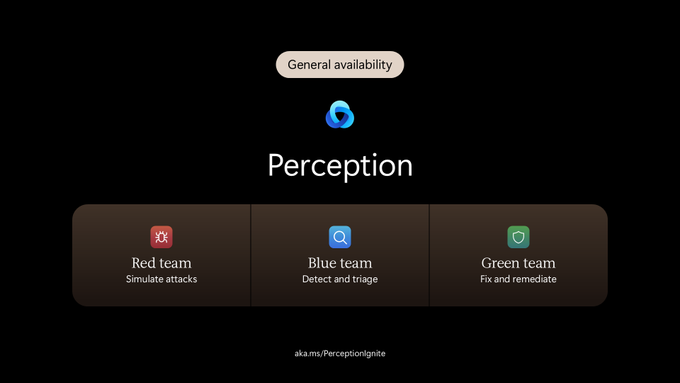
At Microsoft Ignite 2026, Microsoft said Microsoft Perception is now generally available, combining red, blue…
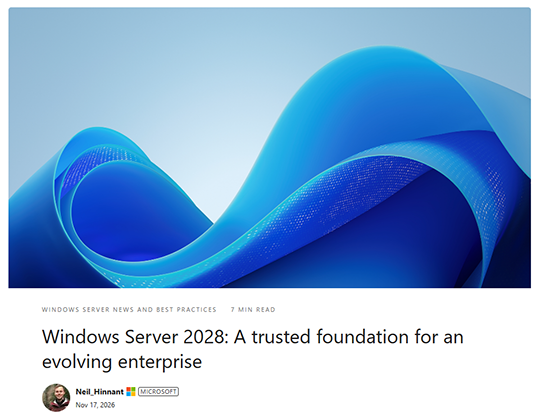
At Microsoft Ignite 2026, Microsoft released a public preview of Windows Server 2028, which adds AI inference…
BrightAI raised $97 million in a round led by Smith Point Capital, with GE Vernova and existing backers includ…