What happened
Reviewer Jennifer Pattison Tuohy tested Apple Intelligence for Home, Google Nest's Gemini features, and Amazon Ring. Apple charged $60 a month for up to five cameras; Google and Ring charged $20 for unlimited cameras. Ring was most accurate at facial recognition and best at filtering normal activity.
Why it matters
Apple's text alerts often said "someone" without detail, making them less useful. Its higher price and briefer descriptions mean buyers may pay more for less, despite Apple's privacy edge.
What to watch
Whether Apple closes the gap—its feature only launched this month, and notifications were inconsistent in testing. Watch if upcoming Apple TV and HomePod updates add local processing to cut monthly fees.
WHO IT HITSHomeowners comparing security camera subscriptions face a trade-off: Apple's plan costs up to three times more for fewer cameras and less detailed alerts, while Google and Ring offer broader coverage at $20. Privacy-conscious buyers may still prefer Apple's local processing.
Summaries like this, in your inbox every morning.
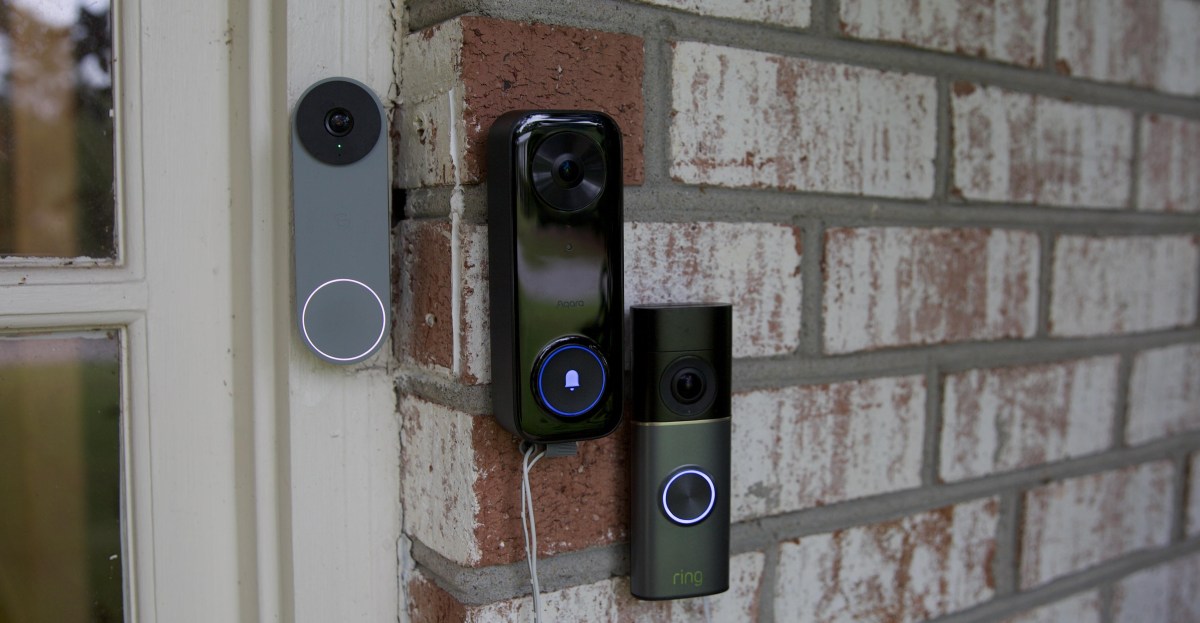
The article's test pitted three subscription AI camera services against each other: Apple Intelligence for Home (launched this month with iOS 27), Google's Gemini for Home (introduced last year), and Amazon Ring's AI features (also added last year). The reviewer used an Aqara Doorbell Camera G400 for Apple, a Google Nest Doorbell 2K, and a Ring Wired Doorbell Pro, focusing on notification speed, description accuracy, and reliability. While all three platforms improved on basic motion alerts, their approaches differed. Apple's system, reliant on third-party HomeKit Secure Video hardware, delivered the briefest and least consistent text descriptions; the reviewer noted Apple doesn't control the whole experience. Google and Ring provided more detailed alerts, with Google often first to notify. Ring's Unusual Event, which learns normal activity patterns, stood out for reducing noise. The pricing gap is stark: Apple's top tier costs $60 a month for five cameras, while Google and Ring each charge $20 for unlimited cameras. Privacy remains a differentiator—Apple's standard HomeKit Secure Video processes footage locally and end-to-end encrypted, but Apple Intelligence summaries are processed in the cloud. Ring, by default, processes all footage in the cloud, though it recently introduced the TAKE encryption system. The outcome hinges on whether Apple can improve its descriptions and notification reliability, and whether future hardware shifts processing back into the home to lower subscription costs. For now, the reviewer concludes that Apple Intelligence for Home is a reasonable deal for a single camera but becomes poor value across many cameras.
For example, today's edition would include:
AI-summarized, only the topics you pick: one digest a day via Email, LINE, or Slack.
Free · 30 seconds with Google · unsubscribe anytimeWhat is AIToday? →
Ask AI anything about this article. The AI reads this article, earlier AIToday articles, and Wikipedia, and cites its sources. Q&As are published on this page for other readers too.
Google is testing "Call for Me," letting Gemini call businesses for US Pixel 11 owners with a paid Gemini subs…
Anthropic signed a seven-year, $11.6 billion cloud deal with Akamai Technologies, per Reuters, and gets a warr…

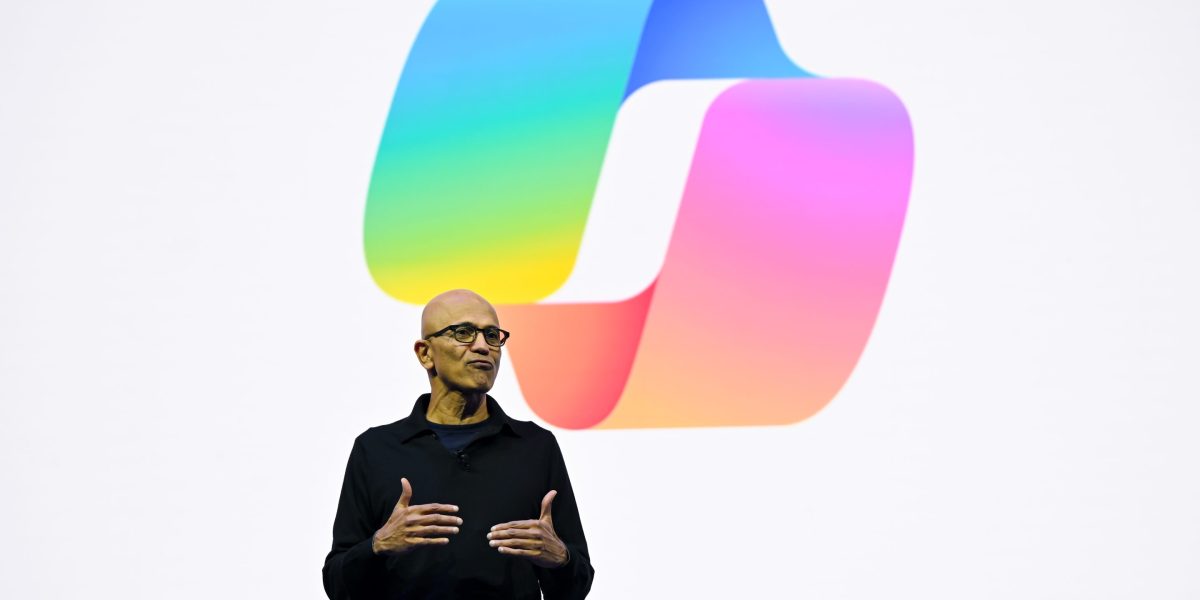
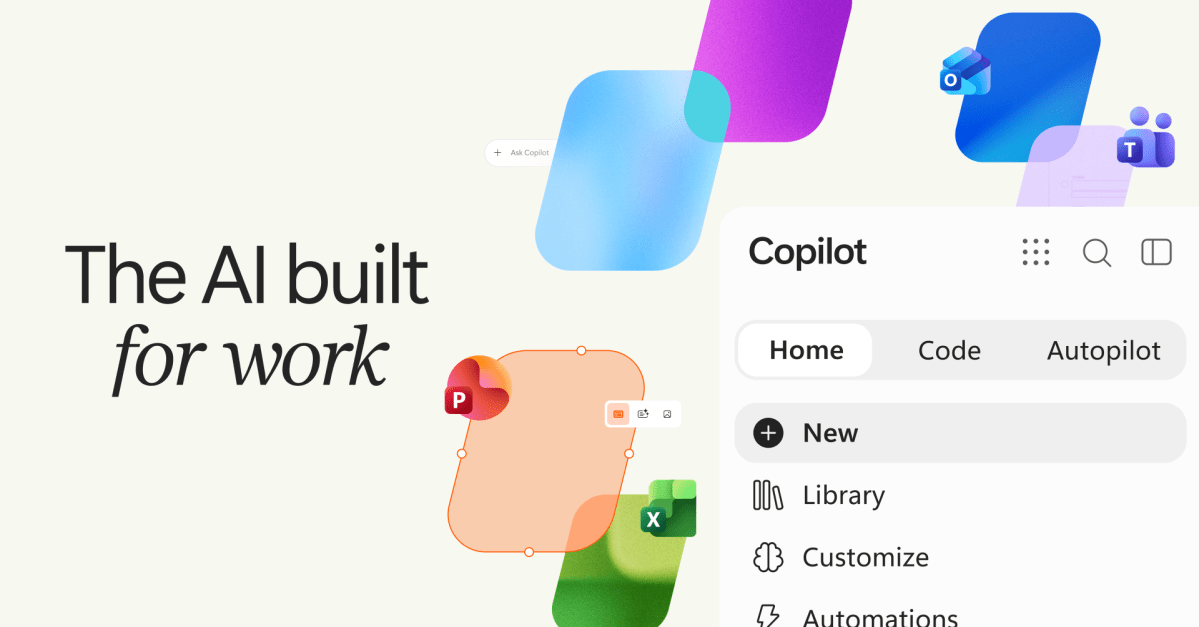
Microsoft unveiled a redesigned Copilot "super app" combining chat, coding, Office tools, and a new "Autopilot…
AINOW's guide says AI coding agents now run planning, implementation, testing and fixes on their own, citing a…

Microsoft officially unveiled its redesigned Copilot super app with three tabs — Home, Code, and Autopilot — a…
Okta announced Monday it is collaborating with CrowdStrike, Google Cloud, Salesforce and others to launch the…