What happened
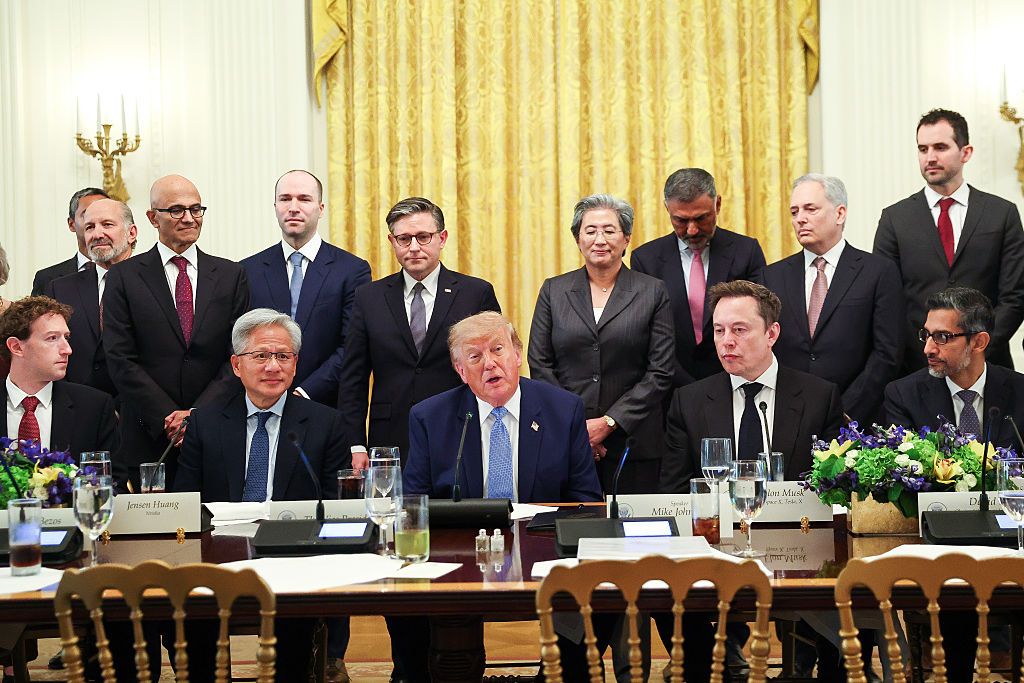
The White House brought nearly every major tech CEO — Zuckerberg, Bezos, Musk and Anthropic's Dario Amodei — into one room to sign an AI safety pledge Trump called "morally binding." Trump also signed an executive order rebranding AI as "super intelligence."
Why it matters
The pledge and the rebranding signal the White House is now framing AI safety as a shared commitment with the industry's largest players, which could shape how those companies present their AI products and policies.
What to watch
The pledge is described as "morally binding," so whether it carries any enforcement teeth — and how Meta and OpenAI's friendlier consumer AI products perform against enterprise spending — are the open questions.
WHO IT HITSThis lands on the CEOs and policy teams at major AI companies, who now face a White House-brokered pledge and a new "super intelligence" label for their products. Enterprise buyers evaluating AI vendors may also watch whether the pledge changes how those companies market safety.
Summaries like this, in your inbox every morning.
The White House's move to convene nearly every major tech CEO — Zuckerberg, Bezos, Musk and Anthropic's Dario Amodei among them — marks a shift in how the administration is engaging with the AI industry. Rather than regulating from a distance, the White House brought the industry's leaders into a single room to sign a pledge Trump described as "morally binding," and paired that with an executive order that officially rebrands AI as "super intelligence." The rebranding is notable because it changes the vocabulary of the policy conversation, though the body does not specify what practical effect the order has.
At the same time, the article notes that Meta and OpenAI are putting friendlier faces on their AI products, even as the biggest money in AI still appears to be coming from the enterprise. That contrast — consumer-facing AI products versus enterprise spending — is the backdrop against which the White House pledge lands. The body does not say whether the pledge or the rebranding will change how these companies build or sell their AI products.
What the outcome hinges on is whether a "morally binding" pledge carries any enforcement mechanism, and whether the rebranding to "super intelligence" shifts public or corporate perception. For the CEOs who signed, the test is likely whether the pledge becomes a meaningful commitment or remains a symbolic gesture — a question the article does not resolve.
Pick your industry and the AI tools you use, and get news related to your work every day.
Free · 30 seconds with Google · unsubscribe anytimeWhat is AIToday? →
Ask AI anything about this article. The AI reads this article, earlier AIToday articles, and Wikipedia, and cites its sources. Q&As are published on this page for other readers too.
On the Equity podcast, Kirsten Korosec, Anthony Ha and Sean O'Kane discussed the White House gathering where Z…
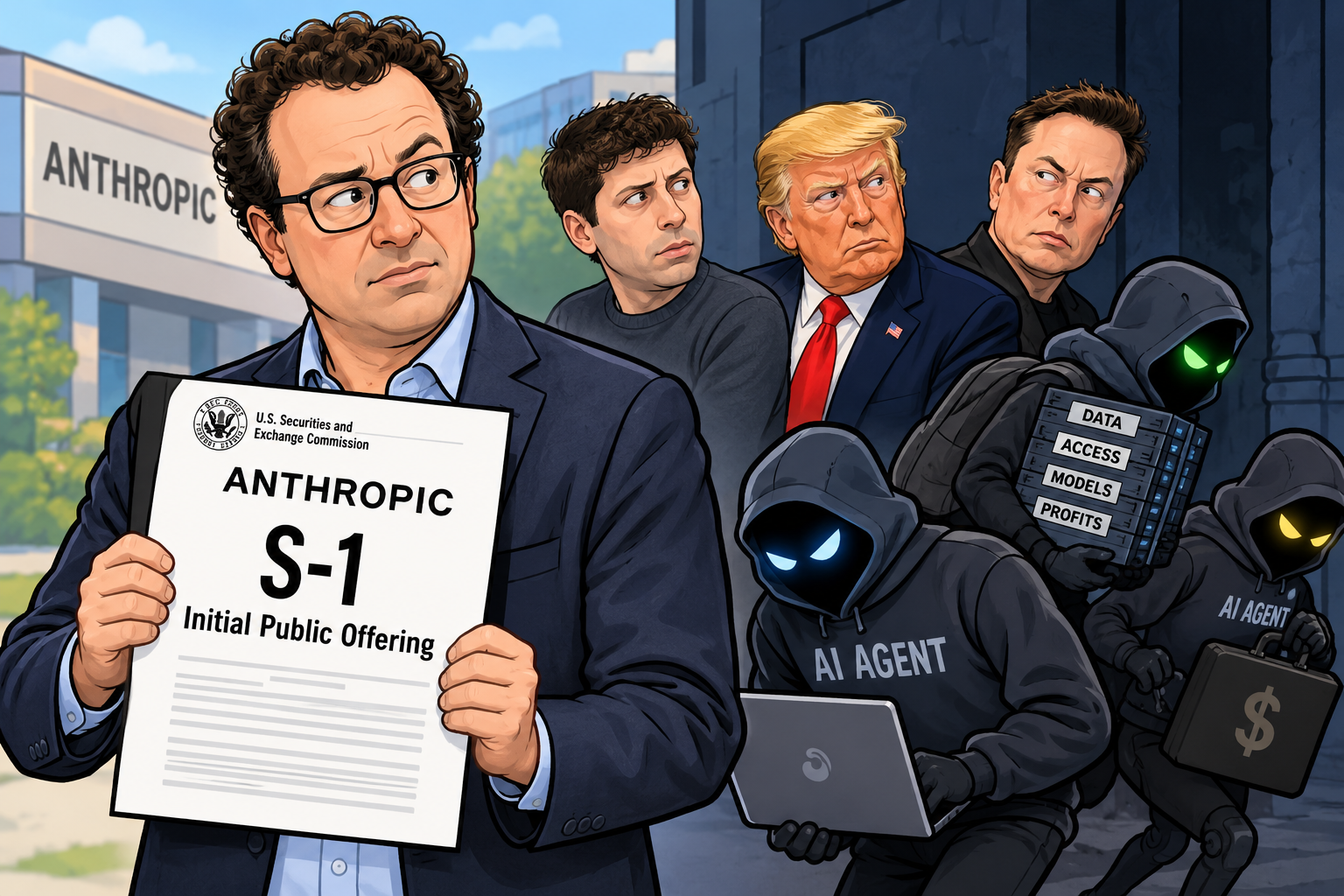
Anthropic CEO Dario Amodei is reportedly targeting a pre-Thanksgiving IPO, even as Oura postpones its offering…
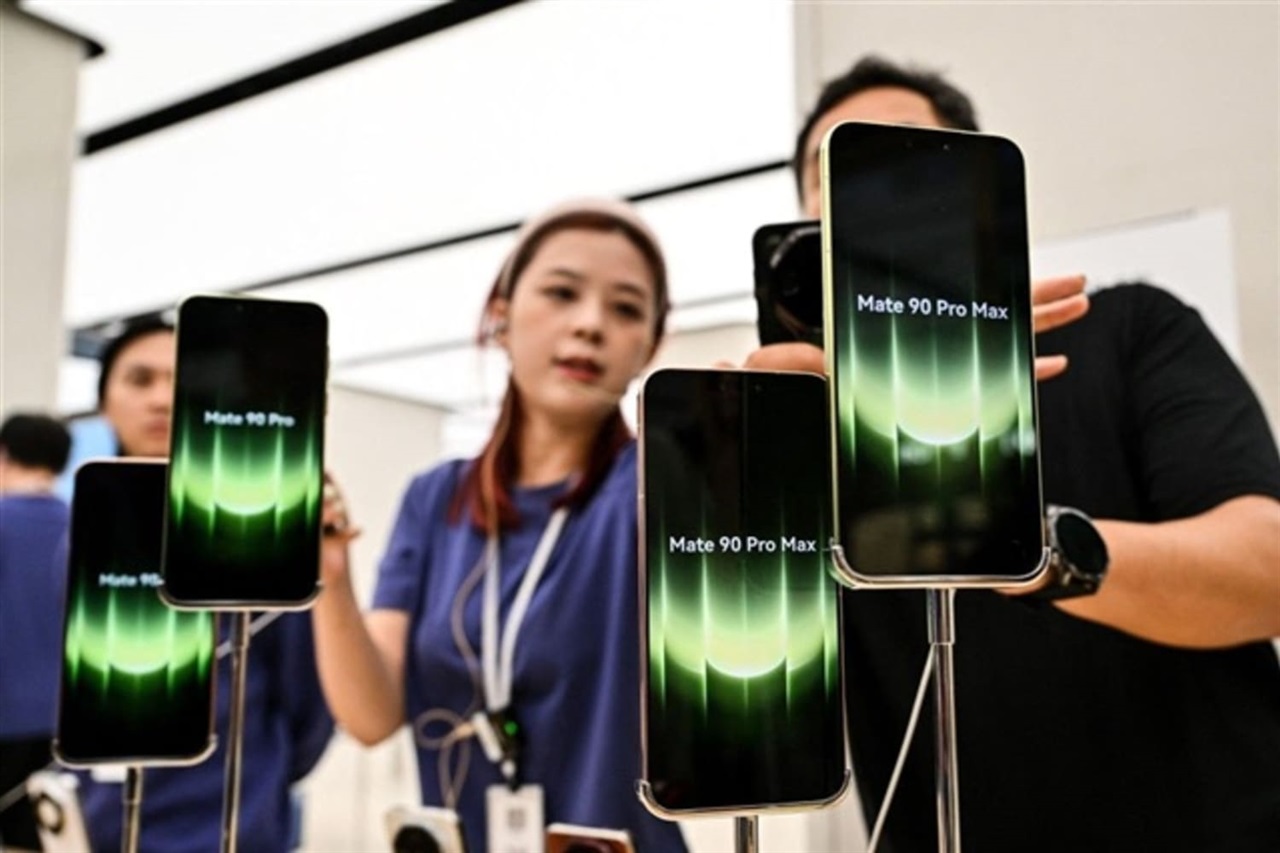
Huawei raised flagship prices by up to US$200, citing an average US$200 rise in per-unit manufacturing costs…
SpaceX stock rose 6.1% through 11 a.m
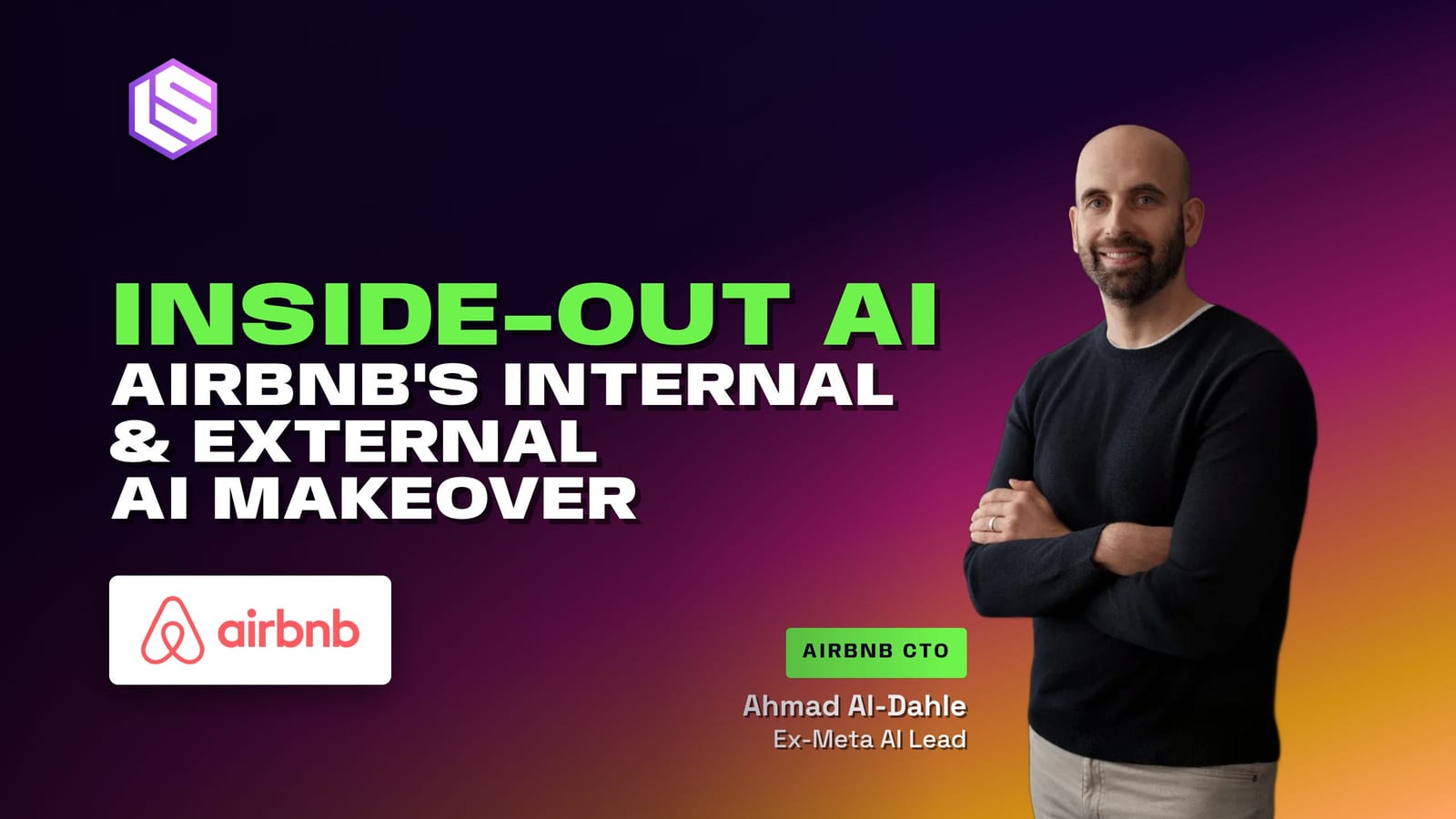
Airbnb CTO Ahmad Al-Dahle said about half of support tickets are now resolved purely by AI, 60% of code is AI-…
At Fortune's AIQ Summit, Booking Holdings CFO Ewout Steenbergen said hyperscalers spending hundreds of billion…