What happened
Jharu, a free open-source disk cleanup tool for macOS and Windows, launched in version 0.2.0. It targets developers and machine learning engineers, identifying and safely removing caches from ML model repositories (Hugging Face, Ollama, PyTorch, Whisper), package managers (npm, pip, conda, Cargo, Go, Maven, Gradle, NuGet), Docker, and uninstalled applications—moving deleted data to Trash or Recycle Bin rather than permanently erasing it.
Why it matters
Unlike generic cleaners, Jharu understands developer-specific storage use. It distinguishes between ML models actually loaded versus downloaded but never used, detects duplicate Python packages across virtualenvs, and rates each item's safety before deletion. The tool is free with no subscription, telemetry, or ads—a direct alternative to paid services like CleanMyMac ($40+/year) or CCleaner (freemium).
What to watch
The app requires elevated permissions on first launch (Full Disk Access on macOS, one-time SmartScreen approval on Windows). The developer is seeking sponsorships to cover Apple notarization ($99/year) and Windows code signing (~$100–400/year) to eliminate security warnings. Upcoming features include orphaned-data detection, duplicate-file identification, localized UI, and detailed Windows drive health reporting.
Summaries like this, in your inbox every morning.
Jharu addresses a specific pain point for developers and machine learning engineers: disk space consumed by tools that leave large, opaque caches. Generic disk cleaners show folder sizes but do not understand what that data is; Jharu ships a curated knowledge base of 25+ cache locations across ML frameworks (Hugging Face, Ollama, PyTorch, Whisper, LM Studio, Keras), package managers (npm, pip, conda, uv, Cargo, Maven, Gradle, NuGet, Go), containers (Docker), IDEs (JetBrains), and build tools (Xcode). A distinctive feature is its ability to distinguish ML models that have been loaded from models downloaded and never used—allowing developers to reclaim storage without breaking active workflows. The app's safety model is conservative: every deletion moves to the system Trash (never permanent), every item carries a safety rating and staleness detection, and locations Jharu cannot read are reported rather than hidden. The developer positions Jharu as a direct alternative to CleanMyMac (paid, macOS-only, lacks ML model understanding) and CCleaner (freemium, no developer-specific intelligence). The current limitation is that Jharu lacks code signing on both platforms—users see security warnings on first launch—and the developer is explicitly seeking sponsorships to cover Apple notarization ($99/year) and Windows code signing costs (~$100–400/year). The roadmap includes orphaned-data detection, duplicate-file detection, and localization into Bengali and Hindi.
Pick your industry and the AI tools you use, and get news related to your work every day.
Free · 30 seconds with Google · unsubscribe anytimeWhat is AIToday? →
Ask AI anything about this article. The AI reads this article, earlier AIToday articles, and Wikipedia, and cites its sources. Q&As are published on this page for other readers too.
Vercel data published Thursday shows TypeSafe AI's Jev, a lightweight decision model for choosing among predet…
Reflection AI introduced Beam, an open-weight model for agentic coding and long-horizon tasks, with 501 billio…
Apple and Meta said they would jointly release a new open-weight AI model designed to run on high-end Macs, ai…
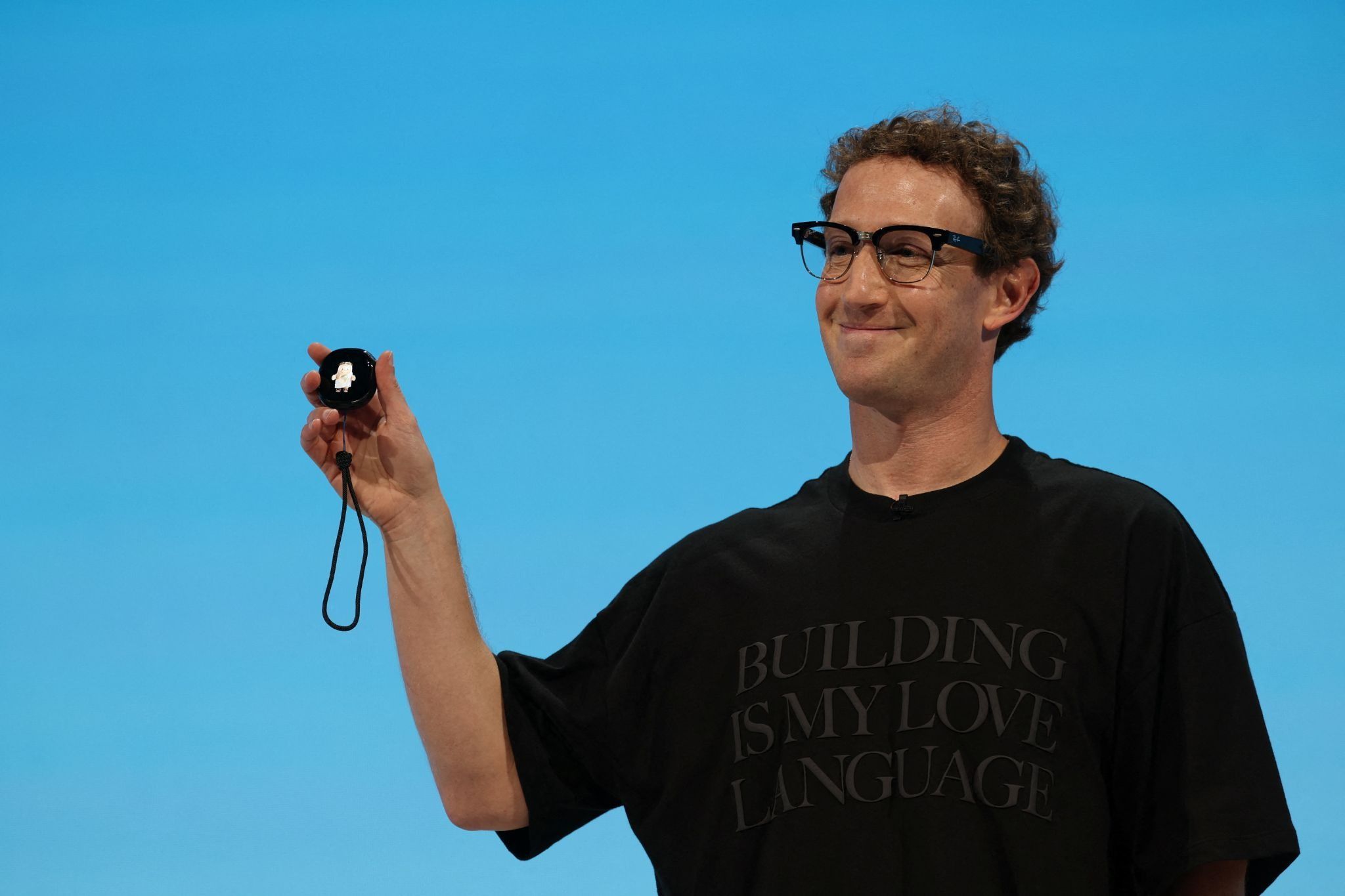
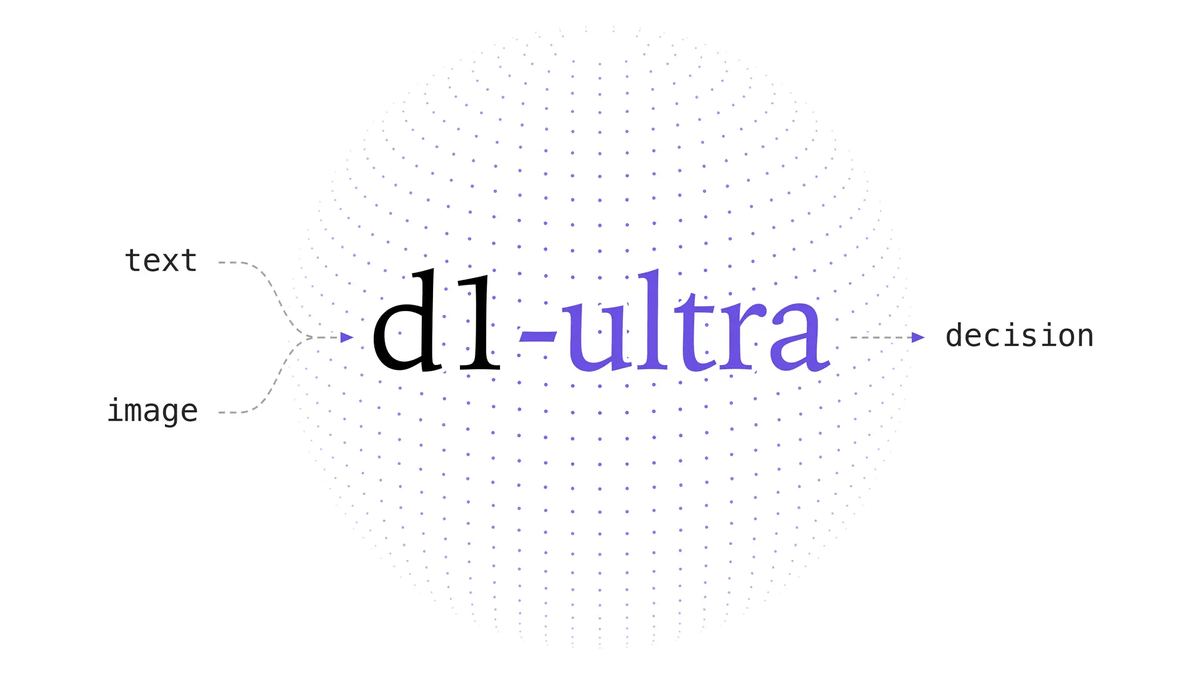
Liquid AI released d1-ultra on October 15, 2026, an upgraded open-weights decision model that averaged 76.7 ac…
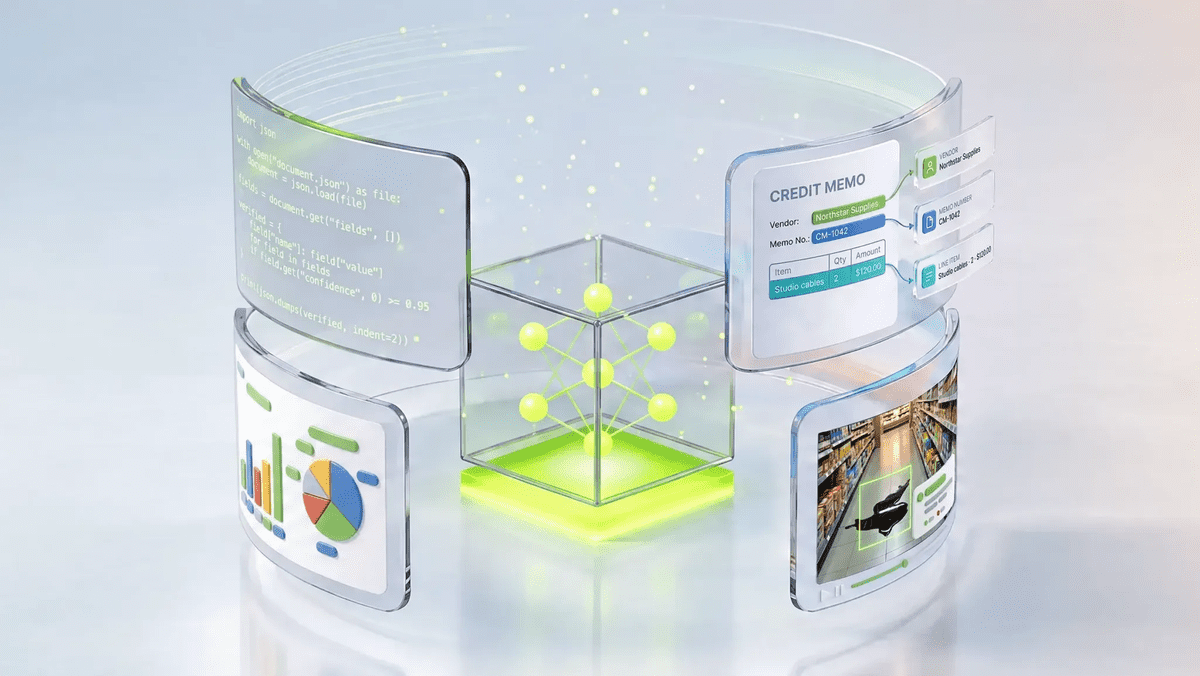
NVIDIA released Nemotron 3.5 Super VL, an open-weight model with 120 billion parameters that handles text, ima…
NVIDIA released Nemotron 3.5 Bolt 74B-A9B 24GB, an AI model for local agents that hits over 80 tokens per seco…