Palo Alto Networks is pushing a new data security approach for AI agents.
It expands protection beyond manual uploads to agent-to-tool and agent-to-agent interactions.
This aims to answer whether any user, app, or agent should act on data in real time.
What happened
Palo Alto Networks is promoting a security strategy called Authority-Aware DLP for AI agents, moving beyond traditional data loss prevention that only covers manual uploads. The approach targets three risk layers: human-to-AI, agent-to-tool via MCP, and agent-to-agent via A2A.
Why it matters
Traditional security misses context, such as whether an app is approved but the account or data use is not. AI agents can retrieve and share sensitive data without a user manually uploading files, so security must follow the AI data path across endpoints, AI runtime, and firewalls.
What to watch
Palo Alto Networks embeds this via Prisma Access, Prisma AIRS AI Runtime Security, and Next-Generation Firewalls. The company offers an audit of local agent footprint and inspection of hidden MCP traffic.
Ask the AI about this article →
The article argues that AI security problems have shifted from employees pasting data into ChatGPT to sanctioned AI apps being used with personal accounts, and further to AI agents operating through MCP and A2A protocols. This evolution, it says, forces a fundamental strategy change because data exposure no longer happens only through front-door prompts but across three operational layers.
Palo Alto Networks frames the core issue as traditional security inspecting the payload while missing context, meaning it cannot tell what an agent is trying to do or where data lands next. Their proposed fix is Authority-Aware DLP, which extends Zero Trust principles from humans to agents by understanding agent identities, limiting access, and enforcing policy inline.
The company positions this as necessary because AI agents will not wait for manual steps like copying files or approving transfers. The article suggests approval at one layer should not imply trust at the next, and it ends with an offer for a security audit of local agent footprints and hidden MCP traffic.
For example, today's edition would include:
AI-summarized, only the topics you pick — one digest a day via Email, Slack, or Discord.
Free · takes 30 seconds · unsubscribe anytimeWhat is AIToday? →
Ask AI anything about this article. Q&As are published on this page for other readers too.
Goldman Sachs, Morgan Stanley and Citigroup are pressing elite law firms to lower fees, arguing AI is sharply…

Cleveland Clinic is investing $50 million in a 'Digital Front Door' initiative to streamline patient access an…
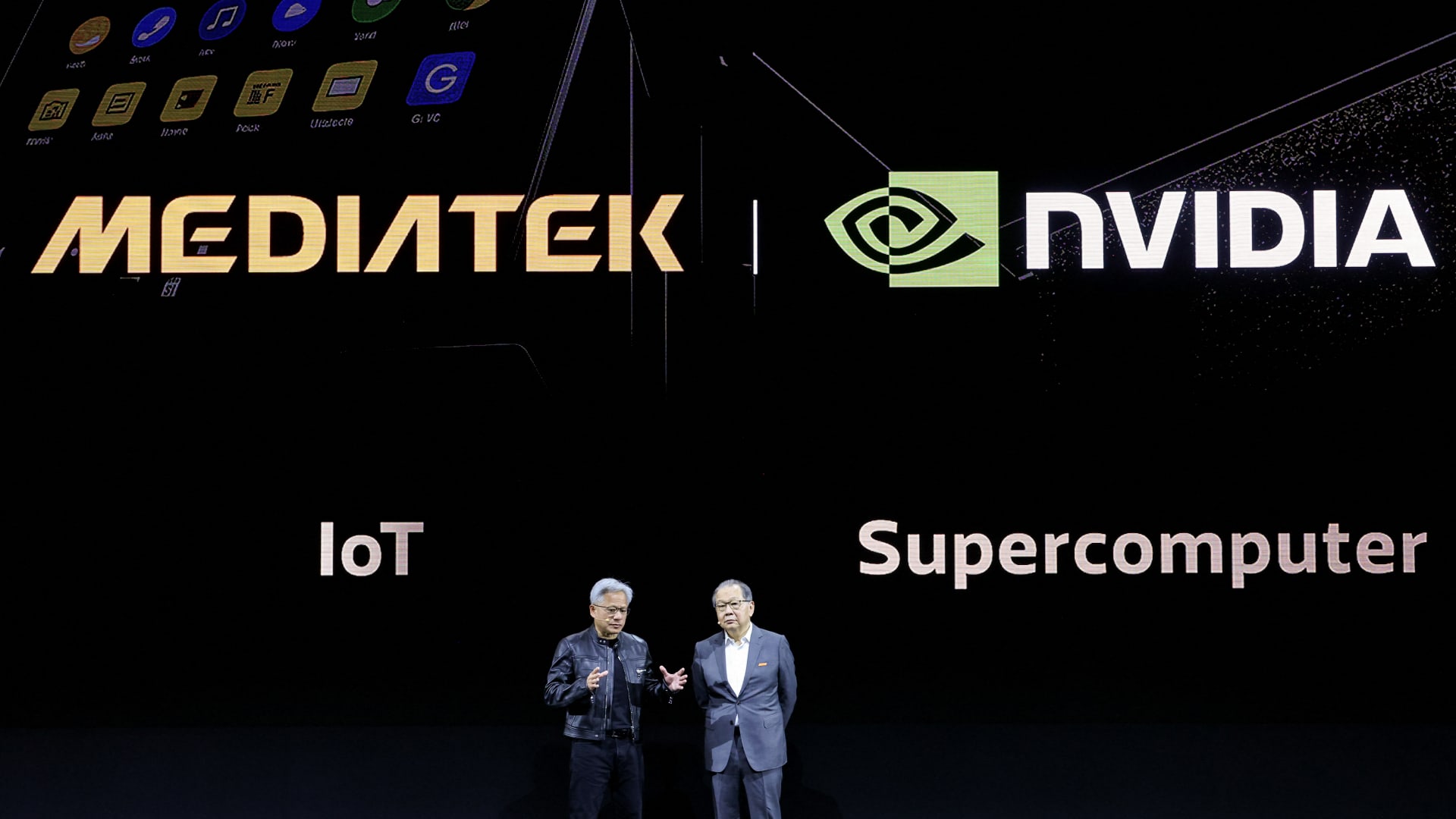
MediaTek shares closed 10% higher on Tuesday after the Taiwanese chip firm announced a partnership with Nvidia
Walmart settled opioid dispensing claims for $50 million

Dell raised its annual revenue outlook, citing strong sales of AI servers

GE Vernova (NYSE: GEV) announced on August 24, 2026, in Paris, a new medium-voltage uninterruptible power supp…