What happened
At IROS 2026 in Pittsburgh, Rob Ambrose said the construction, transport, logistics, mining and solar sectors that overlap with lunar robotics represent more than US$10 trillion in existing Earth markets.
Why it matters
That overlap means robots developed to move materials, build habitats, install power systems and extract resources on the Moon could share development with driverless vehicles, logistics, solar-array assembly, construction and mining on Earth, per Ambrose.
Summaries like this, every morning.
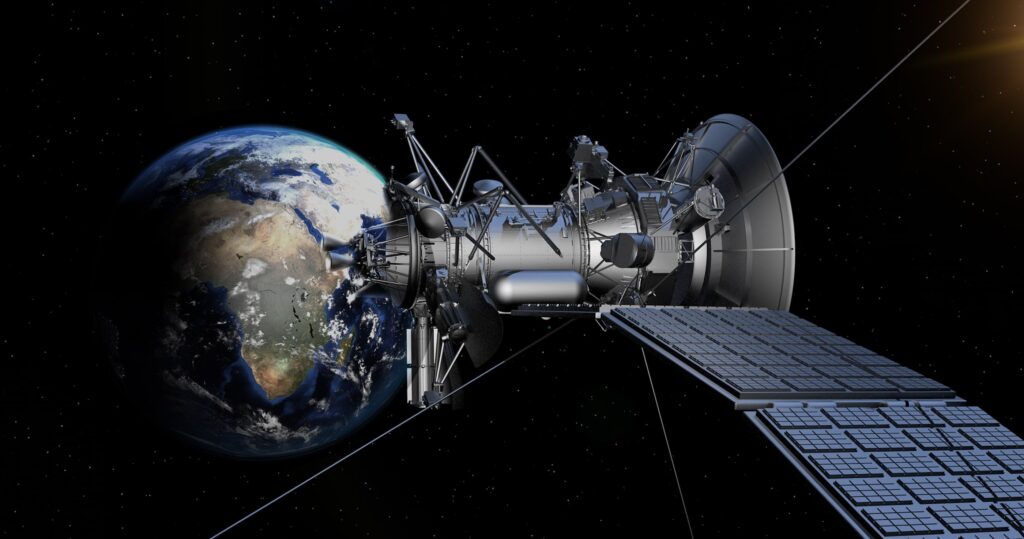
The plenary panel at IROS 2026 in Pittsburgh brought together speakers from NASA, JAXA and academia to discuss robots in lunar exploration, human spaceflight and work in orbit. Their examples ranged from unloading cargo and building lunar infrastructure to collecting samples from Phobos and removing space debris. The presentations also raised a broader question: how investment in space robotics can advance capabilities that matter on Earth.
Rob Ambrose, a professor at Texas A&M and former NASA principal technologist for robotics and autonomy, made that case through the potential links between lunar work and industries such as construction, transport, logistics, mining and solar power. He acknowledged that Earth orbit is likely to remain the largest space market for the foreseeable future, with most space activity and investment concentrated there. But technologies needed on the Moon could also help address practical problems on Earth, he suggested.
Ambrose described the International Space Station as an example of how much robotic work already takes place in orbit. Robotic systems unload cargo vehicles, move equipment and store materials for disposal, tasks that would otherwise take up crew time. Kim Hambuchen of NASA's Johnson Space Center said the agency was changing direction after deciding to pause plans for Gateway, an orbital outpost around the Moon, and is now focusing on its MoonBase project. Hiroshi Ueno of JAXA described Japanese government funding intended to expand the domestic space market, including the MMX mission to Phobos and a debris-removal programme with Japanese companies.
Pick your industry and the AI tools you use, and get news related to your work every day.
Free · 30 seconds with Google · unsubscribe anytimeWhat is AIToday? →
Ask AI anything about this article. The AI reads this article, earlier AIToday articles, and Wikipedia, and cites its sources. Q&As are published on this page for other readers too.
Autonomous UK launched on November 25 with 16 founding members, including DeltaQuad, Evolve Dynamics, Quantum…
In Episode 271 of The Robot Report Podcast, Vention CEO Etienne Lacroix said AI deployment—not just better mod…

HBK published Why Reliability Will Define the Next Decade of Robotics, arguing commercial success depends on m…
At SPS 2026, Siemens introduced an Autonomous Production Planner within Intelligence Center X, where AI agents…
Impress NextPublishing will release the book on November 27, covering Physical AI's definition and history, as…

O-ID, a Tokyo startup building fully modular humanoids, raised $1.2 million in a pre-seed round joined by TAWA…