What happened
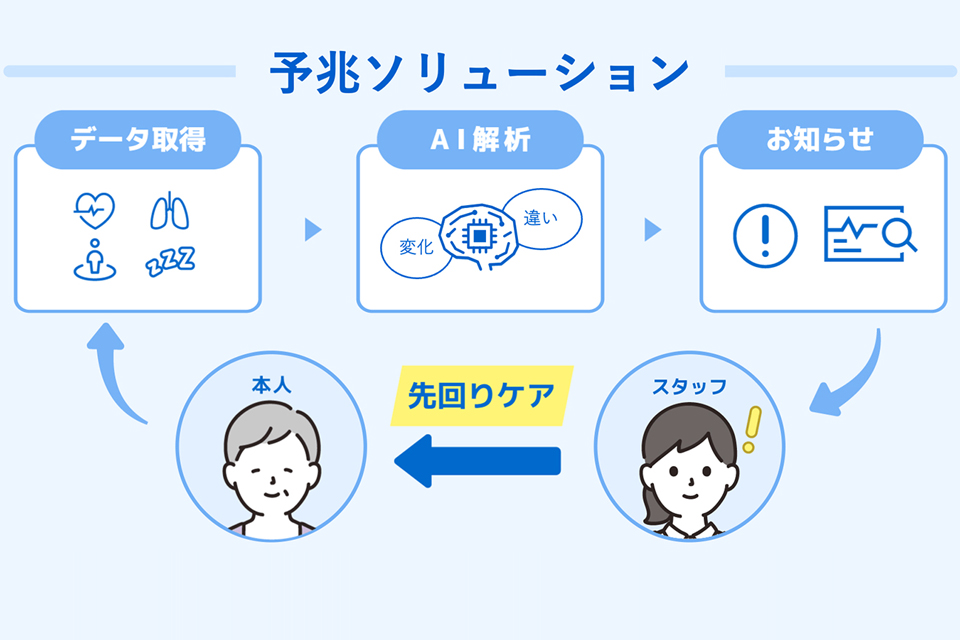
Panasonic Holdings developed a "予兆ソリューション" care-support tool built on a health-change analysis AI and a report-generation AI. Testing about 2,000 people yielded 89.4% recall against past care records and a 10.5% false-alarm rate.
Why it matters
The tool may surface health changes that visual checks or residents' own reports miss, since it analyzes heart rate, breathing, movement and sleep data against each person's normal baseline, per Panasonic.
What to watch
Real-world value hinges on the field trial starting in October with social welfare corporation ユーアイ二十一, which tests usefulness and operability at an actual care site. Watch whether the October trial confirms those accuracy figures.
WHO IT HITSCare facility operators and frontline care and nursing staff stand to gain earlier warning of health changes, since the system is designed to run on monitoring systems already common in care settings rather than requiring specific sensors.
Summaries like this, in your inbox every morning.
Panasonic Holdings framed the "予兆ソリューション" as a response to two pressures named in its announcement: an aging population and a shortage of care workers, which it says make it a challenge to maintain and improve care quality with limited staff. The system combines a health-change analysis AI, which reads biometric and daily-life data from monitoring sensors against each person's normal state, with a report-generation AI that lays out the grounds for a detected change and the points staff should observe, displayed as graphs and text for sharing across care and nursing roles.
The accuracy figures come from an evaluation of about 2,000 people. The analysis used daily statistical analysis plus the differences from the previous day and the day before as features, which the company says made it possible to extract information that could serve as a trigger for checking a resident's condition, including changes that are hard to catch by eye or through self-reporting. The solution is also positioned as a common platform that does not depend on a particular monitoring service or sensor, normalizing and extracting features from sensor signals that differ by device.
Going forward, Panasonic plans to use what it learns from the trial to improve its analysis methods and report content, and to expand collaboration with outside partners including monitoring service providers, aiming toward data-based care that does not rely only on intuition and experience. Whether that wider use materializes appears likely to hinge on how the October field trial with ユーアイ二十一 judges usefulness and operability in a live care setting.
Pick your industry and the AI tools you use, and get news related to your work every day.
Free · 30 seconds with Google · unsubscribe anytimeWhat is AIToday? →
Ask AI anything about this article. The AI reads this article, earlier AIToday articles, and Wikipedia, and cites its sources. Q&As are published on this page for other readers too.
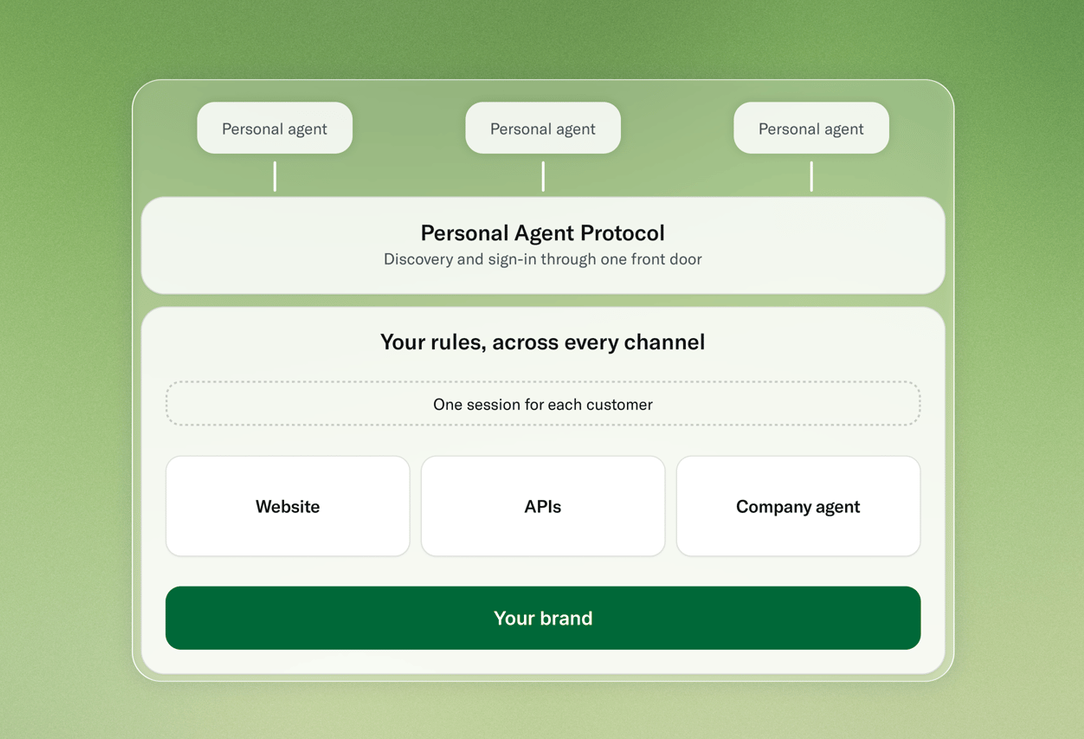
Meta, Walmart, Stripe and Sierra Technologies are creating the Personal Agent Protocol, introduced by Sierra c…
Mistral AI opened a public preview of Mistral Large 4, its 1.05 trillion-parameter MoE model nicknamed "Le Cho…

Reflection AI started early access to Beam, its first open-weights model, with 501 billion total and 23 billio…
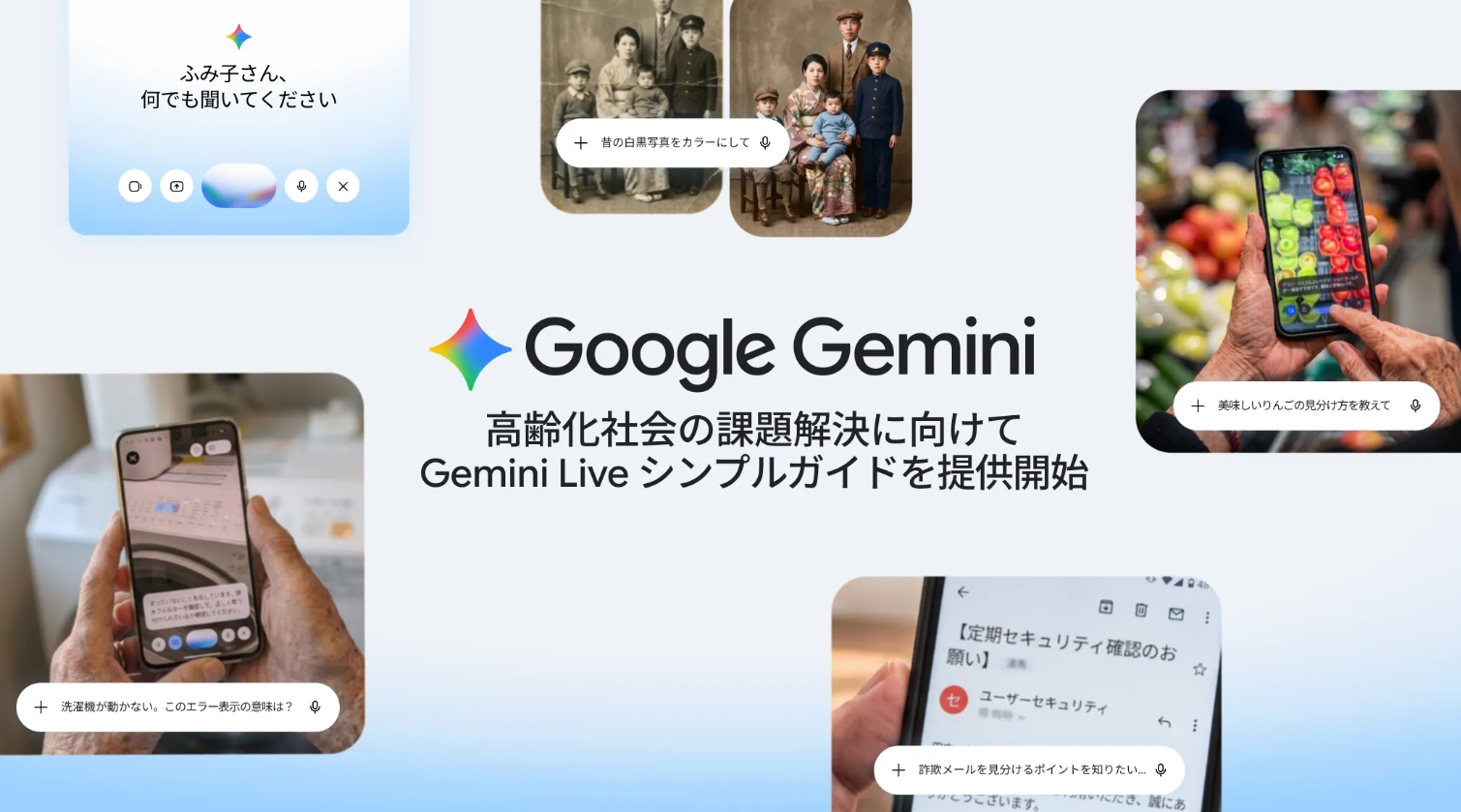
Google began rolling out "Simple Guide" in Gemini Live on Android, letting users share camera or screen views…
Anthropic launched Claude for Google Workspace as a public beta for paid Claude plans, adding Claude to Google…

Testing a fake LLM call on CPython 3.14.8, the developer saw the first await succeed and the second raise Runt…


