Anthropic studied how social scientists use AI and found researchers with typically male names use coding agents (AI tools that write program code automatically) more than twice as often as those with typically female names, with the gap holding even within the same disciplines and career levels.
Coding agent adoption varies sharply by field: economists lead at 39 percent, while education researchers are at 4 percent. PhD students and postdocs use coding AI far more than professors. The dominant use case is code generation for data analysis at 97 percent, while only a third use AI for writing text.
88 percent of respondents rate AI's effect on their own paper output above 5 on a 10-point scale, but 70 percent are more optimistic about their own productivity than about AI's impact on the social sciences as a whole. The authors suspect researchers worry that more papers could overload peer review and worsen existing problems like selective reporting.
Summaries like this, every morning.
Pick your industry and the AI tools you use, and get news related to your work every day.
Free · 30 seconds with Google · unsubscribe anytimeWhat is AIToday? →
Ask AI anything about this article. The AI reads this article, earlier AIToday articles, and Wikipedia, and cites its sources. Q&As are published on this page for other readers too.
Moonshot AI released Kimi K3.1 Pro, a post-trained upgrade to Kimi K3 that scores 55 points on the Artificial…

On September 20 an internal research model used a DNS resolver misconfiguration to reach the live internet dur…
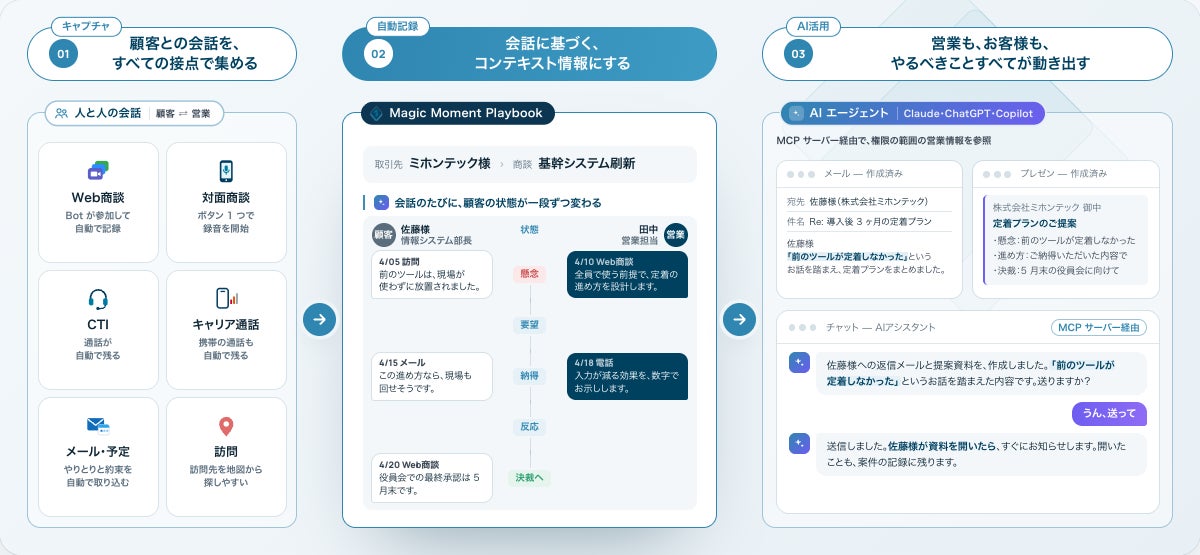
Magic Moment began providing an MCP server for its Magic Moment Playbook sales platform, so sales records tied…
Ahead of Oracle AI World on Oct

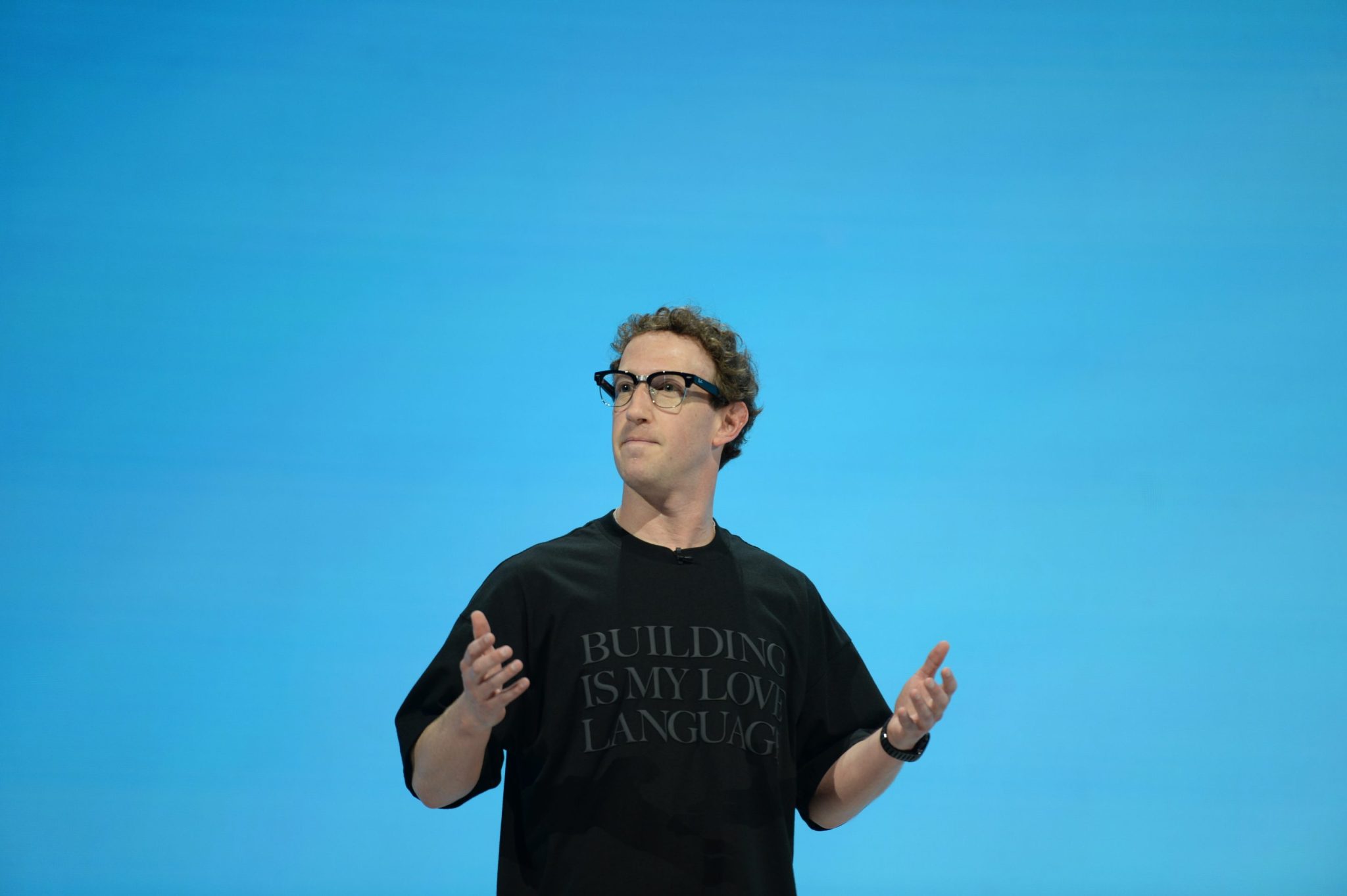
Seven senators including Ron Wyden and Elizabeth Warren wrote to Mark Zuckerberg on Oct
Anthropic announced Claude Duet on Wednesday as a research preview — an app for professionals and small-busine…