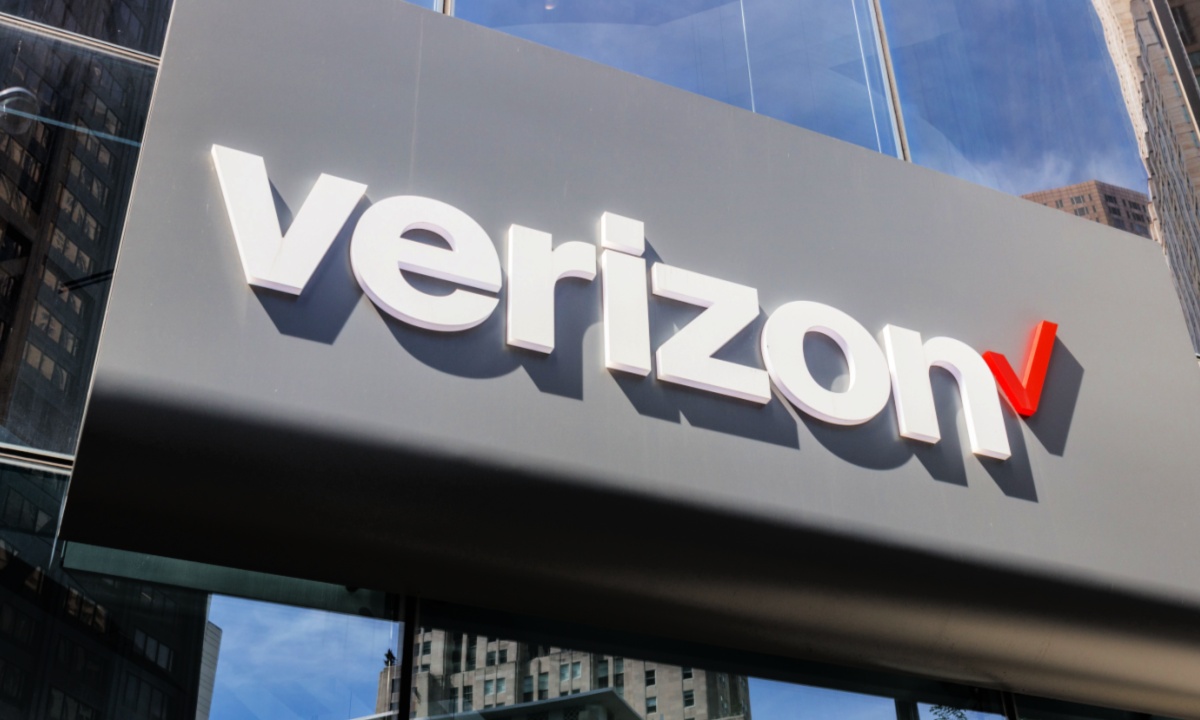
Verizon signed an over $1 billion(約1600億円) infrastructure deal with Google to use Verizon's dark fiber to connect Google's data centers, and expects to sign multiple similar contracts by year-end worth "multiple billions of dollars" over several years. CEO Dan Schulman called this "one of the largest capital cycles of our lifetime" in U.S. AI infrastructure, and said Verizon is uniquely positioned through its fiber footprint and retrofitted data centers to become a major player in AI infrastructure services.
Summaries like this, in your inbox every morning.
Sign up free →What happened
Verizon signed an over $1 billion(約1600億円) artificial intelligence infrastructure deal with Google on its earnings call Friday (July 24), with CEO Dan Schulman announcing the company expects to sign several similar deals by year-end that will generate "multiple billions of dollars in revenue" over the next several years.
Why it matters
Verizon is leveraging its extensive fiber network and carrier-grade low-latency transport infrastructure to capitalize on what Schulman calls "one of the largest capital cycles of our lifetime" in U.S. AI infrastructure build-out. The company is retrofitting central offices into data centers for inference edge computing and has already attracted multiple partners, positioning AI infrastructure as a meaningful new growth driver for the telecommunications business.
What to watch
Verizon expects to announce several additional deals by the end of the year. The company launched Verizon AI Connect in January 2025 to serve hyperscalers, cloud providers, and global enterprises, with Google Cloud and Meta already adopting the solutions.
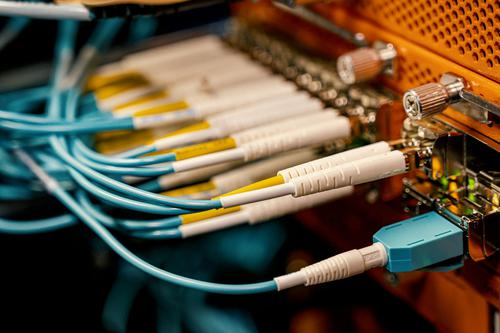
On Friday, July 24, during its second quarter earnings call, Verizon announced it had signed an over $1 billion(約1600億円) artificial intelligence infrastructure deal with Google. In this agreement, Verizon's dark fiber—dedicated, unused fiber-optic lines—will be used to connect Google's data centers. CEO Dan Schulman said the company expects to announce several similar deals by the end of the year, collectively worth "multiple billions of dollars in revenue" over the next several years.
Schulman characterized these agreements as "long-duration, high-quality contracted revenue streams from some of the most demanding infrastructure customers in the world" and stated, "We believe that this is just the beginning. The build-out of AI infrastructure across the United States is one of the largest capital cycles of our lifetime." He emphasized that Verizon is uniquely positioned to participate because it owns an extensive long-haul and metro fiber footprint and has built the carrier-grade, low-latency, highly resilient transport network that hyperscalers (large cloud providers) need to connect compute, models, and regions.
Beyond fiber services, Verizon has begun retrofitting many of its central offices into data centers for inference edge computing and is already in talks with multiple partners eager to use these power-ready and permitted locations. Schulman said: "We are moving quickly to expand our TAM [total addressable market] in the rapidly growing AI infrastructure market. The agreements we have signed are the leading edge of a strategy that will become a meaningful, incremental leg of growth for Verizon." The company launched Verizon AI Connect in January 2025, a strategy and suite of products designed to serve hyperscalers, cloud providers, and global enterprises by managing AI resource-intensive workloads; Google Cloud and Meta were among the early adopters. Schulman concluded: "Our core connectivity business is gaining momentum, and with the emergence of AI infrastructure revenue, we are fundamentally reshaping Verizon's growth trajectory."
Verizon's $1 billion(約1600億円) Google deal marks a strategic pivot for the telecommunications company into AI infrastructure services. Rather than competing directly with cloud providers, Verizon is monetizing its existing physical assets—particularly its long-haul and metro fiber network—to support the connectivity demands of hyperscalers building out AI compute clusters. CEO Dan Schulman's framing of AI infrastructure as "one of the largest capital cycles of our lifetime" reflects broader industry dynamics: as companies like Google, Meta, and others race to build AI capabilities, the physical infrastructure to connect data centers and enable low-latency, resilient compute becomes a bottleneck and revenue opportunity.
The company is also expanding beyond pure fiber services into edge computing. By retrofitting central offices into data centers for inference (the step where an AI produces an answer) edge computing, Verizon is positioning itself closer to where data is processed and consumed, potentially capturing additional revenue from the same customers. That Verizon is already in talks with multiple partners for these retrofitted locations suggests strong early demand. The January 2025 launch of Verizon AI Connect, with Google Cloud and Meta already adopting it, provides a product framework that commoditizes some of this work, allowing Verizon to scale across many customers rather than negotiating one-off deals.
AI-summarized, only the topics you pick — one digest a day via Email, Slack, or Discord.
Free · takes 30 seconds · unsubscribe anytime
No comments yet. Be the first to share your thoughts!
Log in to join the discussion


Get curated AI news from 200+ sources delivered daily to your inbox. Free to use.
Get Started FreeFree · takes 30 seconds · unsubscribe anytime
