What happened
Moonshot AI released Kimi K3, a 2.8T parameter MoE (mixture-of-experts) model, on July 16th, with weights to be released on July 27th. K3 ranks #2 overall on the Vals AI index, #3 on Artificial Analysis's Intelligence Index (behind only Claude Fable and GPT-5.6 Sol Max while being cheaper), and #1 in Frontend Code Arena.
Why it matters
K3 is the closest open-weight model has come to frontier performance since DeepSeek R1, narrowing the performance gap between open and closed models—and between Chinese and American labs—from a debated 6–9 months to roughly 3–5 months. The same week, Xi Jinping publicly committed China's AI ecosystem to open-source and global diffusion at the World AI Conference, signaling government approval for releasing frontier models openly.
What to watch
The weights release on July 27th will test whether Moonshot keeps its promise. The model's architecture—including Kimi Delta Attention (KDA) and scaled MoE sparsity (activating 16 out of 896 experts)—achieves an approximate 2.5× improvement in scaling efficiency compared to Kimi K2, setting a benchmark for how effectively compute converts to intelligence.
Summaries like this, in your inbox every morning.
Moonshot AI's release of Kimi K3 marks a shift in the open-versus-closed AI model balance. The article frames this as part of a broader pattern: Chinese labs have historically released models openly not as a strategic preference but out of practical necessity—to gain adoption, attention, and feedback, especially in high-value Western markets. That strategy appears to be paying off: K3 is now the strongest open-weight model ever, closing a performance gap that was once estimated at 6–9 months to something closer to 3–5 months. The timing is significant because Xi Jinping's public commitment to open-source AI at the World AI Conference, announced the same week as K3's release, signals government approval for this approach and reflects Beijing's assessment of risk from frontier models.
The article argues that Moonshot's success rests on execution fundamentals—data, algorithms, architecture, and tools—rather than distillation from closed American models. The company achieved this with far fewer resources than Anthropic or OpenAI, a feat the author attributes partly to culture and partly to structural efficiency: while Chinese labs have less total compute than their U.S. counterparts, more of it can be devoted to training rather than other functions. K3's architecture innovations, particularly Kimi Delta Attention (KDA), show how academic ideas introduced in late 2024 can reach frontier scale by mid-2026, reflecting the rapid iteration speed of the Chinese ecosystem.
Pick your industry and the AI tools you use, and get news related to your work every day.
Free · 30 seconds with Google · unsubscribe anytimeWhat is AIToday? →
Ask AI anything about this article. The AI reads this article, earlier AIToday articles, and Wikipedia, and cites its sources. Q&As are published on this page for other readers too.
ElevenLabs completed a $300 million employee tender at a $22 billion valuation, and co-founder Mati Staniszews…
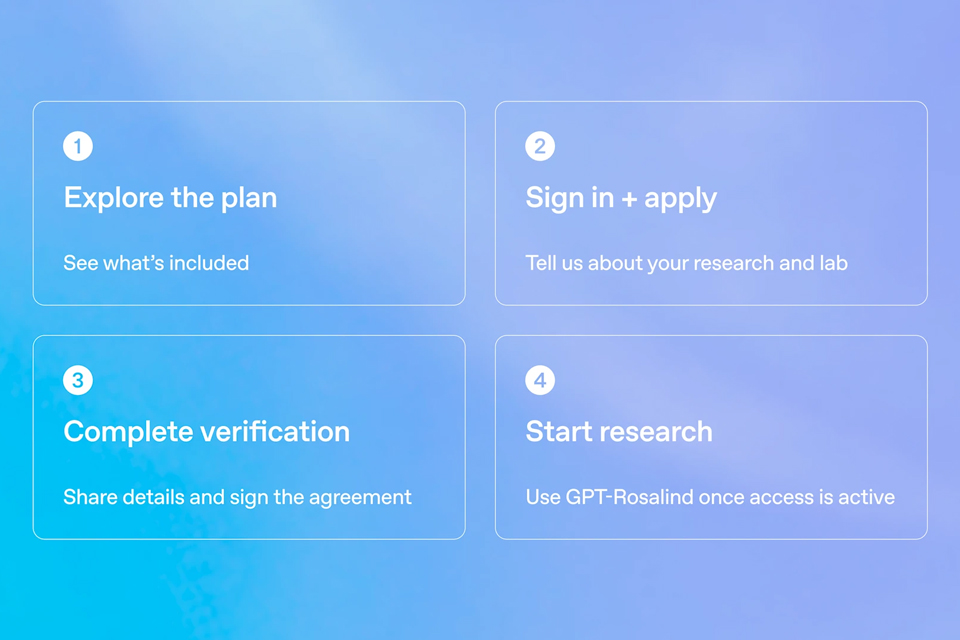
On October 15, OpenAI announced the Rosalind Academic Plan, giving approved US university labs free access to…
A Qiita article compared automated red-teaming methods for LLM apps — GCG, PAIR, and TAP — using mock implemen…

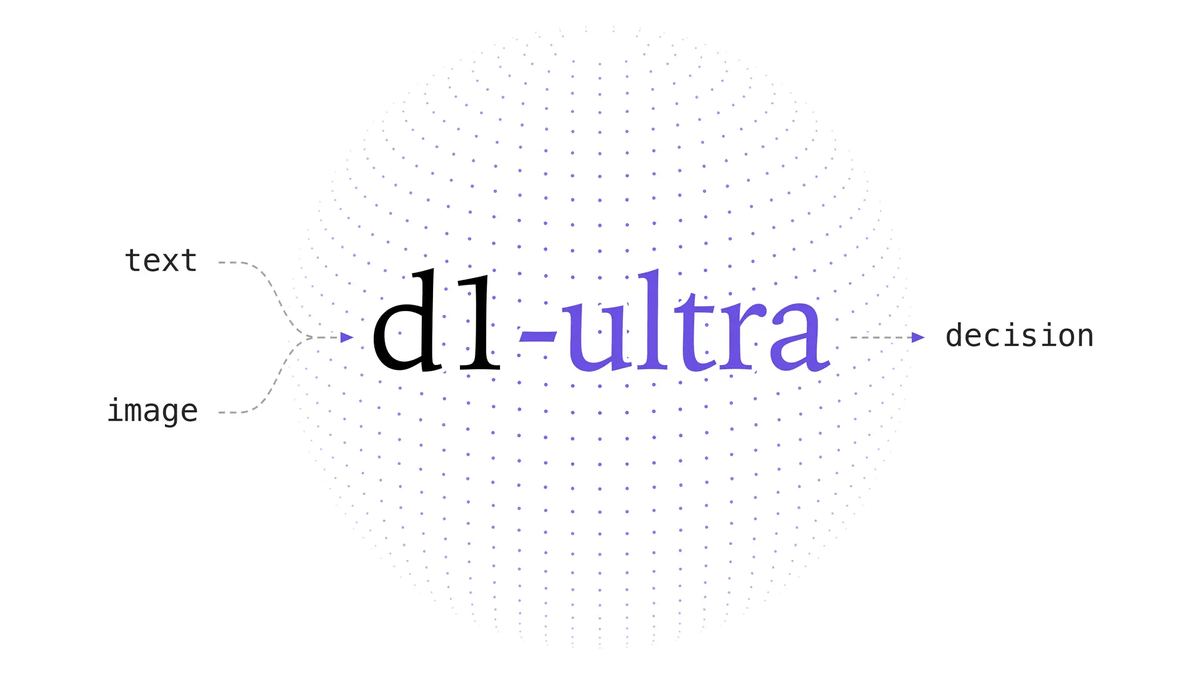
Liquid AI released d1-ultra on October 15, 2026, an upgraded open-weights decision model that averaged 76.7 ac…
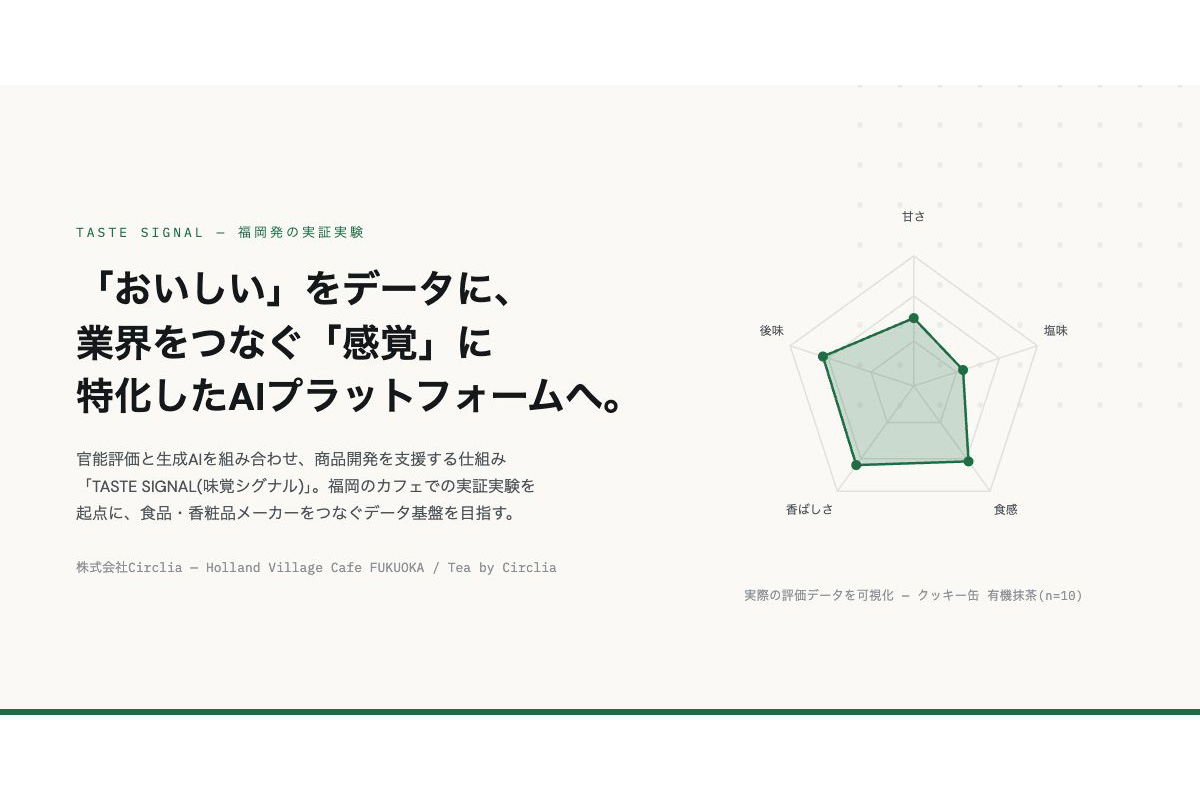
Circlia started a proof-of-concept for TASTE SIGNAL: visitors to Holland Village Cafe FUKUOKA taste cookies an…
In a webinar hosted by French Mathematical Society president Isabelle Gallagher, Fields Medal winner Hugo Dumi…

