What happened
A solo entrant finished 67th of 6,299 teams in Kaggle's RSNA Knee Abnormality Detection contest, scoring a Private LB macro AUC of 0.949 against the 0.954 gold-medal line.
Why it matters
The approach shows that in medical-imaging contests where expert labels are scarce, having an LLM predict the radiologist's judgment from report text can be a more effective labeling strategy than transcribing the report itself.
Summaries like this, every morning.
The contest's central difficulty was that only 58 of 4,407 training studies carried labels assigned by expert radiologists who read the images. The remaining studies came with radiology report text alone, and those reports follow different criteria from the expert labels used for scoring. Early in the competition, the entrant measured that simply transcribing report statements into labels misclassified about a quarter of the truly positive cases, which pointed to label quality as the main lever for improving the image model.
The solution's key move was to stop asking the LLM what the report said and instead ask it to predict what a panel of radiologists would decide from the images. This reframing raised the label's macro AUC on the 58 expert-labeled studies to 0.9017, compared with 0.8816 for the previous best label set. The final image model, trained only on images, never sees reports at test time, but the quality of its report-derived training labels shaped its performance.
The gap to the top teams appears to lie in what the LLM was given to read. The top three teams had LLMs read both reports and MRI images to build labels, while this solution used reports only. The entrant's own brief test of having an LLM read images was cut short after fewer than 20 minutes on 58 studies, a decision that in hindsight may have cost the top placements.
Pick your industry and the AI tools you use, and get news related to your work every day.
Free · 30 seconds with Google · unsubscribe anytimeWhat is AIToday? →
Ask AI anything about this article. The AI reads this article, earlier AIToday articles, and Wikipedia, and cites its sources. Q&As are published on this page for other readers too.
Bay AI Inc. launched with $50 million — a $37 million Series A led by Battery Ventures and a $13 million seed…

Kora Systems, led by Cyanogen co-founder Kirt McMaster, unveiled a Linux-based desktop OS that runs AI models…

IPROS announced five free 20-minute sessions at AI-Industry World 2026, covering Microsoft 365 Copilot, busine…

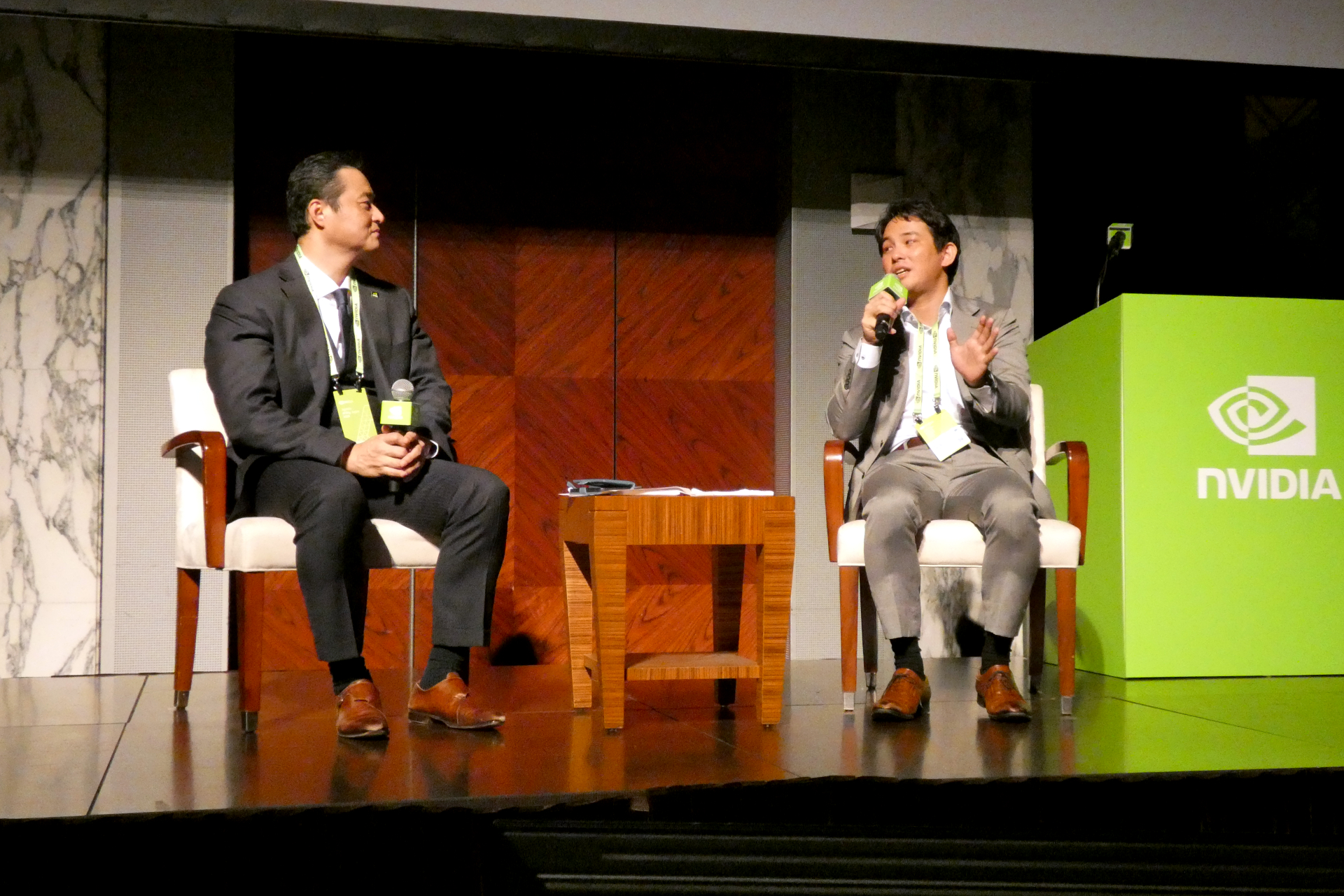
At NVIDIA's Agentic AI Day Japan 2026 on Nov 10 in Tokyo, JAIST's Shota Imai predicted competitive areas will…
Devon Thomas quit Apple and founded Abliteration AI, which removes safeguards from open-weight models like Z.a…
On November 10, OpenAI Academy and partners including Caregiver Action Network and Alzheimer's Association wil…