What happened
The blogger ordered a used Fujitsu LIFEBOOK U938 for 15,800円 but received a U939 with a Core i5-8365U, 8GB RAM, and no memory upgrade slot, then installed Ubuntu MATE 24.04 LTS and ran five AI coding agents in parallel.
Why it matters
Most heavy AI computation happens on cloud GPUs, so a seven-year-old laptop with a newer instruction set can handle everyday AI-assisted development without the latest CPU or tens of gigabytes of RAM, though local-only or heavy Docker work may still need more memory.
Summaries like this, every morning.
The blogger's earlier project revived a 2010 MacBook Air 11-inch Late 2010 as a CUI-only AI coding terminal running Ubuntu Server, kmscon, uim-fep, Mozc, and tmux. That experiment showed that cloud-based AI inference let even 2GB of RAM work, but also exposed limits: the lack of a GUI terminal scrollback and clipboard, and failures of some agent executables on the old CPU. Those lessons led to a clear shopping list — a relatively recent instruction set, about 8GB of memory, an SSD, smooth Linux support, a usable GUI terminal, light weight, and low price.
The opportunity came with a used Fujitsu LIFEBOOK U938 listed at 15,800 yen, advertised as not supporting the latest Windows Update because of its 7th-generation Core i5-7300U. The blogger planned to install Linux anyway. After Ubuntu MATE 24.04 LTS was installed, the machine ran smoothly, and the blogger ordered a 5,000 yen replacement battery, bringing the total to 20,000 yen.
When the blogger had an AI agent inspect the hardware, the report showed a Core i5-8365U — a 8th-generation, 4-core/8-thread chip — and the chassis label read LIFEBOOK U939. The ordered U938 had a 7th-generation 2-core/4-thread CPU and an upgradeable memory slot (officially up to 12GB), while the U939 has a stronger CPU but soldered 8GB memory. For the stated purpose of running AI coding agents comfortably, the blogger concluded the mix-up was a lucky break, despite the hassle.
Pick your industry and the AI tools you use, and get news related to your work every day.
Free · 30 seconds with Google · unsubscribe anytimeWhat is AIToday? →
Ask AI anything about this article. The AI reads this article, earlier AIToday articles, and Wikipedia, and cites its sources. Q&As are published on this page for other readers too.
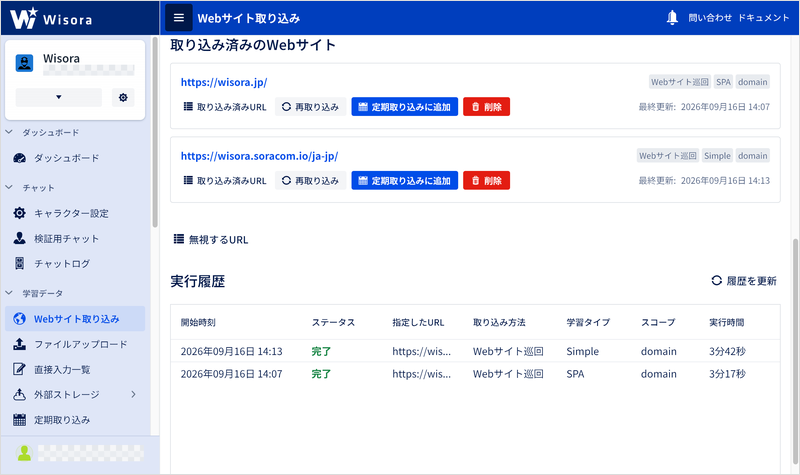
SORACOM's Makoto Yazaki trained Wisora on its own service and documentation pages, then asked how to register…
A solo entrant finished 67th of 6,299 teams in Kaggle's RSNA Knee Abnormality Detection contest, scoring a Pri…

From late October, the developer sent bounded implementation and research tasks through OpenCode's HTTP API to…
A Zenn post lays out five steps for rewriting AI-generated technical drafts, starting by pasting terminal logs…
Shane Melaugh analyzed about 1,400 Claude Code sessions with Gemini 4 Argon and found the share of sentences s…

OpenAI published lessons from its EMEA education partnerships in Estonia, Slovakia, Greece and Italy, citing T…