
What happened
Anthropic took its Claude Fable 5 and Mythos 5 AI models offline following a U.S. government export-control directive barring foreign nationals from accessing them. The Trump administration believes Fable 5's safety guardrails can be disabled to unlock Mythos 5's full capabilities—which include advanced abilities to find and exploit software vulnerabilities—creating a national security risk. The company has been in talks with the White House since Friday but has not yet secured an agreement to reinstate the services.
Why it matters
Experts argue this regulatory action is likely delaying rather than solving the underlying problem. Anthropic itself has warned since April that these dual-use capabilities (useful for cybersecurity professionals but dangerous in malicious hands) will become broadly available across multiple companies and open-source developers within 6, 12, or 24 months. OpenAI, for example, already conducted a private release of a cybersecurity-focused model in mid-April. One security researcher notes that even existing AI models, with refined techniques, could be used for advanced vulnerability-hunting—meaning the export restriction may not meaningfully reduce the actual risk.
What to watch
Experts stress the policy challenge is not whether a technology has risk, but whether a specific restriction meaningfully reduces that risk or mainly slows down the people trying to make systems safer. Governments need to develop much broader and more transparent plans for how to contend with advances in AI capabilities in cybersecurity and other sensitive areas as they inevitably occur.
Summaries like this, in your inbox every morning.
Pick your industry and the AI tools you use, and get news related to your work every day.
Free · 30 seconds with Google · unsubscribe anytimeWhat is AIToday? →
Ask AI anything about this article. The AI reads this article, earlier AIToday articles, and Wikipedia, and cites its sources. Q&As are published on this page for other readers too.
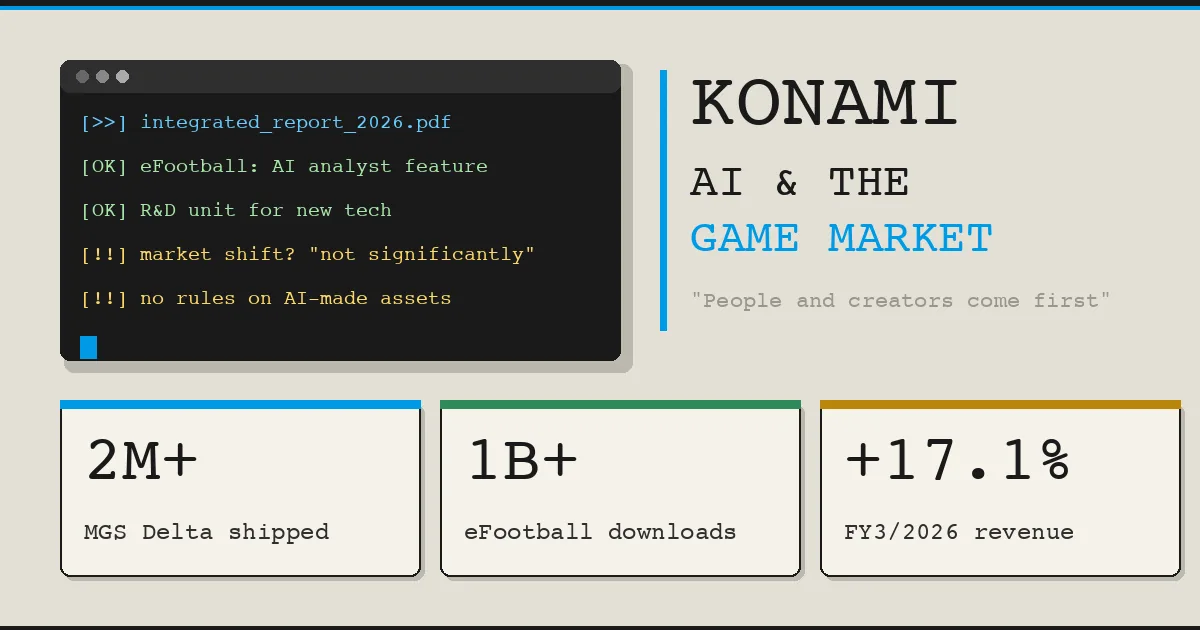
In the Integrated Report 2026, Konami digital chief Hideki Hayakawa said AI will not greatly change the game m…
Exa Enterprise AI began offering Claude Haiku 5.5 on its ExaBase AI corporate service, following Anthropic's r…

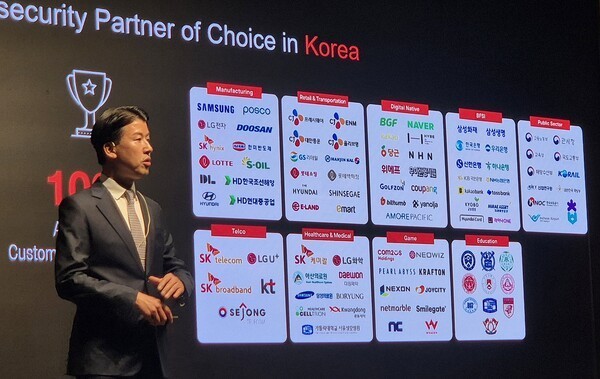
Palo Alto Networks called for organizations to overhaul how they secure AI and to remove VPNs, THE ELEC report…
A McDonald's customer in Chicago filed a class action claiming the chain uses AI to set menu prices, citing a…

Stocktwits reports that AI power demand is fueling nuclear deals while the NextEra-Dominion merger faces scrut…

Danaher announced a collaboration with NVIDIA to combine its instruments, automation and workflow software wit…