What happened
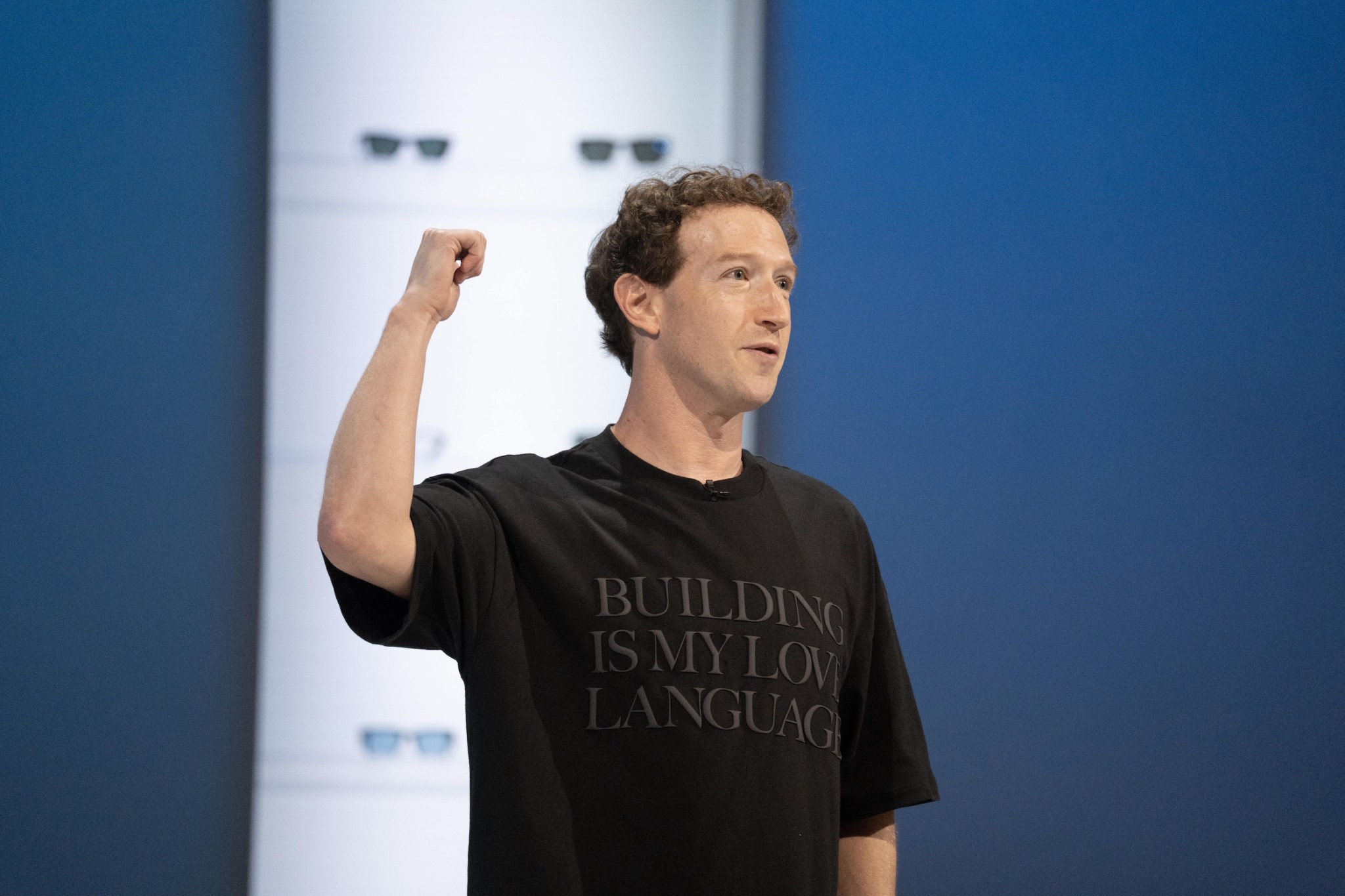
Meta released Muse Wonder, the first frontier-class model from Alexandr Wang's superintelligence lab, on Oct. 12 — the same day Zuckerberg discussed a buildout he pegged at as much as $200 billion.
Why it matters
Zuckerberg said the full-stack approach — building its own data centers, chips and low-level infrastructure — is about being able to build the best products, not owning a platform for its own sake.
WHO IT HITSMeta's AI infrastructure and product teams now need to turn the Muse Wonder launch into working agent experiences, while advertisers and commerce partners may see a shift in how Meta's ad system is used.
Summaries like this, in your inbox every morning.
Zuckerberg's $200 billion commitment comes before there were proof points, as Wang put it — a decision made "long before there's proof points around whether or not even the thing is working." That framing helps explain why Meta is building a full stack rather than renting one: Zuckerberg has said his formative experience was building services constrained by what Apple would allow on its platforms. The 2021 App Tracking Transparency change, which Meta later said would cost it about $10 billion in 2022 alone, is the clearest example of how platform rules can hit the business.
The economics are unusual because Meta has no cloud business like Amazon, Microsoft or Google to spread the cost. Zuckerberg said a one-gigawatt AI data center costs $50 billion to $60 billion to build and roughly $15 billion a year to operate, and Meta's Hyperion campus in Louisiana is designed to scale to five gigawatts. He has since confirmed plans to sell AI computing power, framing the compute as a hedge: for the bet not to work out, he said, "it's not just that we have to fail, AI overall has to fail."
The launch also points toward agentic commerce, where Meta's Muse agent acts for users — Zuckerberg now uses Instacart once or twice a week after setting up an account specifically for Muse. Advertising made up about 98% of Meta's revenue last quarter, a figure that adds context for why a shopping agent could be double-edged. Bank of America analyst Justin Post wrote that Meta is "back on offense with AI" and named rising AI spending, not agents, as the top risk.
Pick your industry and the AI tools you use, and get news related to your work every day.
Free · 30 seconds with Google · unsubscribe anytimeWhat is AIToday? →
Ask AI anything about this article. The AI reads this article, earlier AIToday articles, and Wikipedia, and cites its sources. Q&As are published on this page for other readers too.
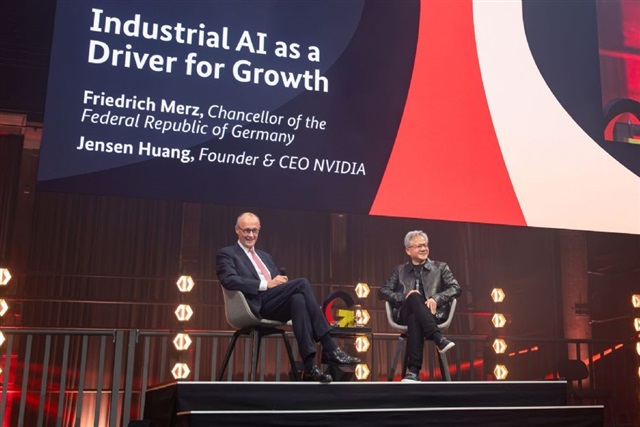
At a Berlin industry summit on October 19, Nvidia CEO Jensen Huang and German Chancellor Friedrich Merz urged…
The Digital Agency began rolling out Agent Chat to ministries on October 20 and aims to deploy Genai Kobo, whi…

Bank of America analysts led by Christopher Nardone argued Monday that Walmart is well positioned for agent-le…

Bloom Energy reported strong demand for its solid oxide fuel cells from AI and cloud data centers, backed by l…

Karakuri and Highlanders announced on October 20 a joint "AI Street Performer" project where the humanoid "N"…

Physical Intelligence opened a Pi API beta on October 13 that lets companies upload robot data, fine-tune on P…