What happened
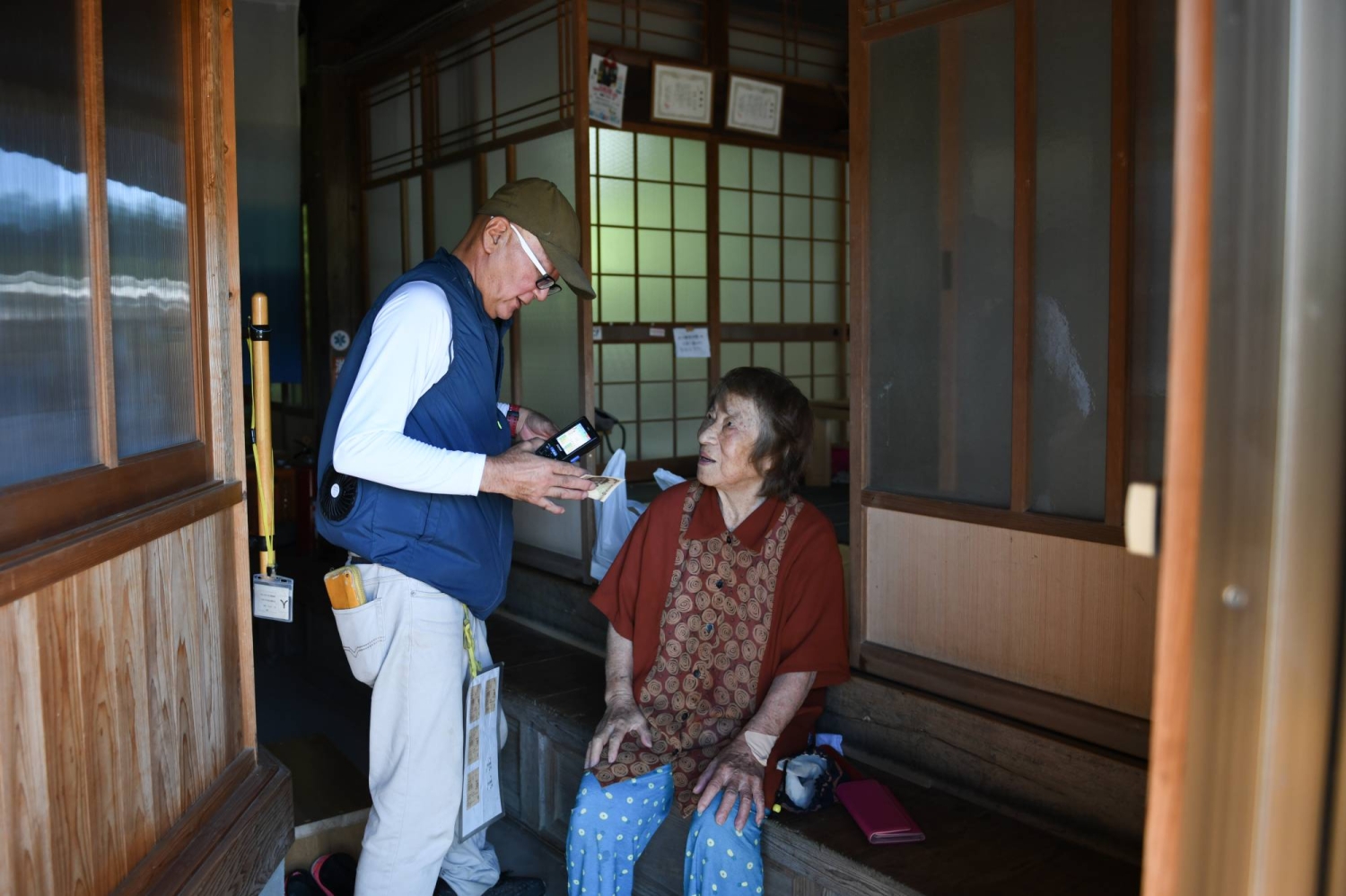
Japan's Environment Ministry launched a pilot project in June with about 70 participants age 65 and older to test three AI and sensor systems designed to prevent heatstroke — one that estimates core body temperature via smartwatch, one that alerts family members when indoor temperatures rise, and one that automatically activates air conditioners. The trial is expected to continue through September.
Why it matters
Elderly people accounted for about 85% of heatstroke fatalities in 2024, with most deaths occurring at home. Many older adults have reduced ability to sense heat and thirst, and family members may recognize warning signs too late. The ministry is responding to rising numbers of elderly living alone and caregiver shortages by testing whether technology can encourage preventive action like turning on air conditioners.
What to watch
If the systems prove effective, the ministry plans to provide support for their adoption from the next fiscal year beginning in April 2027. The trial will measure malfunction frequency, error rates in air conditioner use, and whether technology reduces psychological resistance to air conditioning among older people.
Summaries like this, in your inbox every morning.
Heatstroke among Japan's elderly population has become a critical public health issue. In 2024, elderly people accounted for about 85% of heatstroke fatalities, with the majority occurring indoors — a setting where intervention should theoretically be possible. The root causes are physiological and behavioral: many older adults experience reduced ability to sense heat and thirst, meaning they may not recognize danger signals in real time. Compounding this, family members and caregivers often recognize warning signs too late. Japan's demographic reality — rising numbers of elderly living alone and worsening shortages of caregivers — has narrowed the safety net that once surrounded vulnerable seniors.
The Environment Ministry's approach targets this gap by automating detection and response. The three-part system uses commercially available medical device products to shift responsibility from individual awareness (which fails) to technology that acts on the person's behalf. A smartwatch monitors core body temperature, an app alerts family members, and an air conditioner activates automatically — each step removes a point of human failure. The ministry is also measuring a less visible but critical barrier: psychological resistance to air conditioning among elderly people. This suggests the technology's success depends not only on technical reliability but also on whether it can overcome cultural or habitual reluctance to use cooling systems.
Pick your industry and the AI tools you use, and get news related to your work every day.
Free · 30 seconds with Google · unsubscribe anytimeWhat is AIToday? →
Ask AI anything about this article. The AI reads this article, earlier AIToday articles, and Wikipedia, and cites its sources. Q&As are published on this page for other readers too.
OpenAI introduced the Rosalind Academic Plan, giving eligible academic labs at U.S

Santen Pharmaceutical's R&D division reached a 93% weekly usage rate for generative AI, applying it to study p…
Snowflake published a post on agentic AI across oncology's five stages, citing AstraZeneca cutting data produc…

A solo developer built Yurune, a web app that plays synthesized rain, wave and forest sounds and lets users ta…

Pharmaceutical Executive will host a November 4, 2026 webcast introducing the RAIL Score, a framework for eval…

Reuters reports that the pharma sector is doubling down on AI as a way to cut costs and timelines