
What happened
Opposable launched an AI agent that operates Android phones via accessibility services and iPhones through a companion computer, using the GUI-Owl 1.5 2B vision-language model. Its demos show a dark-mode-and-timer task taking 50 seconds and 17 tool calls, and an Apollo 11 lookup costing $0.44.
Why it matters
Opposable's own showcase suggests the tool can be slower and pricier than simply using the phone by hand, and the company warns that whoever holds the access token can operate the device, so it should be treated like a password.
WHO IT HITSThis lands on Android users curious enough to sideload an agent that reads their screen, and on anyone evaluating whether AI phone control is ready for everyday chores. The company's security warning about the access token puts the burden on early adopters to guard it like a password.
Summaries like this, in your inbox every morning.
Opposable's launch is a test of whether AI agents that operate phones can move from demo to daily use. The product relies on accessibility services on Android and a companion computer for iPhones, with a vision-language model interpreting screenshots to decide where to tap. The company's own examples set expectations: a simple theme change and timer took 50 seconds and 17 tool calls, and a factual lookup cost $0.44, which the company presented as showcase material. On tasks the model had not been tuned on, success was inconsistent, and even step-by-step babysitting left some failures. The security model is another open question, since the token that lets an agent operate the phone is described as password-equivalent. Opposable's website frames the tool as a way to hand off phone chores, but the company's own warnings and demos leave the case for using it over human hands unsettled.
Pick your industry and the AI tools you use, and get news related to your work every day.
Free · 30 seconds with Google · unsubscribe anytimeWhat is AIToday? →
Ask AI anything about this article. The AI reads this article, earlier AIToday articles, and Wikipedia, and cites its sources. Q&As are published on this page for other readers too.
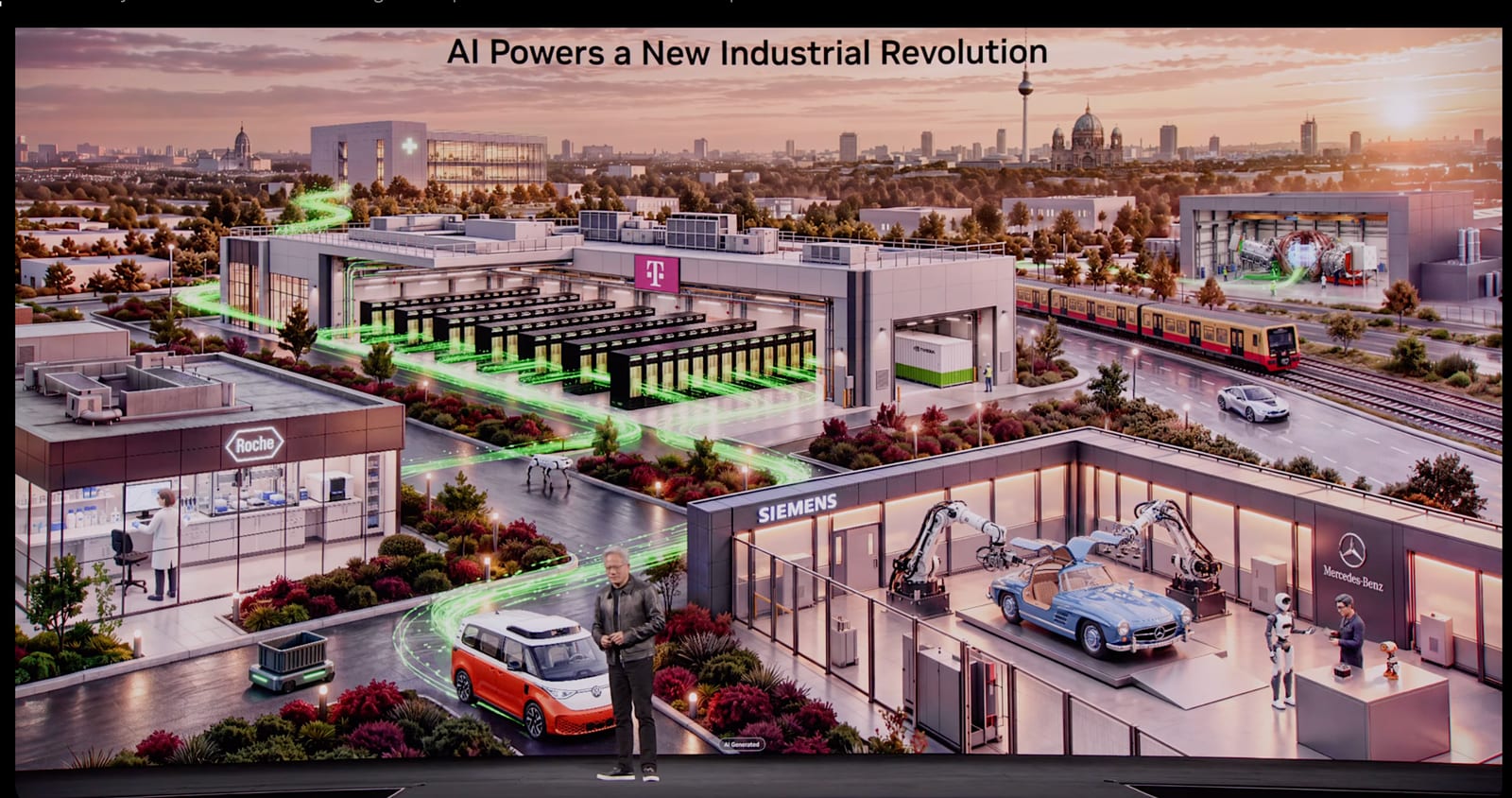
At GTC Berlin, Jensen Huang introduced DSX POD — seven Vera Rubin NVL72 racks per container — and said deploym…
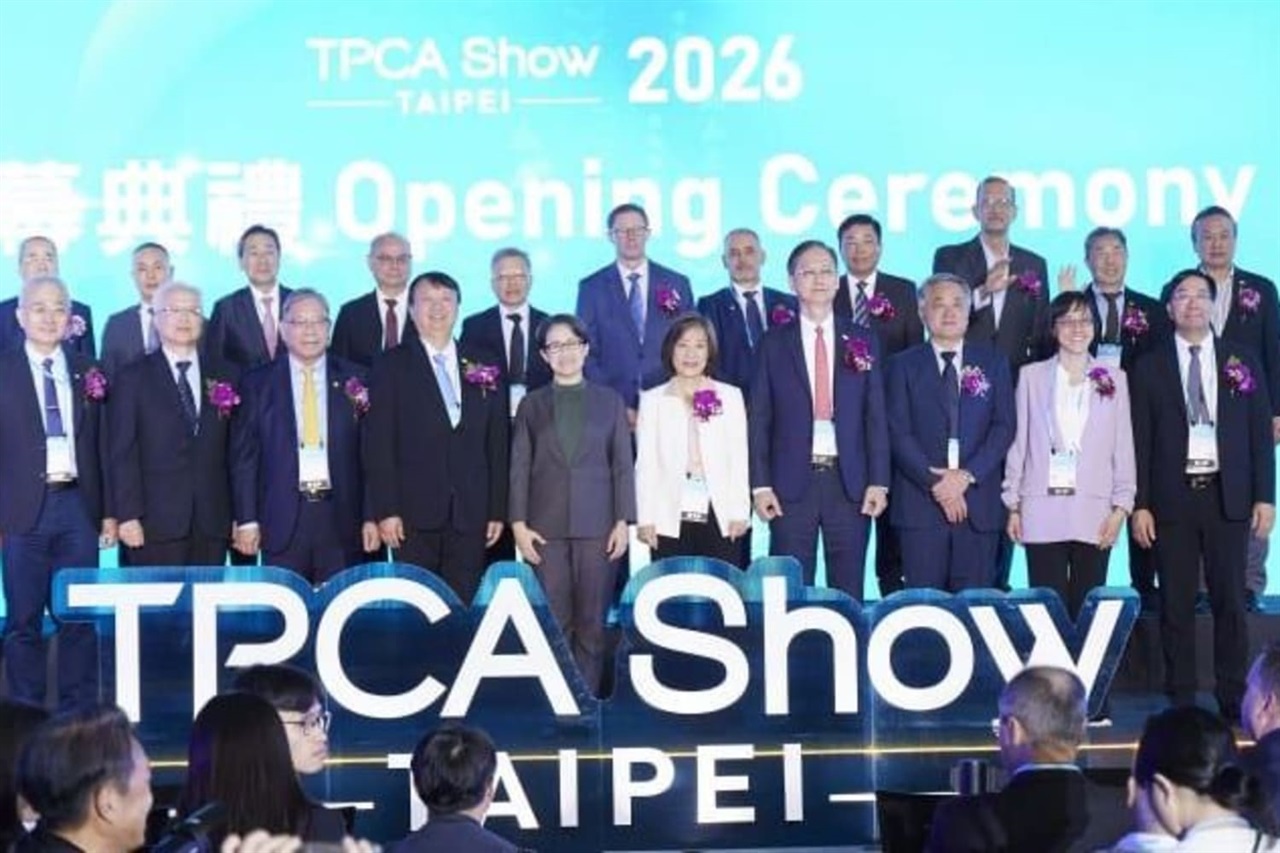
AI and high-performance computing are pushing PCBs toward higher layer counts and denser, higher-performance m…

Vice President Hsiao Bi-khim opened the 27th TPCA Show 2026 in Nangang on October 20 and urged the PCB industr…
Vertiv and NVIDIA launched an AI factory framework at NVIDIA GTC Berlin, targeting up to 30% higher cumulative…

On Meta's third quarter earnings call, CEO Mark Zuckerberg said the company has a goal of serving billions of…
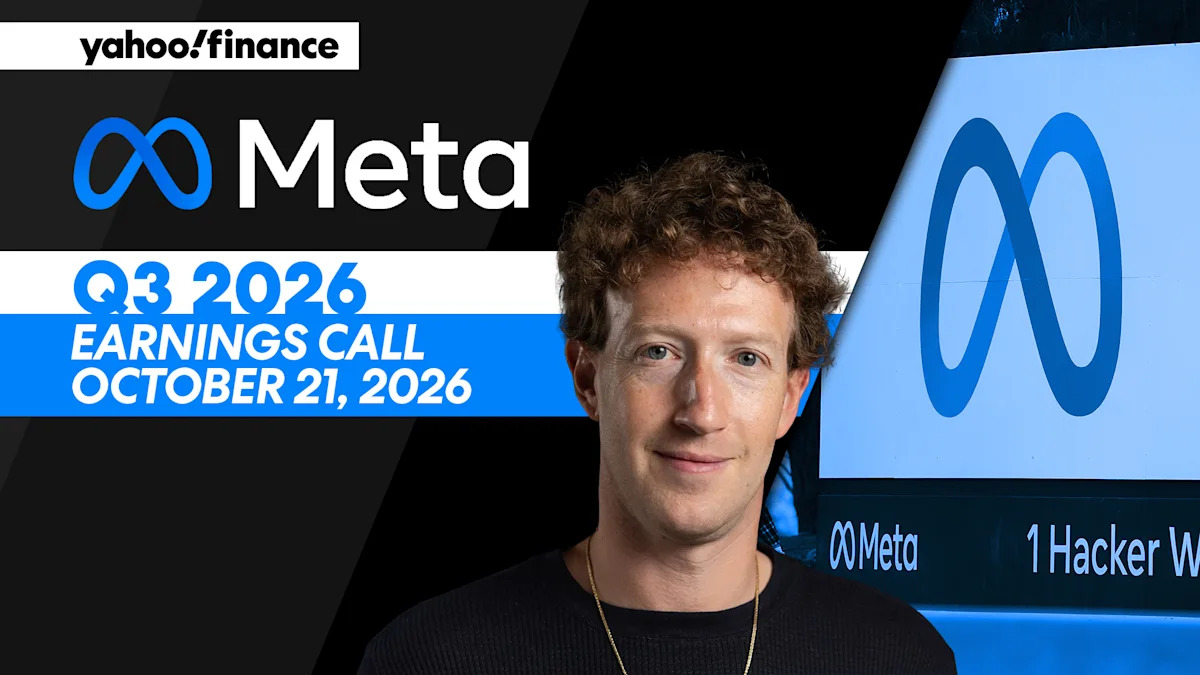
Meta plans new non-voting stock, people familiar said, possibly announced as soon as Wednesday when it reports…